5 Star Hotel Wedding Venue: What the Stars Don’t Tell You
-
myfrancewedding.com
- Destination WeddingsFranceWedding VenuesWeddings
- 12

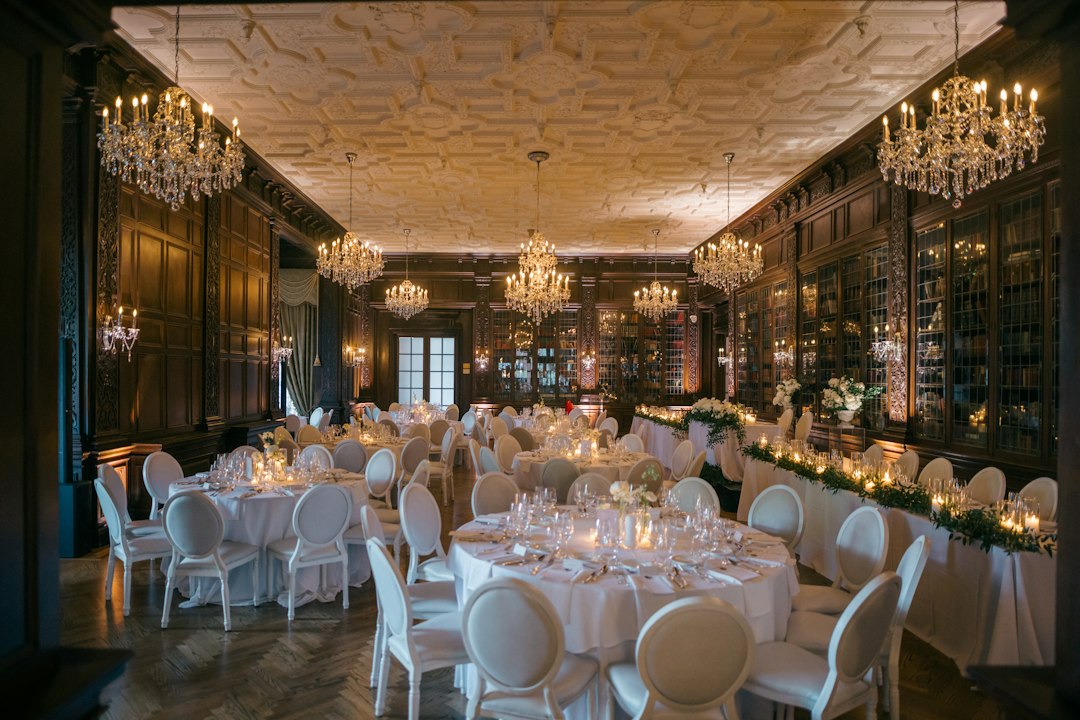
Picture the lobby of Le Bristol Paris at six in the evening: marble underfoot, a floral arrangement the size of a small tree, a concierge who remembers your name from a phone call three months ago. Now picture your wedding reception in a paneled salon where 80 guests are seated for dinner beneath crystal chandeliers. The room is exquisite. The question is whether the service behind the door matches the room in front of it. A 5 star hotel wedding venue earns its premium not through the lobby or the chandeliers but through the infrastructure most couples never see: the size of the kitchen brigade, the depth of the sommelier team, the contingency protocols for when the Mistral collapses your outdoor ceremony setup at 4 PM. This is what separates a hotel that photographs well from one that performs flawlessly, and it is the gap this guide is built to close.
Beyond the Stars: What a 5 Star Hotel Wedding Venue Rating Measures
France’s hotel classification system, administered by Atout France, evaluates properties across four categories: equipment quality, customer service quality, environmental practices, and accessibility for guests with disabilities. The classification is voluntary, renewed every five years, and awarded through a point system that weights physical infrastructure heavily. A hotel earns five stars by meeting thresholds for room size, 24-hour reception (mandatory for properties with 30 or more rooms), spa facilities, multilingual staff, and an extensive checklist of equipment criteria. What the classification does not evaluate is the hotel’s ability to execute a wedding.
The star rating measures the hotel’s capacity to serve individual guests checking into individual rooms. It does not measure kitchen brigade depth for a 120-plate synchronized dinner service. It does not assess whether the hotel’s events team has a dedicated wedding coordinator or a rotating events manager who also handles corporate conferences. It does not test the sommelier’s ability to build a pairing flight for a six-course tasting menu. The star rating is a floor, not a ceiling, and treating it as a guarantee of wedding-day excellence is the most expensive assumption a couple can make.
Above the five-star classification sits the Distinction Palace, created in 2010 by the French government to identify a sub-tier of exceptional five-star properties. As of June 2026, 33 hotels in France hold the Palace distinction, renewed every three years following a 2024 reform that shortened the renewal cycle from five years to maintain consistent standards. The Palace criteria go well beyond the five-star checklist. Eligible properties must have minimum room sizes of 26 square meters, a minimum ratio of suites (approximately 20 percent of total rooms), a spa, valet service, and, critically for our purposes, a measurable staffing benchmark: an annual average of at least 2.5 staff members per key for Paris properties and 1.8 for non-Paris properties. This staff-to-key ratio is the closest thing the French system offers to a quantitative measure of service depth, and it is the metric that most directly affects what your wedding experience will feel like.
What does this mean in practice? A Paris Palace hotel with 120 keys and a 2.5 ratio maintains roughly 300 full-time equivalent staff. A five-star hotel with the same key count and no Palace distinction may operate with half that number and rely on seasonal or agency staff for peak periods, including wedding season. The difference shows up in the details that make a wedding feel effortless versus managed: the banquet waiter who has worked with your chef for three years and knows the timing of the sauce pass, versus the agency temp who started at 4 PM and is learning the room layout as your guests arrive.
The distinction also matters regionally. Paris counts 13 Palace hotels, including Le Bristol, the Four Seasons Hotel George V, Hôtel de Crillon, Cheval Blanc Paris, and the Shangri-La. The Côte d’Azur holds nine, from the Grand-Hôtel du Cap-Ferrat (a Four Seasons property in Saint-Jean-Cap-Ferrat) to Hôtel du Cap-Eden-Roc in Antibes and Cheval Blanc Saint-Tropez. In the countryside, properties like Les Prés d’Eugénie in Eugénie-Les-Bains and Villa La Coste near Aix-en-Provence carry the distinction. Relais & Châteaux properties, by contrast, operate under an international association standard rather than a government classification, evaluated on what the association calls the five Cs: Character, Charm, Calm, Courtesy, and Cuisine. These are subjective, qualitative criteria, not the quantified staffing ratios and equipment thresholds of the Atout France system. Both systems can identify extraordinary properties, but neither was designed to measure wedding execution specifically.
Service Infrastructure: Staffing, Sommeliers, and Wedding Specialists
The service infrastructure of a five-star hotel determines whether your wedding feels produced or merely hosted. Lobby aesthetics, room thread counts, and Michelin stars in the restaurant tell you about the hotel’s general positioning. They tell you nothing about how the property performs when 120 guests need to move from a garden ceremony to a cocktail reception while the dinner room is reset, when a guest’s dietary restriction surfaces at the table, or when the photographer needs 20 minutes of coordinated access to a rooftop terrace during golden hour. These moments are won or lost in the back of house.
The Dedicated Wedding Coordinator vs. Hotel Events Manager
The difference between a dedicated wedding coordinator and a hotel events manager is the difference between a professional whose entire portfolio is weddings and a professional who handles weddings alongside product launches, shareholder meetings, and bar mitzvahs. Both can be competent. Only the first one thinks in wedding time.
A dedicated wedding coordinator at a Palace-grade property typically manages six to twelve weddings per year. They know the rhythm: the ceremony timing, the cocktail-hour pivot, the dinner service cadence, the moment the bride needs five minutes alone before the first dance. They have established relationships with the preferred florists, photographers, and DJs who work at the property, which means fewer coordination failures on the day. They understand lighting transitions, sound restrictions, and the specific sightlines of each reception room from a photographer’s perspective.
A hotel events manager handling weddings as one category among many may be perfectly professional, but their default frame of reference is event logistics, not wedding emotion. They may not flag the fact that the corridor between the ceremony garden and the cocktail terrace passes the service entrance, where catering staff will be loading dinner platters as your guests walk through. They may not think to schedule a private moment for the couple between the ceremony and the reception because their event template does not include one. The questions to ask: how many weddings does this person handle per year, will they be on-site for the full wedding day, and can you meet them before signing.
Kitchen Brigade: The Engine You Never See
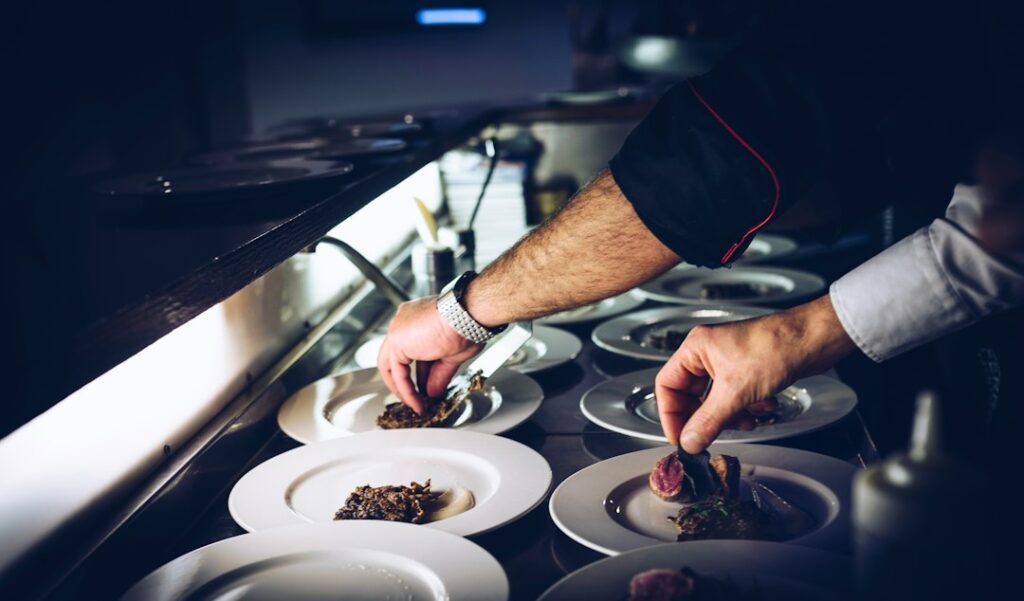
The kitchen brigade is the single most underevaluated element of a hotel wedding venue. A beautiful reception room with a underpowered kitchen produces a beautiful room with cold food. The question is not whether the hotel’s restaurant has a Michelin star. The question is whether the kitchen brigade can execute a 120-plate dinner service at a consistent temperature with synchronized plating, while simultaneously producing a separate menu for the children’s table, a vegetarian tasting menu for eight guests, and a late-night snack service for 40.
At a Palace-grade hotel like the Four Seasons George V, the kitchen operates with a full brigade structure: executive chef, chef de cuisine, sous chefs, chef de parties, and commis, plus dedicated pastry and bread teams. The hotel’s three-Michelin-star restaurant shares infrastructure with the banquet kitchen, meaning the same standards of ingredient sourcing and technique extend to event service. At a five-star hotel without a Palace distinction, the banquet kitchen may be a separate operation with a smaller team, lower-grade equipment, and a chef whose primary experience is volume catering rather than fine dining.
What to watch for: ask the venue whether the banquet kitchen is the same kitchen as the hotel’s restaurant, or a separate operation. Ask how many chefs will be on the line for your dinner service specifically, not the hotel’s total kitchen headcount. A property that quotes “a team of 15 chefs” may be counting the breakfast prep team, the room service cook, and the pastry chef who leaves at 4 PM. The number you need is how many pairs of hands will be plating your guests’ main courses at 9:30 PM.
Sommelier Depth and Cellar Access
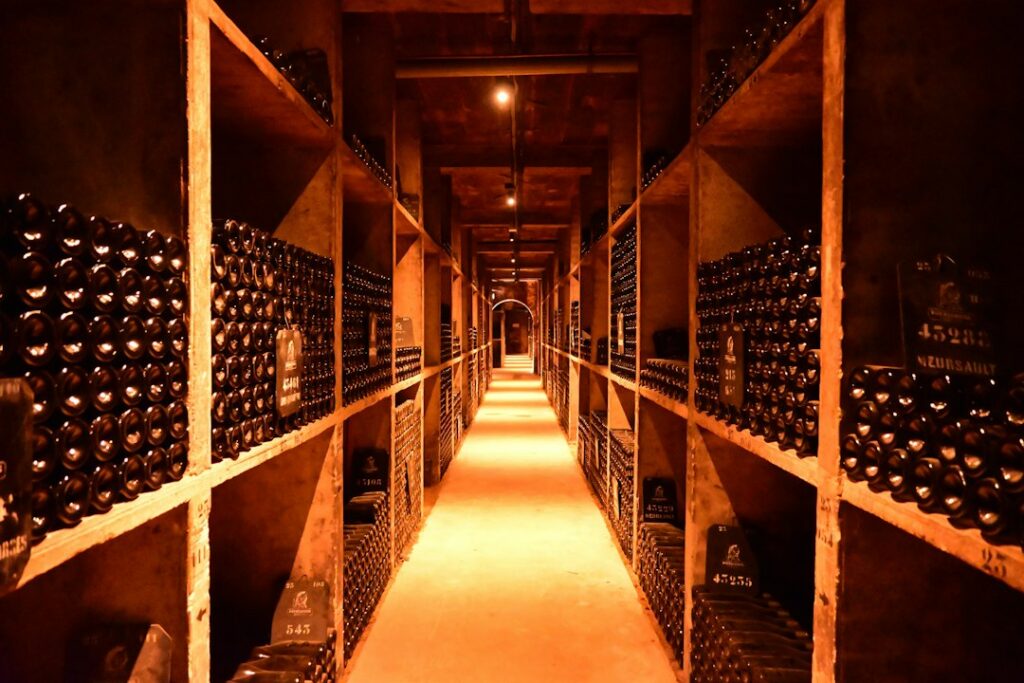
A hotel with a Michelin-starred restaurant may have a head sommelier with an extraordinary cellar. That does not mean the head sommelier will be present at your wedding, or that the cellar’s depth is available for your event. At many five-star hotels, the wedding wine list is a curated subset of the main cellar, managed by a junior sommelier or banquet manager rather than the head of wine. The difference matters: a head sommelier can build a pairing that matches your menu course by course, source a specific vintage of Châteauneuf-du-Pape for your toast, and adjust on the night when the sommelier notices that the lamb course is running richer than expected. A banquet manager working from a pre-selected list cannot.
At Riviera properties like Hôtel du Cap-Eden-Roc or the Grand-Hôtel du Cap-Ferrat, the wine programs are genuinely deep, with cellars built over decades and head sommeliers who hold advanced certifications. The question is whether that depth is included in your wedding package or available only at a premium that the initial quote does not reflect. Ask specifically: will the head sommelier be present for the wedding dinner, what is the wine list for events compared to the restaurant list, and is there a surcharge for accessing the reserve cellar.
Contingency Protocols: What Happens When Things Go Wrong
The most revealing question you can ask a hotel wedding venue is not about what happens when everything goes right. It is about what happens when something goes wrong. The answer tells you whether you are dealing with an operation that has run hundreds of events or one that has run a few dozen.
Contingency protocols cover the scenarios that every wedding planner has lived through: the outdoor ceremony that gets rained out 20 minutes before start time, the power failure that kills the sound system during the first dance, the guest who has a severe allergic reaction during dinner, the transport breakdown that delays 40 guests by 90 minutes. A Palace-grade hotel with deep staffing has protocols for each of these. The ballroom is already set as a backup for the garden ceremony. A generator is on standby for the sound system. The hotel’s medical protocol includes a duty doctor on call. The transport desk has a backup shuttle provider on retainer.
A five-star hotel without that depth will improvise. Improvisation at a wedding is not a disaster, but it is the difference between a guest never noticing that the ceremony was moved indoors and a guest watching staff scramble to relocate 120 chairs while the bride stands in the rain. Ask the venue to describe their backup plan for an outdoor ceremony, their power failure protocol, and their medical emergency procedure. If the answer is vague, the protocol is vague.
Exclusive Use vs. Hotel Weddings: The Real Tradeoffs
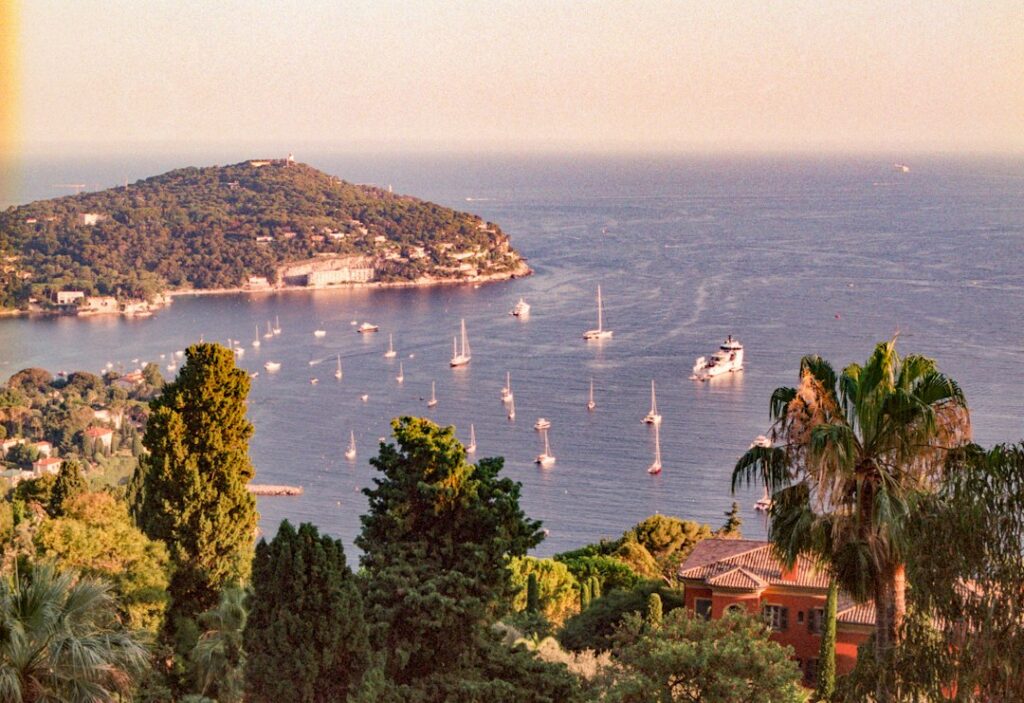
The phrase “exclusive use” at a hotel means something fundamentally different from “exclusive use” at a private estate, and the difference determines whether your wedding feels like a private celebration or a hotel function with a closed-off ballroom. At a hotel, even a full buyout rarely means the building is empty of other guests. It means your event has exclusive use of designated spaces, but the hotel may continue operating its restaurant, spa, and room service for overnight residents who are not part of your party. At a private estate, exclusive use means the entire property is yours and no one else is on the grounds. Both can be extraordinary. They are not the same experience, and the tradeoffs are real.
The accommodation gap is the structural difference that most couples underestimate. A Paris Palace hotel like the Plaza Athénée has 208 rooms, but your wedding guests pay room rates to stay there. A private estate like Château de Fonscolombe in Provence includes all 50 rooms in the buyout price, meaning your guests do not pay separately for accommodation and no one who is not part of your party is sleeping on the property. For couples weighing these models, our guide to exclusive wedding venues in France for total privacy profiles ten estates where the buyout is complete and non-negotiable.
The comparison below maps the structural tradeoffs across three venue models: a standard five-star hotel hosting your wedding as an event within an operating hotel, a Palace hotel where you buy out the full property, and a private estate where exclusive use is the operating model.
| Dimension | 5-Star Hotel (Event-Exclusive) | Palace Hotel (Full Buyout) | Private Estate (Full Buyout) |
|---|---|---|---|
| Privacy level | Private ballroom and terrace; shared building, lobby, and common areas | Entire hotel reserved for your party, but still a hotel environment | Complete estate, no strangers on the grounds |
| Catering model | Mandatory in-house, per-head pricing | Mandatory in-house, Michelin-calibre, premium per-head | Imposed, recommended, or dry-hire (varies by estate) |
| Staffing for weddings | Events manager plus banquet staff; depth varies | Dedicated wedding team, full kitchen brigade, head sommelier available | Site manager plus external caterer staff; depth depends on caterer |
| Accommodation | Guests pay hotel room rates (€500 to €1,500+ per night) | Guests pay premium room rates; full buyout may include rooms | All rooms included in buyout; guests do not pay separately |
| Curfew and noise | Strict: midnight to 2 AM in Paris and most urban areas | Strict: same urban noise restrictions apply | Varies widely: some estates allow music until 4 AM |
| Creative control | Limited: hotel style and in-house vendors | Limited to catering; florals and music typically external | High: many estates allow full vendor choice, no corkage |
| Contingency depth | Hotel protocols (backup rooms, generator, medical on call) | Deep: full hotel infrastructure on standby | Varies: depends on estate and caterer; some have minimal backup |
| Typical cost (80 guests, TTC) | €35,000 to €50,000+ (salon hire plus catering) | €80,000 to €200,000+ (full buyout plus catering) | €30,000 to €70,000+ (estate hire plus separate catering) |
| Best for | Turnkey urban celebration with zero logistics | Maximum service luxury with hotel-grade infrastructure | Privacy, creative control, and residential weekend |
What to watch for in the hotel column: the headline room hire figure at a Paris Palace hotel (€3,500 to €9,000 for a grand salon) is not the real cost. Mandatory in-house catering packages bring the total to €35,000 to €50,000 and beyond for 80 to 100 guests, and that figure climbs sharply with premium wine selections, multi-day programming, and the 20 percent VAT applied to room hire and alcoholic beverages. Because these are functioning hotels, your event shares the building with other guests, which means noise restrictions and time constraints apply. Most Paris venues enforce curfews from midnight to 2 AM. You are also locked into the hotel’s culinary vision, which may be extraordinary but is not yours to shape. For a deeper analysis of how luxury packages are structured across French venue types, our guide to luxury destination wedding packages in France breaks down the line items that transform a €40,000 venue hire into a €130,000 total.
What to watch for in the estate column: the tradeoff of full privacy is full responsibility. A dry-hire estate hands you the keys and leaves, which means you are building the wedding from the ground up: equipment rental, kitchen logistics, staffing, service, insurance, security, and contingency planning. The creative freedom is real, but it requires either an experienced wedding planner or a couple willing to project-manage 15 separate vendor contracts. The back-of-house contingency protocols that a Palace hotel provides as standard (backup power, medical on call, kitchen redundancy) are your responsibility at a dry-hire estate, and your caterer’s depth determines whether the dinner service feels like a restaurant or a catered event.
The per-guest concentration math reframes the decision. At a Paris Palace hotel, a per-head catering rate of €300 for 80 guests puts your food and beverage budget at €24,000. At a private estate with a dry-hire model, the same €24,000 for 40 guests is €600 per head, which puts you in the range of a bespoke tasting menu from a private chef with sommelier pairings sourced directly from surrounding vineyards. The hotel delivers consistent, produced excellence at scale. The estate delivers personalized, creative excellence at a smaller scale. Neither is objectively better. The right choice depends on your guest count, your creative ambitions, and whether you want the hotel to handle every logistical detail or whether you want to build the production yourself.
Questions to Ask During a Site Visit
A site visit to a five-star hotel wedding venue is not a tour of the property. It is an audit of the operation. The hotel will show you the beautiful rooms and the views. Your job is to look behind the doors they do not open. The questions below are designed to reveal operational depth that a brochure or a phone call will not surface. Ask them in writing and require written answers, because the specificity of the response tells you as much as the answer itself.
Staffing and Coordination
- How many weddings does the coordinator handle per year, and will they be on-site for the full wedding day from setup through teardown?
- What is the staff-to-guest ratio for a dinner service of our size? (Aim for one waiter per 10 to 12 guests for plated service; one per 15 is acceptable for a well-rehearsed brigade.)
- Is the banquet kitchen the same kitchen as the hotel’s restaurant, staffed by the same brigade, or a separate operation?
- Will the head sommelier be present for the wedding dinner, and is the full cellar available for our event or a curated event list?
Exclusivity and Privacy
- During our wedding, will any other events or hotel guests be in the building? If so, which areas will they share with us?
- Is the reception room we are viewing the specific room assigned to our dinner, and what is its designed seating capacity, not the hotel’s maximum?
- If the hotel offers “exclusive use,” does that mean all rooms are blocked for our party, or just that no other wedding is booked that day?
- What is the curfew for outdoor music, indoor music, and the end of the event? What is the overtime rate per hour?
Contingency and Logistics
- If our outdoor ceremony is rained out, what is the indoor backup, and is it included in the package or charged separately?
- What is the protocol for a power failure during the event? Is there a backup generator on-site?
- What is the hotel’s medical emergency protocol? Is a duty doctor on call?
- How many additional guests can the kitchen accommodate with 48 hours’ notice, and what is the per-head cost for last-minute additions?
Financial Transparency
- Is the quoted price HT (hors taxes, before VAT) or TTC (toutes taxes comprises, all taxes included)? Can all final figures be presented TTC?
- What is the VAT breakdown? (Venue hire and equipment rental carry 20 percent, catering and food service carry 10 percent, alcoholic beverages carry 20 percent, per French government guidance.)
- Does the per-head catering price include service staff, tableware, linens, and glassware, or is the service charge billed separately at 12 to 15 percent?
- Is there a corkage fee if we bring our own wine, and if so, what is it per bottle?
A hotel that answers these questions with specific numbers and named protocols is an operation that has been tested by events like yours. A hotel that answers with generalities (“we take care of everything,” “our team is very experienced”) is telling you that the protocols exist in the moment rather than in writing. The difference matters most at 10 PM on your wedding night, when the answer to “what happens if the power goes out” determines whether your guests notice or your guests panic.
If you are weighing a hotel wedding against a countryside estate or a Riviera château, our guides to what Riviera château photos hide and choosing your French wedding region map the tradeoffs across venue types and geographies. The right 5 star hotel wedding venue is not the one with the most stars or the most beautiful lobby. It is the one whose back-of-house capability, staffing depth, and contingency protocols match the scale and ambition of the celebration you are planning.
Your French love story is waiting to unfold.
Frequently Asked Questions
What is the difference between a 5-star hotel and a Palace hotel in France?
A Palace distinction is a separate French government classification created in 2010 by Atout France, awarded to exceptional 5-star hotels that meet additional criteria including minimum room sizes of 26 square meters, a suite ratio of approximately 20 percent, a spa, valet service, and a staff-to-key ratio of at least 2.5 for Paris properties and 1.8 for non-Paris properties. As of June 2026, 33 hotels in France hold the Palace distinction, renewed every three years. Not all 5-star hotels are Palaces, and the Palace staffing ratio is the metric most relevant to wedding service depth.
Can a 5 star hotel wedding venue offer true exclusive use?
It depends on the hotel. Most 5-star hotels offer event-exclusive use, meaning your reception spaces are private but the hotel continues operating for other guests. A full hotel buyout is possible at some Palace hotels but requires booking all rooms, which is expensive. True exclusive use, where no one outside your party is on the grounds, is more commonly found at private estates and châteaux that operate on a full-buyout-only model. Confirm with the venue whether ‘exclusive use’ means the building is closed to other guests or just that no other wedding is booked that day.
What staffing should I expect at a 5-star hotel wedding in France?
For a plated dinner service of 80 to 120 guests, expect a ratio of approximately one waiter per 10 to 12 guests from a brigade that has worked together consistently. Ask whether the banquet kitchen is the same kitchen as the hotel restaurant or a separate operation, whether the head sommelier will be present for the dinner, and how many chefs will be on the line during your service specifically. Palace hotels with a staff-to-key ratio of 2.5 or higher typically have the depth to support this; standard 5-star hotels may rely on seasonal or agency staff during peak wedding season.
How does VAT work for hotel wedding venues in France?
French VAT is not uniform across wedding costs. Venue hire and equipment rental carry 20 percent VAT, catering and food service carry 10 percent, and all alcoholic beverages carry 20 percent. A hotel quoting 25,000 euros HT for room hire becomes 30,000 euros TTC. A catering quote of 12,000 euros HT becomes 13,200 euros TTC at the food rate. Always confirm whether a quote is HT (hors taxes, before VAT) or TTC (toutes taxes comprises, all taxes included) before building your budget, and ask for all final figures presented TTC.
Is a Palace hotel or a private estate better for a French wedding?
A Palace hotel delivers produced, turnkey excellence with deep staffing, contingency protocols, and hotel-grade infrastructure, but with less creative control and strict noise curfews. A private estate offers complete privacy, creative freedom, and a residential weekend, but requires you to build the production yourself or hire a planner. The right choice depends on guest count, creative ambitions, and whether you want the hotel to handle logistics or want full control over every vendor and detail.