Wedding Locations France: 10 Regions to Match Your Vision
-
myfrancewedding.com
- ProvenceWedding VenuesWeddings
- 2

You know you want France. The stone, the light, the wine, the sense that a celebration here carries centuries of meaning beneath it. What you may not have expected is the paralysis that sets in once you start looking at a map. France is not one landscape but a dozen: Alpine chalets where glaciers catch the dawn, Mediterranean coves so turquoise they look retouched, Loire châteaux reflected in still water, Bordeaux vineyards rolling to the horizon, Basque coast cliffs pounded by Atlantic surf. The choice is not between good and bad options. It is between ten fundamentally different versions of a French wedding, each with its own climate, cost structure, guest experience, and emotional register.
Narrowing the field of wedding locations in France starts not with a venue but with a question: what kind of couple are you? The wine-obsessed pair who wants to pour estate-grown Bordeaux at dinner has no business comparing venues in the Alps. The romantic minimalist drawn to candlelit Parisian salons will feel out of place in a sprawling Provençal estate built for 200 guests. The lavender dreamer who has been pinning Provençal mas stone since the engagement will not find satisfaction in a Loire ballroom, no matter how gilded. Matching your vision to the right region before you start comparing individual venues saves months of research and prevents the most common mistake couples make: falling in love with a venue that is in the wrong part of France for who they are.
What follows is a region-by-region framework built around ten distinct couple personas. Each region gets a named anchor venue with real capacity figures, pricing, accommodation details, and the practical logistics that actually shape a destination wedding: nearest airport, catering model, minimum stay, and what sits outside the base hire. A comparison table lets you scan at a glance. Seasonal guidance helps you match your timeline to the right landscape. And if you are looking for a deeper dive into specific regions, our guides to Paris wedding venues, Provençal estate costs, and Corsican venues go further into each territory.
Region by Region: 10 Wedding Locations to Consider
Each region below is matched to a couple persona, anchored by one specific named venue with verified capacity, pricing, and logistics. The table provides a side-by-side overview; the H3 sections that follow add the narrative context and practical detail you need to decide whether a region belongs on your shortlist.
| Region | Best For | Anchor Venue | Seated Capacity | Venue Hire From | Nearest Airport |
|---|---|---|---|---|---|
| Paris | Romantic minimalist | Musée Rodin | 150 (gardens) | €12,000+ | CDG / Orly |
| Provence | Lavender dreamer | Château de Sannes | 220 | €30,000 TTC | Marseille (50 min) |
| Loire Valley | Castle traditionalist | Château de Jalesnes | 180 | €22,000 | Tours (45 min) |
| Bordeaux | Wine-obsessed pair | Château Gassies | 150 | €23,000 | Bordeaux (20 min) |
| Corsica | Seaside bohemian | Domaine de Murtoli | 150 | On request | Figari (30 min) |
| Biarritz | Atlantic free spirit | Hôtel du Palais | 180 | €200/person TTC | Biarritz (15 min) |
| Dordogne | Rustic romantic | Château du Raysse | 90 | €9,500 | Bergerac (30 min) |
| Burgundy | Gastronomy lover | Château de Varennes | 200 | €19,500 | Lyon / Paris TGV |
| French Riviera | Glamour seeker | Château de la Napoule | 450 | €13,800 TTC | Nice (30 min) |
| French Alps | Mountain adventurer | Cabane des Praz | 90 indoor | €10,000 TTC | Geneva (1h15) |
A note on the pricing figures: French venue quotes are frequently presented HT (hors taxes, before VAT), so the numbers you see on a venue’s website may not include the 20% VAT that applies to venue hire and equipment, or the 10% VAT that applies to catering and food service. Where we state TTC (toutes taxes comprises, VAT included), the figure reflects what you will actually pay. Where we state HT or do not specify, confirm with the venue before budgeting.
Paris: The Romantic Minimalist
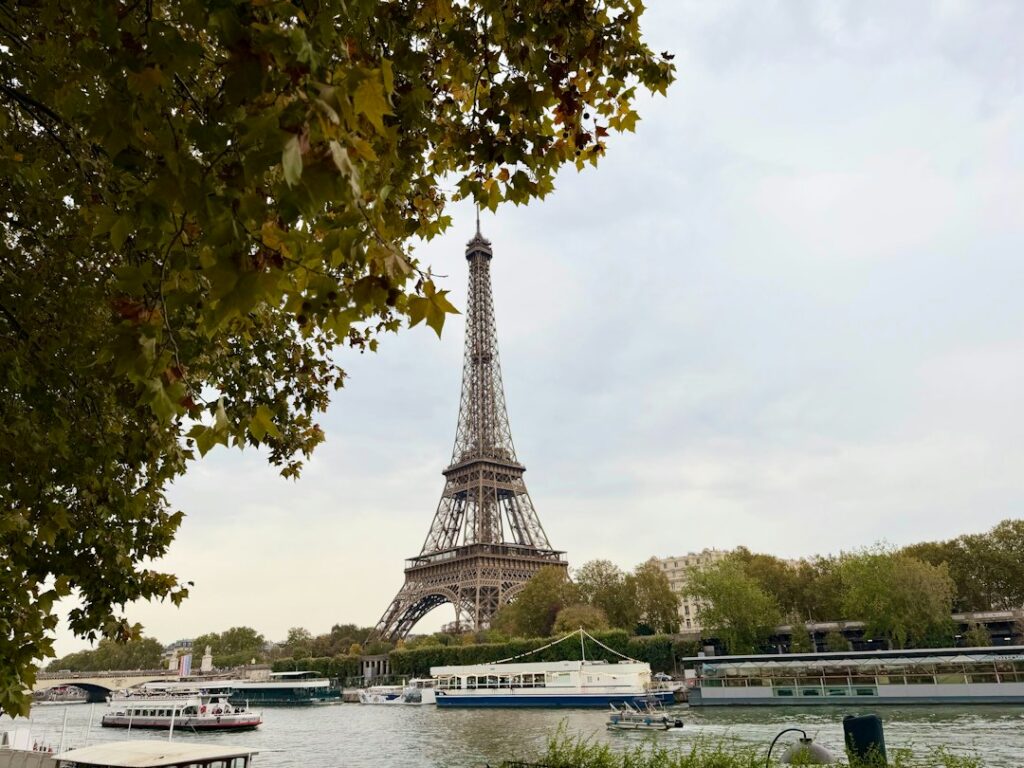
Paris does not need a landscape to justify itself. The city is the venue: Haussmannian stone, wrought-iron balconies, the Seine catching light at golden hour, and a culinary infrastructure that no other French region can touch. The romantic minimalist is the couple who wants 60 guests in a candlelit salon, a ceremony with the Eiffel Tower visible through tall windows, and a dinner where the food and the conversation are the entire production. No grounds to maintain, no shuttles to coordinate, no weather contingency to plan. Paris is an indoor city, and that simplicity is the point.
The Paris wedding venue landscape ranges from palace hotels like the Ritz and Le Meurice to private townhouses and museum spaces. As an anchor, Musée Rodin offers something none of the hotels can: an 18th-century mansion surrounded by seven acres of sculpture gardens in the 7th arrondissement, with the Eiffel Tower visible beyond the treetops. The gardens hold up to 250 guests for a standing ceremony or 150 seated, while the intimate Hôtel Biron interior accommodates 40 to 100 depending on configuration. Venue hire for museum spaces in Paris typically ranges from €12,000 to €45,000+ depending on which spaces you rent. Notably, Musée Rodin is one of the only Paris wedding venues that permits fireworks, and it is available for private events daily from 7:30 PM and all day on Mondays.
What Paris does well: world-class catering (€150 to €300+ per guest for a full sit-down dinner with wine), unmatched photographic light, and walkable guest logistics if you choose a central arrondissement. What Paris does not do: large outdoor receptions, multi-day estate takeovers, or the kind of “home away from home” weekend that rural venues offer. Paris suits couples who want the celebration compressed into one extraordinary evening rather than spread across a weekend.
Provence: The Lavender Dreamer
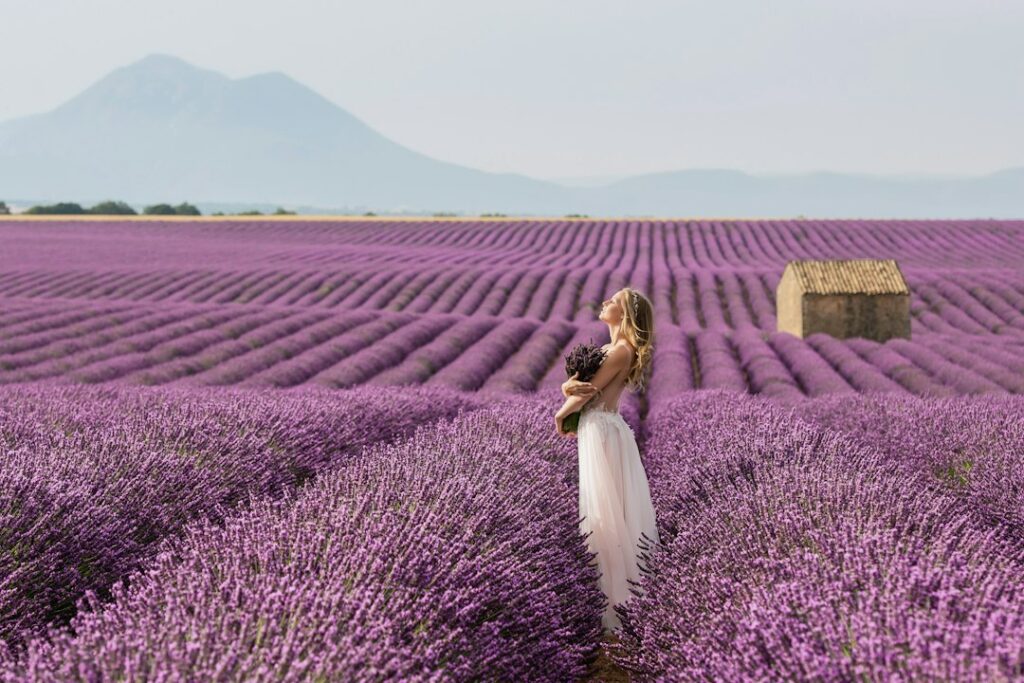
Provence speaks in warm, vivid tones: terracotta, saffron, deep purple lavender against an azure sky. The lavender dreamer is the couple who has been imagining this landscape since before the engagement, the one whose Pinterest board is a wall of honey-stone mas, olive groves, and long tables set for dinner beneath plane trees. Provence rewards that vision with the most visually distinctive wedding landscape in France, but it also demands the highest venue budgets outside of Paris and the Riviera. Peak-season venue hire in the Luberon routinely starts at €30,000 to €40,000 for a weekend exclusive use, and the best estates book 18 to 24 months ahead.
Château de Sannes, a 73-hectare estate in the Vaucluse, anchors the premium end of the Provençal market. The property sleeps 31 across 15 bedrooms and seats up to 220 guests for dinner in a movable Orangerie set within the olive groves. Peak-season venue hire (June through mid-September) runs from approximately €40,000 TTC for a weekend exclusive use, with shoulder-season rates dropping to around €30,000 TTC in May and mid-September through mid-October. Catering is handled by the estate’s imposed caterer, Roland Paix, at approximately €140 per head for 100+ guests, with wine and bar billed separately. A full Château de Sannes wedding budget for 80 guests typically runs €112,000 to €156,000 all-in, depending on floral scale, production, and vendor selections.
What Provence does well: outdoor ceremonies beneath century-old trees, golden-hour light that photographers prize, and a multi-day residential format where your guests inhabit the estate for the weekend. What to watch for: the Mistral wind that can gust through the Rhône Valley from spring to early summer, venue hire that is almost always quoted HT (so add 20% VAT), and the fact that most Provençal estates require exclusive buyout, meaning you pay for the full property regardless of whether you use every space.
Loire Valley: The Castle Traditionalist
The Loire Valley whispers in softer hues: silvery river light, pale tuffeau stone, the tender green of centuries-old gardens. The castle traditionalist is the couple who wants turrets, a historic chapel, a grand banquet hall with crystal chandeliers, and the feeling of stepping into a French fairy tale. The Loire Valley delivers this with more accessible pricing than Provence and proximity to Paris (under two hours by TGV), making it the strongest region for couples who want château grandeur without Provençal pricing.
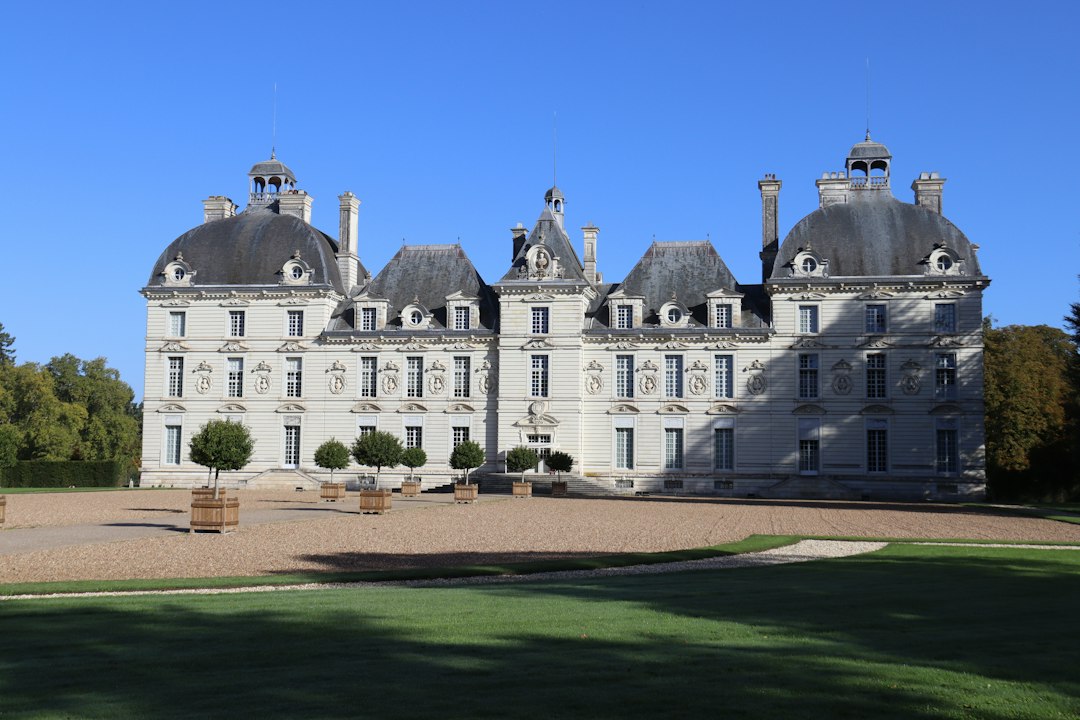
Château de Jalesnes, a Renaissance estate built in 1610 and set on 22 acres near Saumur, anchors this region. The château seats up to 180 guests indoors, with formal lawns accommodating up to 500 for larger gatherings. On-site accommodation spans 17 suites sleeping up to 65 guests, with additional rooms available in partner châteaux and nearby hotels. The estate includes a licensed chapel for ceremonies, a heated swimming pool, and a chestnut grove for outdoor receptions. Venue hire starts from €22,000 for a two-night exclusive use package including accommodation and breakfast. A more comprehensive package including catering for 150 guests, welcome dinner, and full service starts at approximately €45,000. The nearest airports are Tours (45 minutes) and Paris CDG or Orly (under two hours by TGV from nearby Angers or Saumur).
What the Loire Valley does well: authentic Renaissance and medieval architecture, a licensed chapel option that simplifies ceremony planning, and the highest density of château venues in France (over 300 along the UNESCO World Heritage river corridor). What to watch for: the region is flatter and more formal than Provence, so if you are looking for rugged natural drama, the Loire may feel too manicured. Catering is typically in-house or from a recommended list, which limits creative freedom compared to dry-hire regions like Dordogne.
Bordeaux: The Wine-Obsessed Pair
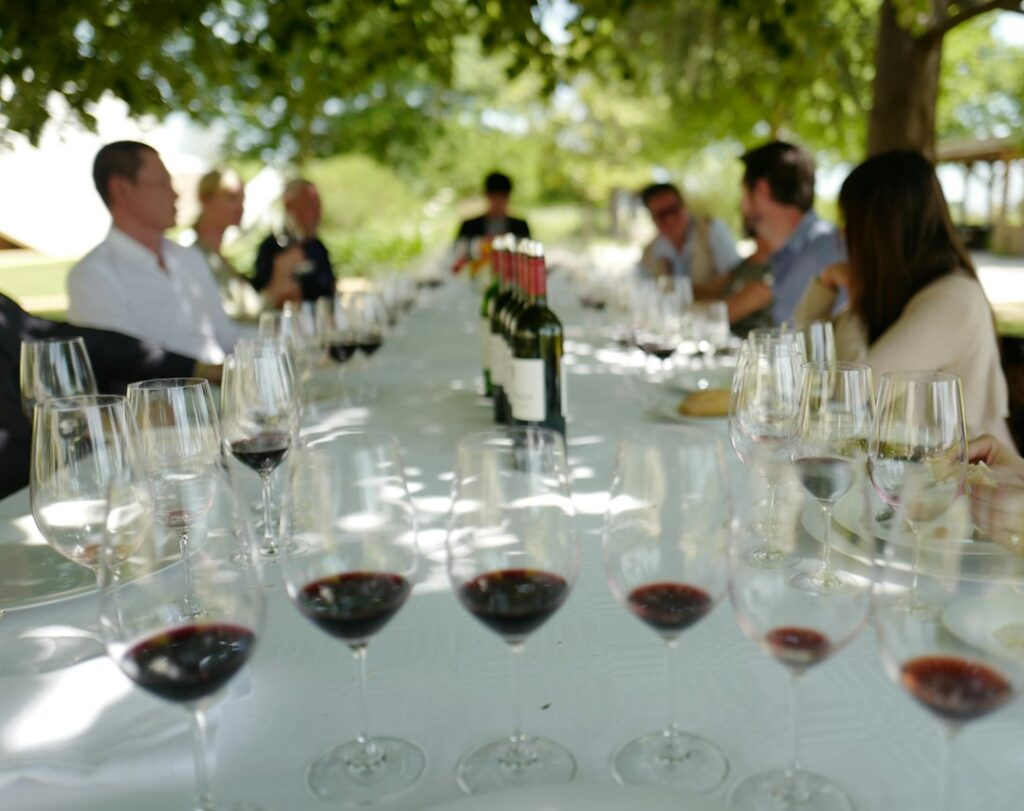
Bordeaux is the destination for couples who want the wine to be the story, not an afterthought. The wine-obsessed pair is not content with a generic Champagne toast. They want Margaux and Pomerol at dinner, a vineyard ceremony with rows of vines as the aisle, and a venue where the terroir is the architecture. Bordeaux delivers this with a sophistication that rivals Provence but at a different register: darker stone, deeper reds, and a gastronomic culture rooted in the world’s most prestigious wine appellation.
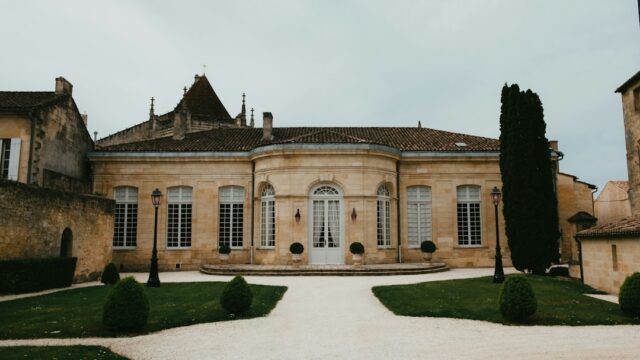
Château Gassies, an 18th-century hilltop estate on 14 hectares in Latresne overlooking the Garonne Valley, anchors the Bordeaux market. The 190m² Charles X reception room seats up to 150 guests with original stone walls, wooden beams, and crystal chandeliers. On-site accommodation sleeps up to 43 guests across six suites and three guesthouses. Weekend packages (two nights, three days) start at €23,000 including accommodation, breakfast, exclusive estate use, pool, sauna, and a wedding coordinator. A three-night package starts at €28,500. The venue operates a dry-hire model with external caterers only, no music curfew (dancing until 4 AM), and no corkage charge, meaning couples can bring in their own wine selections from surrounding châteaux. Bordeaux-Mérignac Airport is 20 minutes away.
What Bordeaux does well: the freedom to bring in your own caterers and wine, panoramic vineyard and valley views, and a dry-hire model that gives design-conscious couples full creative control. What to watch for: because the venue hire does not include catering, you are building the food and beverage budget from scratch. For a 100-guest wedding with a quality caterer and wine pairings, expect catering to add €12,000 to €25,000 on top of the venue hire.
Corsica: The Seaside Bohemian
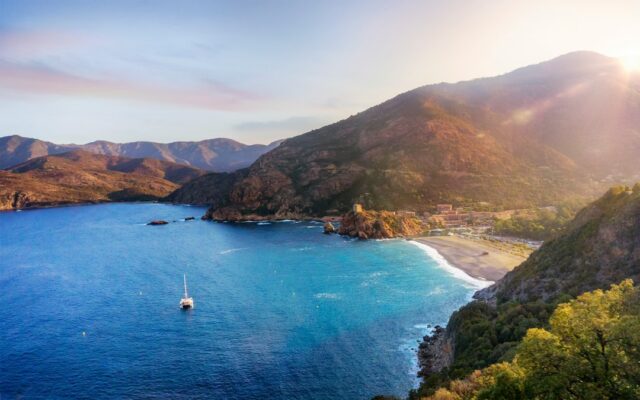
Corsica exists at a cultural crossroads that no mainland French region can claim. Ruled by Genoa for five centuries before becoming French in 1768, the island carries an identity that is neither wholly Italian nor wholly French but something more compelling: the warmth of Italian coastal life fused with French sophistication. The seaside bohemian is the couple who wants a barefoot ceremony on a private beach, a dinner of wild boar and brocciu cheese, and the sound of the Mediterranean rather than a DJ. Corsica rewards that vision with a landscape that packs white-sand beaches, granite peaks, and chestnut forests into 180 kilometres of island.
Domaine de Murtoli, a 2,500-hectare estate between Sartène and Bonifacio in southern Corsica, anchors the upper end of the island’s wedding market. The property includes 20 restored 17th-century bergeries (traditional stone shepherds’ houses) converted into guest accommodation, a five-star hotel with roughly 20 rooms, and a restaurant seating 150 guests (250 standing) with in-house catering drawn from produce grown and livestock raised on the property. The estate’s scale means your celebration can unfold across multiple days and locations: a welcome dinner in a stone bergerie, a ceremony on a secluded beach, a reception in the farmhouse restaurant with its monumental fireplaces. Figari Sud-Corse Airport is a 30-minute drive. Pricing is arranged on request, tailored to the scope of the event.
Corsica venue hire typically starts at €10,000 for smaller properties and rises into the high tens of thousands for exclusive-use estate takeovers. For a comprehensive guide to Corsican wedding venues across different budgets and styles, our dedicated guide covers eight options from beachfront hotels to 15th-century convents. What Corsica does well: a setting distinct from anything on the mainland, with traditions like paghjella polyphonic singing (recognized by UNESCO as intangible cultural heritage) that transform a wedding from a beautiful event into a cultural immersion. What to watch for: ferry and flight logistics add a structural cost layer not present on mainland destinations. Book ferries 4 to 6 months ahead for summer dates, and avoid July and August when tourist pressure is highest.
Biarritz: The Atlantic Free Spirit
Biarritz is the antidote to Mediterranean predictability. The Atlantic free spirit is the couple drawn to wild coast, crashing surf, and a Basque culture that is distinct from both Provence and Paris. Biarritz offers a wedding aesthetic defined by dramatic cliffs, neo-Basque architecture, and the kind of moody, atmospheric light that the Côte d’Azur cannot produce. This is not a turquoise-water, white-sand setting. It is a crashing-wave, gray-stone, sea-spray setting, and that difference is exactly what draws couples here.
Hôtel du Palais, a classified historic monument built for Napoléon III and the Empress Eugénie in the 19th century, anchors the Biarritz wedding market. The Salon Impérial, once the imperial couple’s ballroom, seats 180 guests for a banquet (310 for cocktails) with an 8-metre ceiling and panoramic ocean views. The adjacent Jardin d’Hiver adds 110m² of space, and the Windsor salon accommodates 30 for a seated dinner. The hotel’s gardens hold 200 for cocktails from April through October. Pricing operates on a per-person model rather than a flat venue hire: from €200 TTC per person (minimum 20) for the Salon Impérial, including catering and room hire, with premium packages ranging to €450 TTC per person. A garden tent is available from €6,000 TTC. Biarritz Airport is 15 minutes away, with direct flights from Paris, London, and other European cities.
What Biarritz does well: a setting unlike any other French coastal region, Michelin-calibre Basque cuisine, and a per-person pricing model that makes the budget transparent from the start. What to watch for: the Atlantic weather is less reliable than the Mediterranean. A garden ceremony in Biarritz needs a solid weather backup plan, and the season is shorter (April through October is viable, but September and October bring increasingly variable conditions). The Basque country also has its own culinary traditions, which may surprise guests expecting classic French fare.
Dordogne: The Rustic Romantic
The Dordogne is where the château wedding becomes financially realistic. The rustic romantic is the couple who wants stone walls, wild meadows, a restored barn, and a celebration that feels like a week-long family gathering rather than a single orchestrated evening. The Dordogne delivers this with pricing that runs 30 to 50% below Provence and the Côte d’Azur for comparable properties, without sacrificing architectural authenticity. The region is called “the Land of 1001 Châteaux” for good reason, and the density of exceptional venues creates a competitive market that suits a range of budgets far broader than most couples expect.
Château du Raysse, a medieval château dating to 1155 in the Dordogne Valley, anchors the accessible end of the market. The estate accommodates up to 90 guests for a seated dinner and sleeps 38 across 17 bedrooms, with two swimming pools and grounds set in the river valley. Venue hire starts at €9,500 for a three-night exclusive use minimum, including concierge service, linen, and towels. Catering costs in the Dordogne average €90 to €140 per person (lower than Provence’s €120 to €180 for comparable quality), and couples can bring in their own caterers. A full destination wedding (venue, catering, flowers, photographer, planner) for 100 guests in the Dordogne typically runs €30,000 to €80,000. Bergerac Airport is 30 minutes away, with seasonal flights from the UK and Paris.
What the Dordogne does well: the best value château weddings in France, a “blank canvas” approach that lets couples choose their own caterers and stylists, and a relaxed, week-long gathering format with medieval villages and local markets to explore. What to watch for: the region is rural, so accommodation beyond the venue is limited. If your guest count exceeds the on-site capacity (often 30 to 50 guests), nearby hotels and chambres d’hôtes need to be booked well in advance, and shuttle transport between them becomes a necessary line item. For a broader survey of French countryside wedding venues across multiple regions, our dedicated guide covers châteaux, farmhouses, and vineyard estates.
Burgundy: The Gastronomy Lover
Burgundy is the region for couples who believe the meal is the wedding. The gastronomy lover is the pair who spends more time on the tasting menu than the flower selections, who wants Pinot Noir from the Côte de Nuits poured at dinner, and who sees the food as the emotional centerpiece of the celebration, not a logistical obligation. Burgundy delivers this with one of France’s deepest culinary traditions, set among rolling hills and some of the world’s most prestigious vineyards.
Château de Varennes, named by CNN among the top ten best wedding venues worldwide, anchors the Burgundy market. The family-owned estate near Beaune seats up to 200 guests in its Orangerie, with a historic on-site chapel seating 80 for ceremonies and gardens accommodating 200 for cocktails. On-site accommodation spans 27 bedrooms sleeping up to 60 guests, with a fully equipped château kitchen designed for up to 40 covers (additional equipment can be hired for larger numbers). The venue operates on an exclusive-use basis with no time limit for parties, and couples can bring in their own celebrant and vendors, though meals are managed by the estate. Venue hire starts from €19,500 for peak season (June through September), with a minimum two-night stay. The estate is accessible via TGV from Paris (approximately 1.5 hours to Le Creusot, then a short drive) or Lyon Airport (2 hours by car).
What Burgundy does well: gastronomic depth that rivals any region in France, a historic chapel for ceremonies, and an estate model that balances grandeur with a family-run warmth. What to watch for: Burgundy is less visually dramatic than Provence or Corsica. The landscape is beautiful but understated: rolling hills, vineyards, and stone villages that reward intimate appreciation rather than delivering instant visual impact. If your guests are expecting the “wow” of a Provençal lavender field, Burgundy’s quieter beauty may need to be framed for them.
French Riviera: The Glamour Seeker
The French Riviera is not a region for the budget-conscious. The glamour seeker is the couple who wants the Mediterranean as a ceremony backdrop, a reception that feels like a film set, and a setting that carries the weight of a century of celebrity weddings. The Côte d’Azur delivers all of this at a premium: venue hire here is the highest in France outside of Paris, and the production costs to match the setting are substantial. But for couples whose vision is pure Riviera glamour, no other region satisfies.
Château de la Napoule, a restored medieval fortress on the Mediterranean shore between Cannes and Mandelieu-la-Napoule, anchors the Riviera market. The Courtyard seats up to 450 guests, the largest single seated capacity on the coast, with the bay of Cannes, the Lérins Islands, and the Esterel massif as backdrop. The Lovers’ Garden hosts up to 200 for ceremonies, and the Spencer Gallery seats 150 indoors as a weather backup at no additional charge for groups under 200. Evening venue hire starts at €13,800 TTC (Monday through Thursday), with full-day hire at €25,200 TTC (required for Friday, Saturday, or groups of 200+). What sits outside the hire: catering, marquees, sound, lighting, furniture, flowers, photography, transfers, and all hotel rooms, all of which must come from the foundation’s approved vendor lists. Nice Côte d’Azur Airport is 30 minutes away.
What the Riviera does well: a Mediterranean setting with the glamour infrastructure to support a large-scale production, and the photographic backdrop that defines “destination wedding” for most of the world. What to watch for: above 200 guests, a marquee over the courtyard is no longer optional but required, because the indoor rooms cannot seat that many. A full Château de la Napoule wedding for 150 to 450 guests, including all production, typically runs €150,000 to €300,000 all-in. From 2027, Friday and Saturday bookings will only be available as full-day hire, which raises the minimum venue cost on the most coveted dates.
French Alps: The Mountain Adventurer
The French Alps are the most unconventional wedding destination in France, and that is exactly the appeal. The mountain adventurer is the couple who wants a log cabin at the foot of Mont-Blanc, a ceremony on a terrace with glaciers visible in the distance, and a celebration that feels connected to the natural world in a way that no château or vineyard estate can replicate. The Alps offer two distinct seasons: summer weddings (June through September) with green valleys and wildflower meadows, and winter weddings (December through March) with snow-covered peaks and a chalet glowing with candlelight.
Cabane des Praz, a log cabin in Chamonix at the foot of the Mont-Blanc massif, anchors the Alpine wedding market. The venue is fully privatisable for one event at a time, with indoor seating for 90 guests, two large terraces with Mont-Blanc range views, and total capacity for 220 across all spaces. Weekend privatization starts at €10,000 TTC, which includes furniture, sound system, lighting, and access to the kitchen facilities. For a full catering package, the model shifts to per-person pricing: €20,000 TTC for 80 guests (€250 per additional guest beyond 80), with menus ranging from €250 to €1,000 per person depending on the tier. Dancing is possible until 4 AM, and the venue is open year-round. Geneva Airport is 1 hour and 15 minutes away by car.
What the Alps do well: a setting with genuine altitude and drama that no other French region offers, year-round availability (unlike Provence or Corsica, which are seasonal), and a format that suits couples who want their wedding to feel like an adventure their guests embark on together. What to watch for: mountain weather shifts quickly, even in summer. A terrace ceremony needs a solid indoor backup, and temperatures at altitude can drop significantly after sunset even in July. Winter weddings are magical but logistically demanding: road conditions, short daylight hours, and guest travel complexity all increase.
Matching Your Vision to the Right Region
Choosing among wedding locations in France comes down to four decision variables: guest count, budget band, season, and the emotional tone you want your celebration to carry. The matrix below maps each region to these variables so you can cross-reference your own constraints against what each location realistically supports.
By Guest Count
For intimate weddings (30 to 60 guests), Paris salons, the Cabane des Praz in the Alps, and smaller Dordogne estates like Château du Raysse are the strongest fits. These venues are scaled to feel full rather than empty at smaller guest counts. For mid-sized celebrations (80 to 150 guests), Provence, Bordeaux, the Loire Valley, Burgundy, and Biarritz all offer estates that fill beautifully in this range. For large-scale productions (200+ guests), the Loire Valley (Château de Jalesnes seats 180 with lawns for 500), the Riviera (Château de la Napoule seats 450), and Burgundy (Château de Varennes seats 200) are the regions with the infrastructure to handle the scale.
By Budget Band
For couples working with a total budget of €30,000 to €60,000, the Dordogne is the strongest region, with venue hire from €5,000 to €12,000 and catering at €90 to €140 per person. A full 100-guest wedding here can land between €30,000 and €60,000. The French Alps offer a parallel value proposition at €10,000 for venue hire, though per-person catering costs are higher. In the €60,000 to €120,000 band, the Loire Valley, Bordeaux, and Burgundy all become accessible, with venue hire from €19,500 to €28,500 and all-in totals that fit a well-executed 80 to 120 guest wedding. Above €120,000, Provence, Paris, the Riviera, and Corsica open up, with venue hire from €30,000 to €45,000+ and all-in totals that reflect the premium positioning of these regions.
By Emotional Tone
If your vision is sun-drenched and Mediterranean, Provence, Corsica, and the Riviera are your three options, each at a different price point and register. If your vision is regal and architectural, the Loire Valley is the unambiguous answer. If your vision is rooted in food and wine, Bordeaux and Burgundy compete directly, with Bordeaux offering more creative freedom (dry hire, your own wine) and Burgundy offering deeper gastronomic heritage. If your vision is wild and unconventional, the Alps and Biarritz deliver landscapes that no other French region can replicate. And if your vision is urban, intimate, and cinematic, Paris stands alone.
The VAT Question
One practical factor that cuts across all regions: the French VAT structure. Quotes are frequently presented HT (hors taxes, before VAT), and the rates are not uniform. Catering and food service carry a 10% VAT rate, while venue hire, equipment rental, and all alcoholic beverages are taxed at the full 20% rate. A venue quoting €25,000 HT becomes €30,000 TTC. A caterer quoting €12,000 HT becomes €13,200 TTC. Across 10 to 15 vendor invoices, the cumulative VAT typically adds €3,000 to €8,000 that couples did not anticipate. Always confirm whether a price is HT or TTC before building your budget, and ask your planner to present all figures TTC so you are comparing real costs, not pre-tax ones.
Seasonal Considerations Across France
Timing matters differently in each region, and getting it wrong is the most common reason a French destination wedding disappoints. The general peak season runs June through September, but the specifics vary dramatically by region.
Provence and the Riviera are at their best from late May through June and again in September. July and August bring extreme heat (often 35°C plus in Provence), peak tourist crowds, and the highest venue rates. If lavender is your priority, plan for late June through early August when the fields are in bloom. Shoulder months reduce venue hire by roughly 25% and ease vendor minimums.
Corsica follows a similar pattern, with May, June, and September as the ideal months. July and August bring the highest prices, crowded beaches, and limited venue availability. Some of the island’s most considered venues, including U Capu Biancu, simply decline to host weddings during peak summer. October is viable but weather becomes less reliable after mid-month.
The Loire Valley and Burgundy have a longer viable season thanks to their milder, more temperate climate. Spring (March through May) brings blooming gardens and lower rates, while autumn (September through November) offers golden foliage and harvest-season gastronomy. November through March can reduce venue and vendor costs by 20 to 30%, though outdoor ceremonies become unreliable.
Bordeaux and the Dordogne share a similar season profile to the Loire, with May through October as the primary window. The Dordogne’s lower latitude means warmer evenings extend later into autumn, making September and early October particularly appealing for outdoor dinners.
Biarritz has the shortest reliable outdoor season of any region listed, running from April through October, with September as the safest month. Atlantic weather is inherently less predictable than Mediterranean weather, so a weather backup plan is essential even in mid-summer.
The French Alps are the only region where the season inverts. Summer weddings (June through September) offer green valleys, wildflowers, and comfortable outdoor temperatures. Winter weddings (December through March) offer snow, candlelit warmth, and a completely different aesthetic. The off-seasons (April, May, October, November) are the least appealing, with muddy trails and variable conditions.
Your First Step Toward a French Wedding
France offers ten fundamentally different versions of a wedding, and the right one is the version that matches who you are as a couple, not the version that looks best on Instagram. The wine-obsessed pair belongs in Bordeaux. The lavender dreamer belongs in Provence. The castle traditionalist belongs in the Loire Valley. The romantic minimalist belongs in Paris. The mountain adventurer belongs in the Alps. Each region has a specific venue, a specific cost structure, and a specific emotional register that aligns with one of these visions. The work is not in finding a beautiful venue; France has hundreds. The work is in finding the region where your vision, your budget, and your guest experience all align.
At Myfrancewedding, we help couples navigate the French venue landscape from the first inquiry to the final invoice, ensuring that VAT structures, accommodation gaps, transport logistics, and catering models are accounted for before you commit to a location. Your French love story is waiting to unfold. Contact Myfrancewedding to request dates, a tailored cost breakdown, and a curated shortlist of venues matched to your guest count, your budget, and the emotional tone you want your celebration to carry.
Frequently Asked Questions
What is the most affordable region in France for a château wedding?
The Dordogne offers the best value for château weddings in France, with exclusive-use venue hire starting from €5,000 to €12,000 for a weekend, catering at €90 to €140 per person, and a full 100-guest destination wedding typically running €30,000 to €80,000. Prices here run 30 to 50% below Provence and the Côte d’Azur for comparable properties.
How do I choose between Provence and the Loire Valley for my French wedding?
Choose Provence if your vision is sun-drenched, outdoor, Mediterranean, and lavender-infused, with peak venue hire from €30,000 to €40,000 TTC. Choose the Loire Valley if you want Renaissance château architecture, a licensed chapel for ceremonies, proximity to Paris (under two hours by TGV), and more accessible pricing from €22,000 for a two-night exclusive use package.
When is the best time of year for a destination wedding in France?
May, June, and September are the ideal months across most regions, offering warm weather, thinner crowds, and lower venue rates than peak July and August. The Loire Valley and Burgundy extend their season from March through November. The French Alps are the exception, with two distinct seasons: summer (June to September) and winter (December to March).
What is the difference between HT and TTC in French wedding venue pricing?
HT (hors taxes) means the price is before VAT. TTC (toutes taxes comprises) means VAT is included. French venue quotes are frequently presented HT, so always confirm which applies. Venue hire and equipment carry 20% VAT, while catering and food service carry 10% VAT. Across all vendor invoices, the cumulative VAT typically adds €3,000 to €8,000 to the final budget.
Can we legally marry in France as non-residents?
French law requires at least one partner to reside in the commune where the civil ceremony takes place for 30 to 40 days before the wedding. Most international couples complete the legal civil marriage in their home country and hold a symbolic or religious ceremony in France, which provides complete freedom to choose any venue without administrative constraints.