French Riviera Château Wedding: What the Photos Hide
-
myfrancewedding.com
- FranceWedding VenuesWeddings
- 18

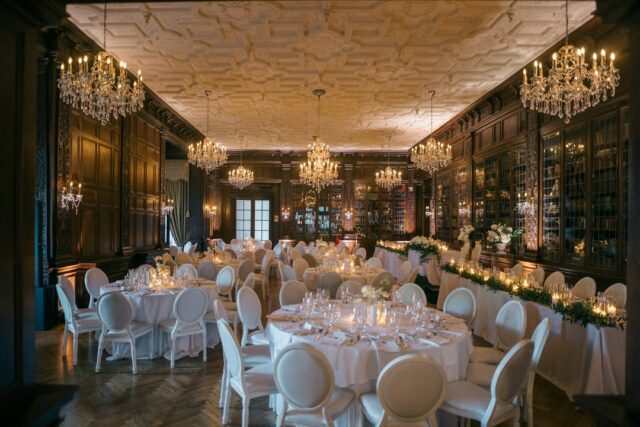
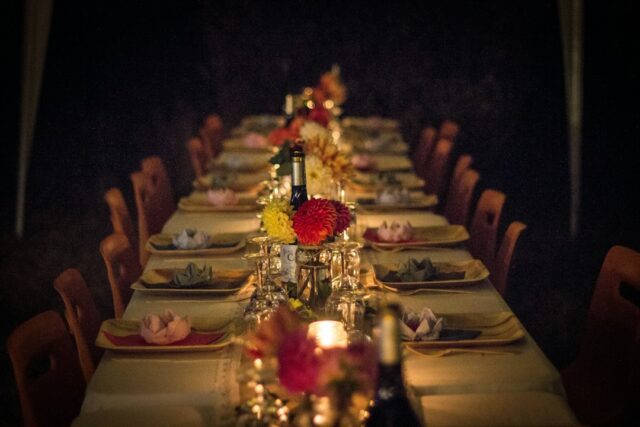
Picture a stone terrace above the Mediterranean at 7:30 on a June evening. The light has gone amber, the kind of amber that exists nowhere else, and it is turning the crenellated walls of the château behind you into warm gold. Cypress trees stand dark against the sky. The air carries the scent of sea salt and warm stone and something herbal, thyme maybe, from the hillside below. Your guests are on the terrace with chilled rosé, and the conversation has the particular ease of people who have traveled somewhere beautiful together and arrived. The stone underfoot still holds the warmth of the afternoon sun, and it will stay warm until long after dinner begins.
That is the French Riviera château wedding at its best, and it is worth every logistical challenge it takes to get there. But the couples who end up with that evening are not the ones who fell in love with the photographs. They are the ones who understood, before they signed a contract, that the Côte d’Azur in summer is a coast under pressure: hotels at capacity, coastal roads gridlocked, temperatures that turn un-air-conditioned reception rooms into ovens, and a pricing structure that carries a 20 to 40% premium over every other French region. The glamour is real. So is the work it takes to protect it.
Why the French Riviera for a Château Wedding
The Côte d’Azur offers something no other French wedding region can replicate: a château setting where the Mediterranean is not a distant view but a direct backdrop, where the architecture spans medieval fortresses and Belle Époque palaces, and where the airport serving the region has direct flights from New York and London that put your guests within 30 minutes of their hotel. No other southern French region combines that level of visual drama with that level of accessibility.
The Riviera is the most logistically accessible part of southern France for international couples. Nice Côte d’Azur Airport (NCE) offers direct flights from New York (Newark) via La Compagnie’s all-business-class service, with up to five flights per week during peak season and year-round service now extending through winter. London connects to Nice on multiple carriers with flight times under two hours. For a couple flying from New York or London, that means no Paris connection, no additional domestic flight, and guests clearing customs 25 minutes from venues like Château de la Napoule.
What makes the region worth the premium is the quality of the experience itself. The Mediterranean light at golden hour on the Côte d’Azur has a specific quality that photographers chase from Nice to Saint-Tropez: warm, low, and saturated in a way that makes stone and sea and skin all glow. The scent of cypress and pine mixes with salt air on hillside estates. After sunset, the stone of a terrace retains the day’s heat, and the air cools just enough to make a dinner under stars feel like the most natural thing in the world. These are not decorative details. They are the sensory architecture of an evening your guests will remember for decades.
The question is whether the glamour translates into a genuine experience or whether it becomes a production that feels hollow. The answer depends almost entirely on logistics: which month you choose, how your guests get from the airport to the venue, where they sleep, and whether the château you have fallen for can actually host your dinner comfortably at the temperature you will encounter. If you are still deciding whether the Riviera is the right region for your celebration, our guide to wedding châteaux across the south of France compares the Côte d’Azur against Provence and Languedoc in detail.
Château Styles: Hilltop Fortresses to Belle Époque Estates
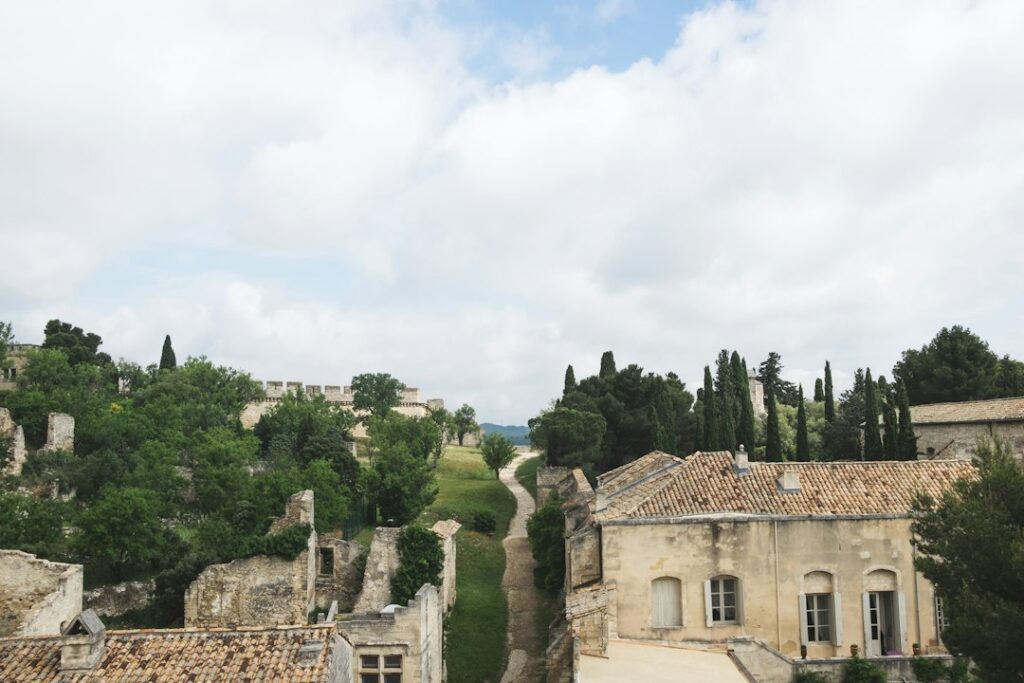
Riviera wedding châteaux fall into three architectural archetypes, and each one creates a fundamentally different guest experience. Understanding the difference before you visit properties saves you from falling for a venue whose architecture fights your vision.
Medieval Hilltop Fortresses
These are the châteaux that define the Riviera’s visual identity: crenellated walls, stone towers, ramparts that once defended against naval attack and now serve as cocktail terraces. Château de la Napoule, a restored 14th-century fortress perched between Cannes and Mandelieu-la-Napoule, is the archetype. Its ramparts are the seawall. Its Cour d’Honneur seats 450 for dinner inside a crenellated courtyard opening through three arches toward the gardens. The drama is unmatched, and no other southern French venue delivers the Mediterranean as a direct backdrop rather than a distant view.
What to watch for: hilltop and seaside fortresses are exposed to wind, which can disrupt outdoor ceremonies and floral installations. Many are classified Monuments Historiques, which means decoration restrictions: no permanent installations, no open flames in certain areas, and strict rules about what can be attached to listed stonework. Most operate as dry-hire venues with no on-site accommodation, which means your budget must absorb hotel blocks and shuttle transport. Our Château de la Napoule wedding cost guide breaks down the full financial picture for this venue type.
Belle Époque Estates
The Côte d’Azur’s Belle Époque estates were built during the late 19th and early 20th century, when the coast became the winter playground of European aristocracy. They offer a different register: grand staircases, marble floors, frescoed ceilings, and gardens designed by landscape architects who trained in Italy. These properties often operate as hotels or event spaces rather than private estates, which means you may share the grounds with other guests or events unless you book an exclusive buyout.
What to watch for: the hotel-adjacent operating model means true privacy is not guaranteed unless you pay for a full property buyout, which on the Riviera can push venue costs well above €50,000. Ask specifically whether other events or hotel guests will be on the property during your celebration, and get the answer in writing. The difference between a venue that offers exclusive use and one that truly operates as a private estate is the difference between a hotel that blocks off its ballroom and a château that hands you the keys and leaves.
Provençal Bastides and Stone Domaines
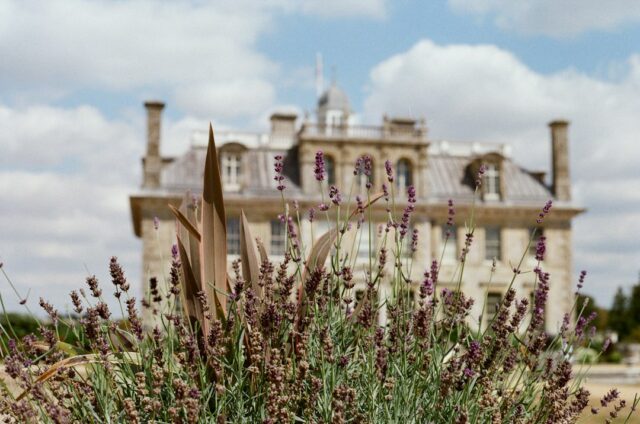
Moving inland from the coast, the architecture shifts from Riviera glamour to Provençal warmth: honey-stone bastides, working vineyards, olive groves, and gardens of plane trees and lavender. These estates sit in the arrière-pays, the hill country behind the coast, where the air is drier, the views sweep across vineyards rather than sea, and the pricing drops 20 to 30% below coastal properties. For couples who want the Riviera’s climate and accessibility without the coastal price premium, these inland estates are the strongest structural fit.
What to watch for: inland estates lack the Mediterranean as a direct backdrop. If your vision requires the sea in your photographs, a hillside bastide will not deliver it. But if your vision is long dinners under plane trees, stone walls warm at sunset, and a celebration that feels like a private family gathering, the arrière-pays offers better value and more genuine intimacy than the coast. The key question is which specific room the estate will assign to your dinner and what that room’s designed seating capacity is, not the estate’s maximum.
The Calendar: Choosing Your Season Wisely
The month you choose for your French Riviera château wedding affects temperature, hotel pricing, vendor availability, and guest comfort more than any other single decision. May through September is the viable window, but the experience within that window varies dramatically. A June evening at 25°C with a sea breeze is a different event entirely from an August evening at 33°C with no air movement.
The Temperature Reality
The Côte d’Azur’s climate is Mediterranean, with hot, dry summers and mild winters. Average daily high temperatures in Nice range from 21°C in May to 28°C in August, according to 1991-2020 climate normals. But averages obscure the extremes: July and August see regular peaks of 32 to 35°C during heat waves, and the humidity on the coast, where the dew point can exceed 18°C, makes the air feel stickier than the thermometer suggests. For a wedding in formal attire, the difference between a 24°C evening in June and a 33°C evening in August is the difference between comfortable guests and guests who leave the dinner table early.
The microclimate question matters here. Seaside venues on the coast benefit from the marine breeze that picks up in the late afternoon, which can make a 30°C day feel manageable on a ramparts terrace. Hilltop estates in the arrière-pays sit higher and catch more wind, which cools them further but can also disrupt ceremonies and topple floral installations. Inland venues without sea breeze can feel hotter than the coast at the same temperature, because there is no air movement to break the heat. Ask your planner about the specific microclimate of each venue you are considering, not the regional average.
Season Comparison: May Through September
| Month | Avg High °C | Avg Low °C | Sea Temp °C | Rainfall | Hotel Pricing | Wedding Suitability |
|---|---|---|---|---|---|---|
| May | 21 | 15 | 17 | 45 mm (5 days) | Moderate (except festival week) | Pleasant days, cool evenings. Avoid Cannes Film Festival May 12-23, 2026. |
| June | 25 | 18 | 20 | 35 mm (4 days) | High | Ideal: warm days, reliable outdoor evenings, manageable crowds. Peak season begins. |
| July | 28 | 21 | 23 | 10 mm (2 days) | Very high | Hottest and driest. Heat waves reach 32-35°C. Coastal traffic at worst. Non-AC venues uncomfortable. |
| August | 28 | 21 | 24 | 20 mm (2 days) | Very high | Warmest sea for swimming. Peak tourist crowds. Warm nights stay 21°C+. Same heat issues as July. |
| September | 25 | 18 | 22 | 72 mm (5 days) | High (easing late month) | Best value month: warm days, cooler evenings, lighter crowds. Some rain risk. Venue hire ~25% lower. |
Temperature and rainfall data: Climatestotravel.com, 1991-2020 normals for Nice. Sea temperatures: same source. Hotel pricing reflects seasonal demand patterns described by regional venue operators and transport specialists.
The Cannes Film Festival Trap
The Cannes Film Festival, held annually in mid-May, turns every hotel room in Cannes and the surrounding area into a premium commodity. The 2026 edition runs May 12 to 23, according to the Festival de Cannes official site. During these dates, hotel rates in Mandelieu and Cannes can reach several times their usual price, and availability becomes essentially zero. A wedding during festival week can add €10,000 to €20,000 to your accommodation block alone. If you are considering a May date, check the festival dates first and either avoid them entirely or plan for the premium.
VAT on Seasonal Pricing
This is where most international couples get caught. French quotes are frequently presented HT (hors taxes, before VAT), and the VAT is added on the final invoice. Venue hire and equipment rental carry 20% VAT, while catering and food service carry 10%. A venue quoting €25,000 HT becomes €30,000 TTC. A caterer quoting €12,000 HT becomes €13,200 TTC at the food rate. Seasonal pricing swings mean the HT-to-TTC gap is larger in peak months, because the base amounts are higher. Always confirm whether a price is HT or TTC before building your budget, and ask your planner to present all figures TTC so you are comparing real costs, not pre-tax ones.
Guest Logistics: Travel, Transfers, and Accommodation
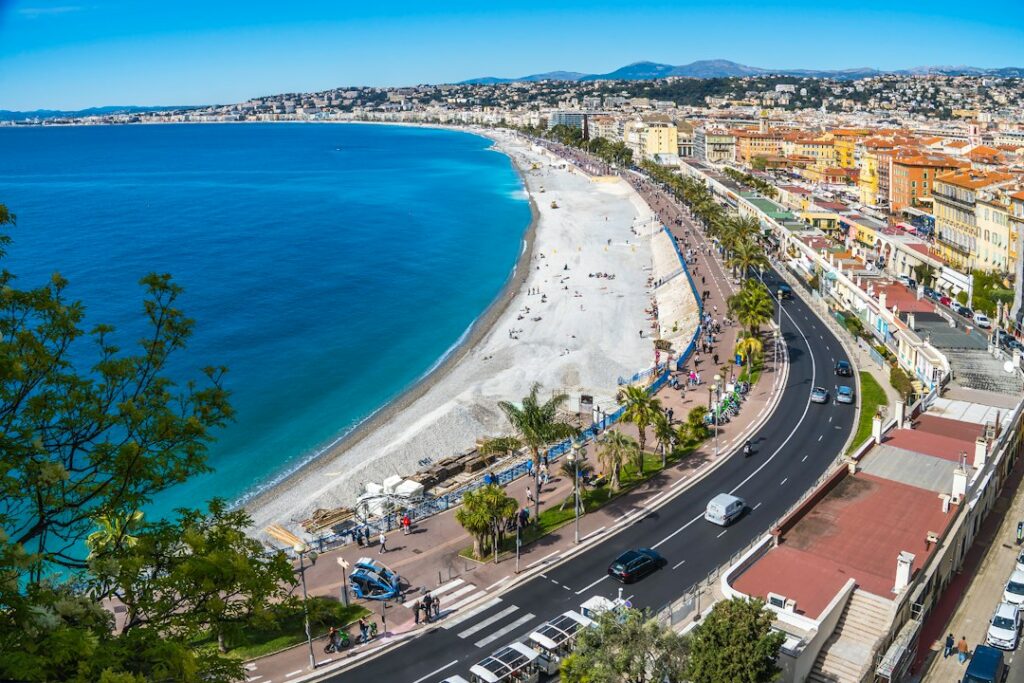
Nice Côte d’Azur Airport is the Riviera’s gateway and the most accessible southern French airport for international guests. Direct flights from New York (Newark) operate up to five times weekly during peak season via La Compagnie, with year-round service from London on multiple carriers. The airport is 7 kilometers from central Nice, 30 minutes from Cannes by car, and 25 to 30 minutes from coastal wedding venues like Château de la Napoule. This proximity is the Riviera’s single greatest logistical advantage over Provence and Languedoc, where airport-to-venue drives routinely exceed an hour.
Coastal Traffic: The Hidden Variable
The physical distances on the Côte d’Azur are modest, which tempts couples to under-plan transfers. In July and August, this is a mistake. The coastal roads between Nice, Cannes, Antibes, and Saint-Tropez can slow dramatically, and a journey that takes 30 minutes on a Tuesday in October can take 90 minutes or more on a Saturday in July. Riviera wedding transport specialists advise the golden rule for summer weddings is to add a 30 to 50% buffer to GPS travel times. If the map says 30 minutes, plan for 45 to 60.
Nice to Cannes runs roughly 35 to 50 minutes depending on Promenade des Anglais traffic. Nice to Monaco typically takes 30 to 45 minutes along the A8. Saint-Tropez is a different category entirely: the peninsula is a geographical dead end where two roads, the D98 and D559, converge toward the notorious Foux crossroads. In summer, the peninsula’s population increases tenfold, and from 5:00 PM to 8:30 PM the return from beaches paralyzes the entire area. A wedding near Saint-Tropez requires professional transport management, staggered guest arrivals, and a schedule built around traffic patterns rather than idealized timing.
Boarding is the hidden component of transfers. A party of 50 does not fill vehicles in a minute. Allow ten minutes for loading and a clear departure order: couple first, immediate family next, remaining guests after. If photographs run over, tell the driver rather than letting the vehicle wait unseen. Good drivers know where a wedding party will be held up and which alternative road is quicker, but only if you have briefed them on the schedule in advance.
The Accommodation Gap
Most Riviera wedding châteaux are dry-hire venues with no on-site accommodation. Château de la Napoule has zero bedrooms. This is a structural reality of the coast: the land is too valuable for event venues to dedicate square footage to guest rooms, and the hotel infrastructure in Cannes, Antibes, and Nice is extensive enough that venues assume guests will stay nearby.
What this means for your budget: hotel blocks and shuttle transport are structural costs, not optional add-ons. Cannes 4- and 5-star properties run €150 to €400+ per night in peak season, with mid-range options in Mandelieu-la-Napoule at €100 to €200. For a 120-guest wedding where most guests need two nights, accommodation and shuttle transport between hotels and the château typically add €21,000 to €42,000 to your total budget, with weekend shuttles costing €3,000 to €6,000. Plan to reserve hotel blocks 12 to 18 months in advance, particularly for June through September dates.
For couples who prioritize having guests stay on-site at the venue itself, the Riviera’s dry-hire model is a poor structural fit. Provençal estates like Château de Fonscolombe, which sleeps 110 guests, or Languedoc properties like Château l’Hospitalet, which sleeps 82, offer the residential estate experience that the Riviera cannot. Our guide to small wedding venues in France that maximize intimacy includes several properties where on-site accommodation is the defining feature rather than an afterthought.
If you are weighing Riviera venues and need help mapping the full logistics chain, from airport transfers to hotel blocks to shuttle schedules, our team at Myfrancewedding can build that plan with you before you commit to a property.
Working with Local Vendors on the Côte d’Azur
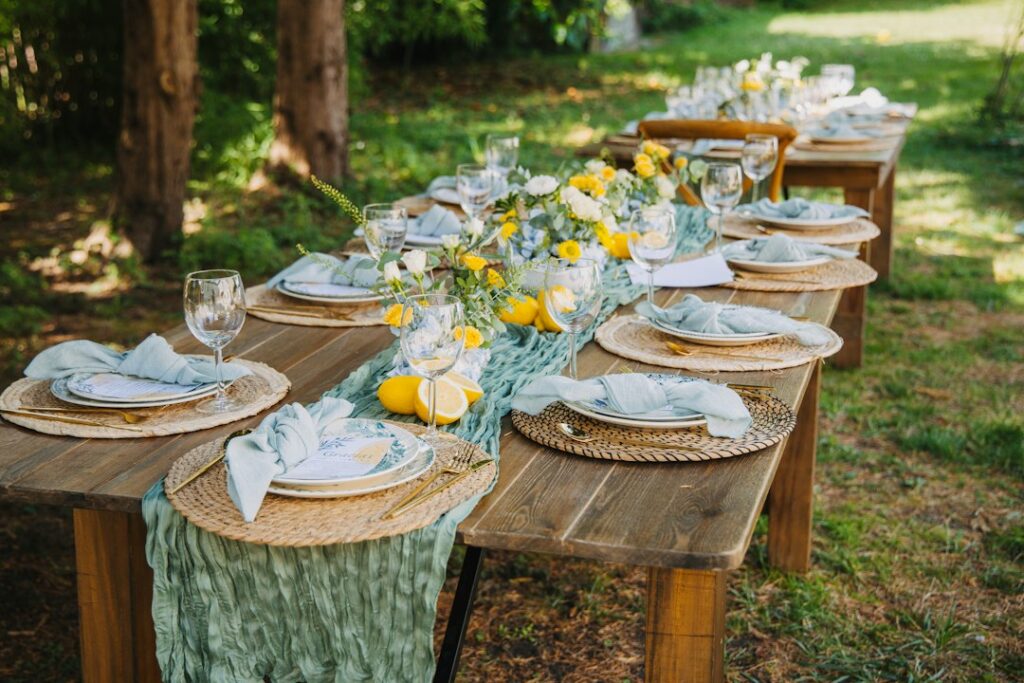
The Côte d’Azur carries a 20 to 40% premium on wedding services over comparable regions in France. This is not a surcharge added at the invoice. It is the baseline cost of operating on a coast where real estate, labor, and logistics are all priced at Riviera levels. Understanding this premium, and budgeting for it rather than discovering it, is the difference between a Riviera wedding that feels effortless and one that feels like a series of financial shocks.
Catering
Seated four-course dinners from Riviera caterers typically run €100 to €160 per person for food and service, with wine and bar billed on top. Gastronomic menus with premium wine pairings can reach €180 to €300 per person. Many venues, particularly dry-hire châteaux like Château de la Napoule, require you to select from an approved vendor list, which means you cannot shop the open market for the cheapest option. The approved lists ensure quality and venue familiarity, but they also mean pricing tends toward the upper end of the regional range.
At €140 per head for 150 guests, your catering budget is €21,000. At the same €21,000 for 40 guests, you are spending €525 per head, which puts you in the range of a Michelin-starred tasting menu. The per-guest concentration math reframes the decision: fewer guests at a higher per-head spend often delivers a more memorable culinary experience than more guests at a lower per-head spend.
Photography and Floral Design
Photography and videography on the Côte d’Azur sit 20 to 40% above other French regions, reflecting both the cost of living and the concentration of high-end demand during peak season. Floral design benefits from local Mediterranean flora: seasonal flowers grown in the region can reduce floral costs by 20 to 35% compared to imported blooms. Ask your florist specifically about locally sourced options for your season, because the savings are real and the aesthetic is often better suited to the setting than imported roses or peonies.
Booking Timeline
Reserve your photographer, florist, caterer, and planner 9 to 12 months ahead for peak-season dates (June through September). The best vendors on the Riviera are booked first, and the ones available in May for a June wedding are not the ones you want. Book transport 8 to 12 months ahead for May through October dates, as the same drivers and vehicles are wanted by every wedding, yacht party, and corporate event on the coast. For a Saturday in June or September on the Riviera, transport companies and top vendors can fill even sooner.
The HT/TTC Discipline
On the Côte d’Azur, where vendor quotes run higher than anywhere else in France, the HT-to-TTC gap is proportionally larger. A caterer quoting €15,000 HT becomes €16,500 TTC at the 10% food rate. A production company quoting €20,000 HT becomes €24,000 TTC at the 20% equipment rate. Across 10 to 15 vendor invoices, the cumulative VAT surprise typically adds €3,000 to €8,000 that couples did not anticipate. Always confirm whether each quote is HT or TTC before committing, and have your planner present a single consolidated budget with all figures TTC.
French event liability insurance (responsabilité civile professionnelle) runs €150 to €400 and is required by virtually every venue. Security guards are mandated at several Riviera properties, typically costing €500 to €1,500 depending on guest count and event duration. These are not optional line items, and they are easy to miss when you are comparing venue hire prices.
If you are weighing the Côte d’Azur against Provence, Languedoc, or other French regions, the right choice depends on who you are as a couple, not just what you can afford. The glamour seeker belongs on the Riviera. The lavender dreamer belongs in Provence. The wild-Mediterranean romantic belongs in Languedoc. Each region delivers a specific version of a southern French wedding, and matching your emotional register to the right region is the first and most important decision.
Contact Myfrancewedding to request dates, a tailored cost breakdown that distinguishes HT from TTC, and a curated shortlist of Riviera châteaux matched to your guest count, your budget, and the emotional tone you want your celebration to carry. We help couples navigate the Riviera venue cost structure from the first inquiry to the final invoice, ensuring that VAT, accommodation gaps, vendor logistics, and transport are accounted for from the start rather than discovered too late. Your French love story is waiting to unfold.
Frequently Asked Questions
What is the best month for a French Riviera château wedding?
June and September are the strongest months, with average highs around 25°C, reliable outdoor evenings, warm sea temperatures, and lower tourist pressure than July and August. May is also viable but you must avoid the Cannes Film Festival dates (May 12 to 23 in 2026), which drive hotel prices to several times their usual rate.
How far is Nice airport from Riviera wedding venues?
Nice Côte d’Azur Airport is 25 to 30 minutes from coastal venues like Château de la Napoule, 35 to 50 minutes from Cannes, and 30 to 45 minutes from Monaco via the A8 motorway. In July and August, add 30 to 50% to travel times due to coastal traffic congestion, and plan for even longer if your venue is near Saint-Tropez.
Do Riviera châteaux provide on-site accommodation for guests?
Most do not. The majority of Riviera wedding venues are dry-hire event spaces with no bedrooms. Guests stay at nearby hotels in Cannes (€150 to €400+ per night in peak season) or Mandelieu-la-Napoule (€100 to €200 per night), with shuttle transport costing €3,000 to €6,000 for the weekend.
How much does a French Riviera château wedding cost?
A fully produced wedding for 120 to 150 guests at a Riviera château typically runs €126,000 to €236,000 all-in, including venue hire, catering, production, florals, photography, coordination, accommodation, and transport. The Côte d’Azur carries a 20 to 40% premium over other French regions.
Is August too hot for a Riviera wedding?
August is the warmest month on the Côte d’Azur, with average highs of 28°C and temperatures during heat waves exceeding 35°C. Many historic châteaux lack air conditioning in reception rooms, which can make dinner service uncomfortable. June and September offer comfortable temperatures, golden light, and venue hire reductions of approximately 25%.