Chamonix Wedding Venues: What the Views Don’t Tell You
-
myfrancewedding.com
- Destination WeddingsWedding VenuesWeddings
- 19

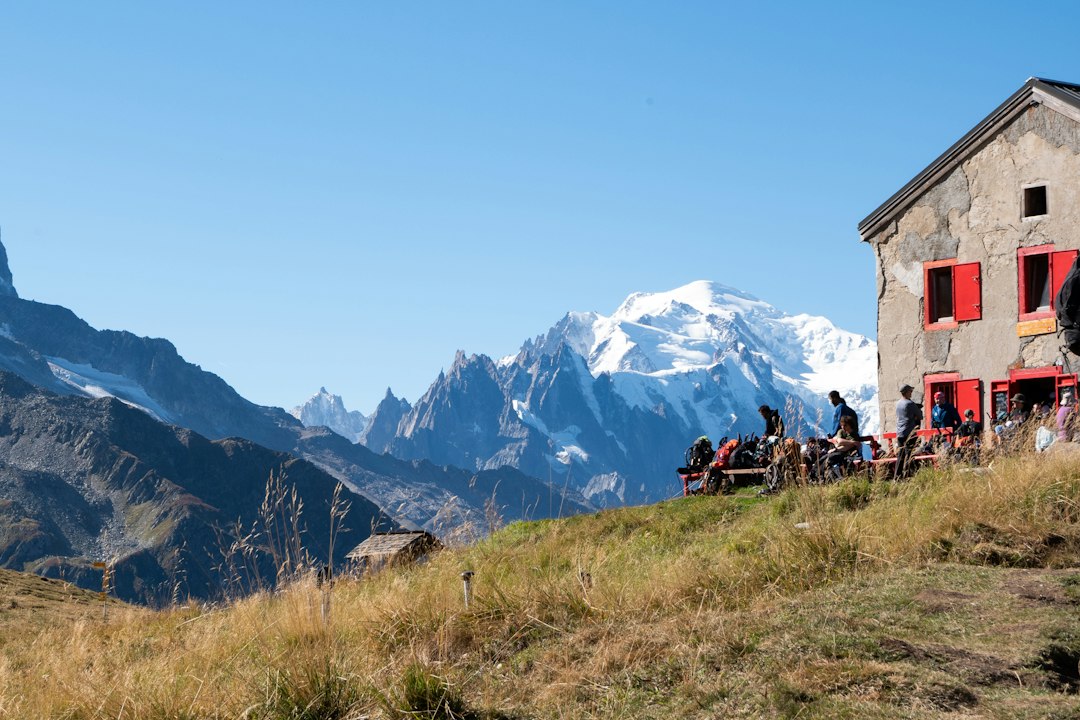
Picture a log cabin at the foot of Mont-Blanc, where two terraces face the Aiguilles and the last daylight turns granite peaks from cold gray to warm amber. Your guests are inside, gathered around a fire pit with mulled wine, and the only sound between toasts is the glacier wind moving down the valley. This is what Chamonix wedding venues promise, and most of what you have read stops there, at the romance. What the photographs do not show is the altitude your 75-year-old grandmother will breathe at dinner, the road that closes when snow blocks the Col des Montets, and the vendor pool that is excellent but small enough that the right florist is booked nine months ahead. This guide goes past the views to the logistics that determine whether a Chamonix celebration feels effortless or exhausting.
Chamonix is not a typical French wedding destination. There are no châteaux with manicured lawns, no lavender fields, no vineyard estates with imposed caterers pouring estate-grown wine. What Chamonix offers instead is a setting no other French region can replicate: a town at 1,035 metres elevation, dominated by the Mont-Blanc massif, where the architecture is Savoyard chalet and granite rather than tuffeau stone and slate. The venues fall into three categories: standalone restaurant-chapters like the Cabane des Praz, full hotel buyouts like the Les Grands Montets Hôtel and Spa or the Hameau Albert 1er, and private chalet hamlets like Les Rives d’Argentière. Each handles the tension between rustic alpine charm and five-star service differently, and understanding those differences is what separates a wedding that feels like a luxury mountain escape from one that feels like a ski lodge dinner.
If you are still deciding whether the Alps are the right region for you at all, our guide to wedding locations across ten French regions places Chamonix in context alongside Provence, the Loire Valley, Bordeaux, and the other major destinations. For couples already committed to the mountains, what follows is the deep dive.
Why Chamonix Deserves a Place on Your Shortlist
Chamonix is the only French wedding destination where the landscape is the entertainment. A Provençal estate requires you to program a weekend: welcome dinner, pool party, excursion to a local market. Chamonix hands your guests a built-in activity programme the moment they arrive. In winter, the ski lifts at Brévent, Flégère, and Les Houches are minutes from the town centre. In summer, hiking trails leave directly from Chamonix, the Montenvers cogwheel train climbs to the Mer de Glace glacier, and paragliders launch from the Aiguille du Midi cable car. Guests who travel for a Chamonix wedding are not arriving for a single evening. They are arriving for a mountain weekend, and the venue you choose should support that multi-day format rather than just a Saturday-night reception.
The practical advantage that makes Chamonix work for international couples is proximity to Geneva Airport, 88 kilometres away by the A40 autoroute. The drive is roughly one hour and fifteen minutes on a clear road, with daily shuttle transfers available. No internal flights, no ferry connections, no multi-train logistics. Guests can land in Geneva and be in the mountains by early afternoon, which reduces the travel friction that makes other destination weddings exhausting for older attendees.
The tradeoff is that Chamonix is a working ski resort, not a curated wedding estate. The town has restaurants, bars, and shops that serve tourists, not just your wedding party. This means your celebration exists within a living mountain community rather than behind the walls of a private château. For couples who want total privacy and exclusive-use isolation, certain French venues offer complete domain privatization that Chamonix’s hotel and restaurant venues cannot fully match. What Chamonix gives you instead is authenticity: a mountain town where the chalet smoke rises and the cable cars turn, and your wedding feels like part of a place rather than a staged event dropped into one.
Venue Styles: From Savoyard Chalets to Grand Hotels
Chamonix venues divide into three distinct categories, each with a different relationship to the rustic-versus-refined tension that defines Alpine weddings. Understanding which category fits your vision before you start comparing individual properties saves months of misdirected research.
The Restaurant-Chapter: Cabane des Praz
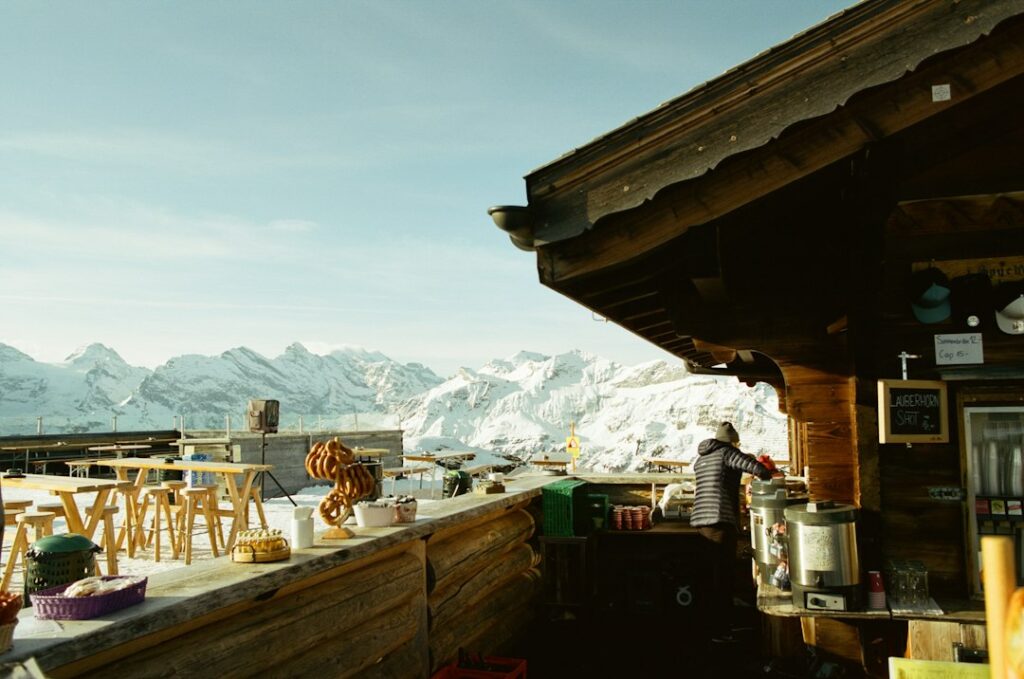
Picture a Finnish-style log chalet on the edge of the Chamonix golf course, where two terraces face the Mont-Blanc massif and the Flégère ski area rises behind the trees. Cabane des Praz is the venue most couples picture when they imagine a Chamonix wedding: wood, stone, fire, and mountain. The indoor dining room seats 90 guests, with total capacity reaching 220 across all spaces including the terraces. The venue is fully privatisable for one event at a time, with dancing until 4 AM and year-round availability.
Venue privatization starts at approximately €10,000 TTC, which includes furniture, sound system, lighting, and kitchen facilities. The full catering package shifts to per-person pricing: €20,000 TTC for 80 guests, with €250 per additional guest beyond 80. Menu tiers range from €250 to €1,000 per person depending on the gastronomic level you choose. This is a venue that can scale from an intimate 20-guest dinner to a 220-person party, but it does not provide on-site accommodation. Guests stay in Chamonix hotels or chalets, which means shuttle transport is a line item to budget.
What it does well: the most photogenic rustic-chalet setting in the valley, with genuine Mont-Blanc terrace views and a kitchen that focuses on local, seasonal produce. What to watch for: no on-site accommodation, so the venue functions as an event space rather than a residential estate. If your vision includes everyone staying under one roof for the weekend, pair Cabane des Praz with a chalet hamlet for accommodation rather than scattering guests across hotels.
The Full Hotel Buyout: Les Grands Montets Hôtel and Spa
For couples who want the residential weekend format, a full hotel buyout is the strongest structural fit. Les Grands Montets Hôtel and Spa, a 4-star mountain chalet at the foot of the Grands Montets ski area in Argentière, offers 39 rooms and suites sleeping up to 117 guests. The main reception room seats 100 for dinner with standing capacity of 120, and an outdoor marquee in the garden extends capacity for larger celebrations. A lounge bar with fireplace serves as a cosy drinks space, and a dedicated dance floor keeps the party going late.
Privatization starts from €17,000, which includes all 39 rooms, the wellness area (sauna, hammam, outdoor jacuzzi, indoor pool), the banquet room with furniture for 70 guests, the bar and salon, and the terrace and garden. What sits outside the hire: food, beverages, tableware, table service, and linens. Additional furniture rental is needed beyond 70 guests. This is a dry-hire-plus-accommodation model: you get the space and the beds, but you build the catering and service from scratch.
What it does well: the largest on-site accommodation capacity among Chamonix hotel venues, with genuine ski-in convenience for winter weddings and a wellness facility that gives guests a reason to stay on the property between events. What to watch for: the dry-hire catering model means you are sourcing food, drink, and service independently, which requires a planner who knows the Chamonix vendor landscape. For couples who want an all-inclusive package with imposed catering, this venue gives more freedom but demands more coordination.
The Five-Star Relais and Châteaux: Hameau Albert 1er
At the opposite end of the service spectrum from the dry-hire model, Hameau Albert 1er is a 5-star Relais and Châteaux property a five-minute walk from Chamonix centre, surrounded by approximately one hectare of gardens. The estate includes 37 rooms, suites, and independent chalets, a spa called Le Bachal with indoor and outdoor heated pools facing Mont-Blanc, sauna, hammam, and jacuzzi. The main event space, Le Fenil, is a 90-square-metre room inspired by a traditional barn, with floor-to-ceiling windows overlooking the gardens and seating up to 80 for cocktails or 60 for a banquet.
What distinguishes Hameau Albert 1er is the level of integrated service. The property operates as a full luxury hotel, meaning the catering, service staff, spa, and accommodation are all in-house. The gardens host outdoor ceremonies with the Alpine summits as backdrop, and the indoor space provides a warm weather backup without leaving the property. Guest capacity for weddings is listed at approximately 50, which positions this venue firmly in the intimate-celebration category rather than the large-reception one. Pricing is arranged on request, tailored to the scope of the event and the season.
What it does well: the most refined service infrastructure in Chamonix, with a Relais and Châteaux standard of hospitality that handles the rustic-versus-luxury tension by simply delivering both at a high level. What to watch for: the seated capacity of 60 in Le Fenil limits this venue to smaller weddings. For a 100-guest celebration, you would need to use the gardens extensively or look elsewhere. The in-house model also means less creative freedom over catering than a dry-hire venue offers.
The Private Chalet Hamlet: Les Rives d’Argentière
A collection of four connected chalets in the village of Argentière, near the Grands Montets ski area, Les Rives d’Argentière offers something the hotel venues cannot: a fully private hamlet where your entire party lives together for the weekend. The estate sleeps 50 guests across 21 bedrooms and 1,050 square metres of space, with a swimming pool, cinema room, and wellness area including sauna and hammam. Every configuration is let exclusively, so you never share the estate with anyone else.
The reception room accommodates 50 seated guests, and the hamlet operates as a self-contained celebration space: welcome drinks on the terrace, dinner in the reception room, dancing in the connected lounge spaces, and everyone retiring to bedrooms within the same property. Pricing ranges from approximately €8,000 to €20,000 depending on configuration and season. The events team provides coordination support and connects couples with local catering and service partners.
What it does well: the strongest venue for couples who want a residential, family-gathering format where every guest stays on-site and the celebration unfolds across multiple days in a single private location. What to watch for: the 50-guest maximum means this is exclusively an intimate-wedding venue. The hamlet model also requires more self-directed planning than a full-service hotel, since you are coordinating caterers, florists, and service staff rather than working with an in-house team. For couples exploring small luxury venues for intimate French weddings, this is one of the most distinctive options in the Alps.
The High-Altitude Icon: Refuge du Montenvers
The most unconventional venue in the Chamonix valley sits at 1,913 metres above sea level, accessible only by the famous red cogwheel train that climbs from Chamonix in 20 minutes. The Refuge du Montenvers is a historic mountain refuge at the foot of the Mer de Glace glacier, with 18 rooms and suites, a restaurant seating 100 guests, and a terrace for 120 standing. After the last train descends in the evening, the site achieves a level of isolation and exclusivity that no valley-floor venue can match: your wedding party is alone above the glacier, with the Drus and the Grandes Jorasses as backdrop.
Venue hire alone starts at approximately €800, but the full wedding package runs €25,000 to €50,000 total, including privatization, accommodation, breakfast, catering, drinks, train tickets, and tourist tax. Per-head pricing ranges from €500 to €1,000, with a minimum of 40 guests. What is not included: decoration, florist, and DJ. The access logistics are the defining feature and the defining constraint. Every guest, every vendor, and every piece of equipment must arrive by the cogwheel train, which means tight coordination around the train schedule and careful planning for guests with mobility limitations.
What it does well: the most dramatic, most exclusive wedding setting in the Chamonix Valley, with a level of isolation that creates a genuinely unforgettable experience. What to watch for: the 1,913-metre altitude is nearly double the valley floor and requires real consideration for older guests and anyone with respiratory or cardiac conditions (more on this below). The train-only access means weather cancellations can strand the party, and the departure window is fixed by the last train schedule. This venue rewards adventurous couples with fit, mobile guest lists and punishes anyone who treats the logistics as an afterthought.
Summer or Winter: Choosing Your Chamonix Season
Chamonix is the only French wedding destination where the season fundamentally changes the venue experience rather than just the weather. A summer wedding at Cabane des Praz and a winter wedding at the same venue share a building but share almost nothing else: the light, the temperature, the ceremony location, the guest attire, and the photographic palette are all different. Most French regions offer a gradient from warm to less warm. Chamonix offers a binary: green valley or snow globe, and you must choose deliberately rather than defaulting to the conventional June-to-September window.
Summer: June Through September
Summer is when Chamonix shows its softer face. Valley temperatures run 15 to 25 degrees Celsius, daylight stretches past 9 PM, and the meadows above the town fill with wildflowers. Every cable car, hiking trail, and mountain attraction is open, which means your guests have a full menu of activities for a multi-day weekend. The Montenvers train runs on its full schedule, and the terraces at Cabane des Praz and the gardens at Hameau Albert 1er become viable ceremony spaces.
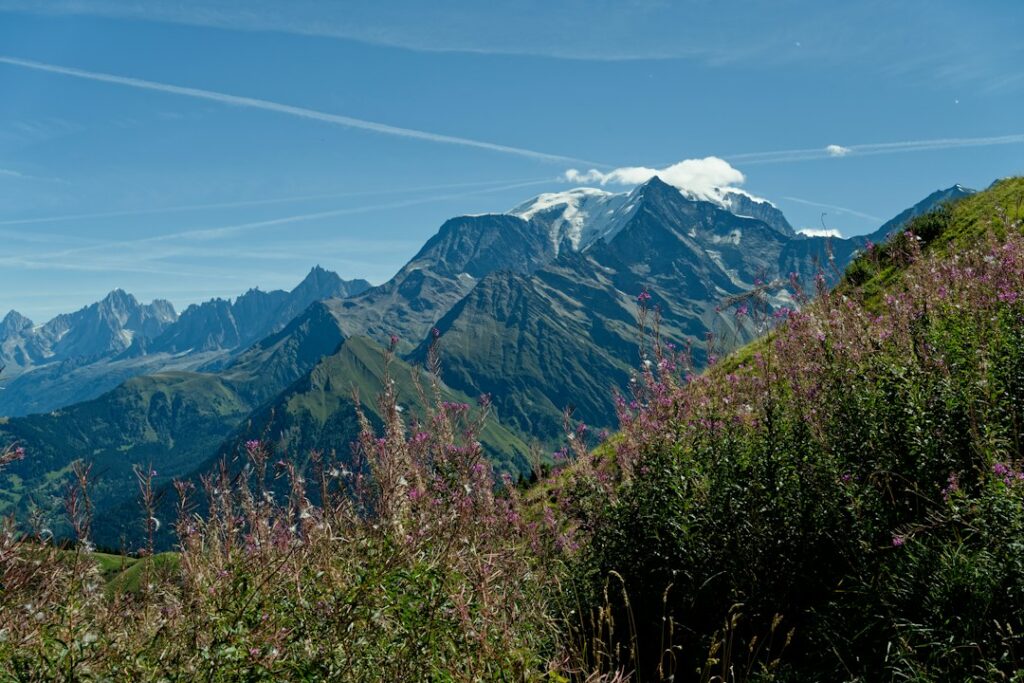
The tradeoff is that summer is peak tourist season in Chamonix. The town fills with hikers, climbers, and paragliders, which means hotel rooms are more expensive and harder to book, restaurant reservations require advance planning, and the cable car queues can be long. July and August bring the heaviest crowds. June and September are the sweet spots: warm enough for outdoor ceremonies, with thinner tourist pressure and slightly better accommodation availability. If your heart is set on a terrace ceremony with the Aiguilles behind you and wildflowers in the foreground, aim for late June or early September.
Winter: December Through March
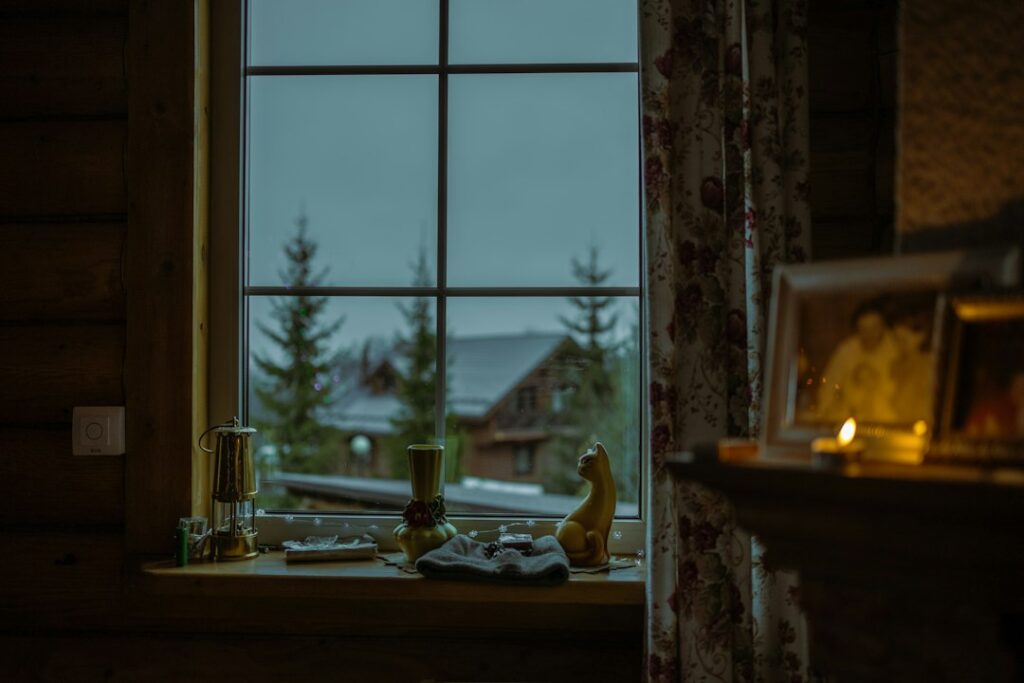
A winter Chamonix wedding is a snow-globe reception: candlelight inside a wood-paneled chalet, snow falling outside, and the Mont-Blanc massif visible through frosted windows. The aesthetic is undeniable, and for couples who ski, the built-in weekend activity is unmatched. Your guests arrive Thursday, ski Friday, celebrate Saturday, and ski Sunday. The format is so natural that it barely needs programming.
The best months for winter weddings are January and March, avoiding the Christmas and New Year period and the February school holidays when the resort is at maximum capacity and hotel rates peak. January offers the deepest snow and the fewest tourists, but the days are short, with sunset before 5 PM and temperatures that can drop well below freezing. March brings longer daylight, slightly milder temperatures, and better conditions for guests who want to ski but are not experts.
What every winter couple must plan for: the Mont Blanc Tunnel road regulations require all vehicles to carry snow chains or be equipped with four winter tires from November 1 through March 31. The Col des Montets at 1,461 metres, the pass connecting Chamonix to Switzerland, can close during heavy snowfall or avalanche risk, which affects any guests approaching from the Swiss side. And short daylight hours mean your ceremony timing needs to work with the light, not against it. An outdoor ceremony at 4 PM in January is a ceremony in darkness.
Season Comparison at a Glance
| Factor | Summer (Jun-Sep) | Winter (Dec-Mar) |
|---|---|---|
| Valley temperature | 15 to 25 degrees Celsius | -5 to 5 degrees Celsius |
| Daylight hours | Long, sunset past 9 PM | Short, sunset before 5 PM in December |
| Ceremony setting | Outdoor terraces, gardens, meadows | Indoor chalet rooms, fireside |
| Guest activities | Hiking, cable cars, paragliding | Skiing, snowboarding, dog sledding |
| Accommodation rates | Peak in July and August | Peak in Christmas week and February holidays |
| Best months | Late June, early September | January, March |
| Road conditions | Clear, all routes open | Snow chains or winter tires mandatory Nov 1 to Mar 31; Col des Montets may close |
| Photographic palette | Green valleys, blue sky, wildflowers | White snow, dark timber, warm interior light |
| Altitude consideration | Minimal at valley venues | Cold intensifies at altitude; plan for indoor warmth |
| Venue availability | Book 12 to 18 months ahead | Book 9 to 12 months ahead; less competition than summer |
Practical Realities of a High-Alpine Wedding
The logistics that make or break a Chamonix wedding are not the ones couples usually think about. They are not about floral budgets or menu selections. They are about altitude, access, and a vendor pool that is small enough to require early commitment. These are the factors that generic venue lists omit, and they are the ones that separate a celebration that feels seamless from one that feels like a constant battle against the mountain.
Altitude and Your Older Guests
Chamonix town centre sits at 1,035 metres, which is moderate altitude and generally well-tolerated by healthy adults. The CDC considers altitude illness risk to become significant at sleeping elevations above 2,440 metres, and Chamonix Valley venues are below that threshold. However, the Refuge du Montenvers at 1,913 metres is close enough to the concern zone that older guests, guests with cardiac or pulmonary conditions, and guests with sleep apnea warrant real consideration. Research on elderly altitude exposure published in PubMed shows that even moderate altitude can provoke reduced exercise capacity and mild hypoxemia in older adults, though healthy individuals acclimatize within a few days.
Practical guidance: if your guest list includes anyone over 70 or anyone with a known heart or lung condition, choose a valley-floor venue (Cabane des Praz, Hameau Albert 1er, Les Rives d’Argentière) rather than the Montenvers refuge. If you do choose a higher-altitude venue, advise guests to limit physical exertion for the first 48 hours, avoid heavy alcohol consumption on arrival day, and consult their physician before the trip if they have any underlying conditions. These are not alarmist precautions. They are the standard guidance for anyone visiting Alpine altitudes, and incorporating them into your wedding communications shows guests that you have thought about their experience, not just your photographs.
Seasonal Access Quirks
Summer access to Chamonix is straightforward: the A40 autoroute from Geneva is a clear mountain highway, and the Mont Blanc Express train connects the valley villages from Saint-Gervais to Martigny in Switzerland. Winter access requires more planning. From November 1 through March 31, French law requires all passenger vehicles to carry snow chains or be equipped with four winter tires marked with the 3PMSF and M.S. designation. Rental cars from Geneva Airport typically come equipped with winter tires, but confirm this before booking.
The Col des Montets at 1,461 metres is the critical access point. This pass connects Chamonix to Switzerland via Vallorcine and can close during heavy snowfall or avalanche risk. If any of your guests are approaching from the Swiss side, or if you are planning an excursion to Martigny or Verbier, monitor the pass status on the Chamonix tourist office website. Closures can last hours or days depending on conditions. The Mont Blanc Tunnel to Italy (20 minutes through) remains open in most conditions but can experience heavy traffic delays in peak ski season.
The Vendor Pool: Small but Specialized
Chamonix has a smaller vendor ecosystem than Provence, Paris, or the Côte d’Azur. There is one dedicated wedding florist of note (Fleuri’Cimes, rated 4.9 on Google with 98 reviews), a handful of specialist caterers including Saveurs du Mont Blanc and several private chef services, and a limited number of photographers who understand Alpine conditions. The pool is small, but the vendors who work here are specialists. They know how to secure floral installations against mountain wind, how to transport food and equipment up the Montenvers train, and how to work with the short daylight hours and variable weather that define Alpine weddings.
The practical implication is timing. In Provence, you can find a quality florist three months before a September wedding. In Chamonix, the best vendors are booked nine to twelve months ahead for peak dates, because there are fewer of them and the wedding season concentrates into fewer viable months. If you are planning a Chamonix wedding, reserve your florist, caterer, and photographer as early as you reserve your venue. The venue is not the bottleneck. The vendor pool is.
One advantage of Chamonix’s proximity to Geneva: vendors from the broader Haute-Savoie and Geneva region can travel to Chamonix for your wedding, which expands the available pool. Expect travel fees of €500 to €1,500 for vendors coming from Geneva or Annecy. This is comparable to the travel fees in rural Languedoc or the outer Luberon, and it is the cost of working in a mountain town rather than a major city.
Rustic Charm and Five-Star Service: The Dual Identity
The tension that defines Chamonix wedding venues is the gap between the rustic aesthetic couples fall in love with and the service level they expect on the day. A log cabin with exposed beams and a stone fireplace is beautiful in photographs, but if the catering is rustic to match, guests who have flown across an ocean may feel underwhelmed. Conversely, a white-glove service in a wood-paneled room can feel incongruous if the setting is not elevated to match.
The venues that handle this tension best are the ones that have built a dual identity deliberately. Hameau Albert 1er, as a Relais and Châteaux property, delivers the five-star service as a baseline and lets the mountain architecture provide the rustic charm. Cabane des Praz leans into the chalet aesthetic but backs it with gastronomy that ranges up to €1,000 per person, closing the gap between setting and service through sheer culinary quality. Les Rives d’Argentière splits the difference by offering a private hamlet where couples bring in their own caterer, allowing them to calibrate the service level to match the setting.
The question to ask of any Chamonix venue is not whether it is rustic or refined, but how it bridges the two. A venue that is all rustic and no service will feel like a ski lodge dinner. A venue that is all service and no mountain character will feel like a hotel wedding that could have happened anywhere. The best Chamonix venues are the ones where the mountain is the architecture and the service is invisible, so guests remember the fire and the peaks and the food, not the logistics that made them possible.
The VAT Question in Chamonix
The French VAT structure applies in Chamonix exactly as it does across the rest of France, and it catches the same international couples off guard. Venue hire, equipment rental, and all alcoholic beverages carry 20% VAT. Catering and food service carry 10% VAT. A venue quoting €17,000 HT for a hotel buyout becomes €20,400 TTC. A caterer quoting €12,000 HT becomes €13,200 TTC at the food rate. Across 10 to 15 vendor invoices, the cumulative VAT typically adds €3,000 to €8,000 that couples did not anticipate.
Always confirm whether a Chamonix venue quote is HT (hors taxes, before VAT) or TTC (toutes taxes comprises, VAT included) before building your budget. The Cabane des Praz publishes TTC pricing, which makes it one of the more transparent venues in the valley. Hotel buyout quotes are more frequently presented HT. Ask your planner to present all figures TTC so you are comparing real costs, not pre-tax ones.
Take the Next Step Toward Your Mountain Celebration
A Chamonix wedding is not a château wedding with mountains instead of gardens. It is a fundamentally different kind of celebration, shaped by altitude, season, and a vendor landscape that rewards early commitment. The couples who end up with the wedding they imagined are the ones who understand that the mountain is both the setting and the logistics: the same beauty that draws you to Chamonix is the beauty that requires snow chains, altitude planning, and a florist booked a year ahead. Get those decisions right, and the mountain gives you something no château or vineyard estate in France can replicate.
At Myfrancewedding, we help couples navigate the Chamonix venue landscape from the first inquiry to the final invoice, ensuring that altitude considerations, seasonal access, vendor availability, and the HT-to-TTC transition are all accounted for before you commit to a property. Contact Myfrancewedding to request dates, a tailored cost breakdown that distinguishes HT from TTC, and a curated shortlist of Chamonix venues matched to your guest count, your budget, and the emotional tone you want your mountain celebration to carry.
Frequently Asked Questions
What is the best time of year for a Chamonix wedding?
Late June and early September are ideal for summer weddings, offering warm temperatures, long daylight, and fewer tourists than July and August. For winter weddings, January and March are the best months, avoiding the Christmas rush and February school holidays when hotel rates peak and the resort is at maximum capacity.
Is the altitude in Chamonix safe for older wedding guests?
Chamonix town centre sits at 1,035 metres, which is moderate altitude and generally well-tolerated. However, the Refuge du Montenvers venue sits at 1,913 metres, which warrants caution for guests over 70 or anyone with cardiac or pulmonary conditions. Choose a valley-floor venue if you have concerns, and advise older guests to limit exertion for the first 48 hours.
How do guests get to Chamonix for a wedding?
Geneva Airport is 88 kilometres away, roughly a one-hour-and-fifteen-minute drive on the A40 autoroute. Daily shuttle transfers are available. In winter, all vehicles must carry snow chains or be equipped with four winter tires from November 1 through March 31, and the Col des Montets pass can close during heavy snowfall.
Do Chamonix wedding venues provide on-site accommodation?
It depends on the venue. Les Grands Montets Hotel and Spa sleeps up to 117 guests across 39 rooms, Hameau Albert 1er has 37 rooms and suites, and Les Rives d’Argentiere sleeps 50 in a private hamlet of four chalets. Cabane des Praz and the Refuge du Montenvers have limited or no on-site accommodation, so guests stay in Chamonix hotels with shuttle transport.
What is the difference between HT and TTC pricing at Chamonix venues?
HT (hors taxes) means the price excludes VAT. TTC (toutes taxes comprises) means VAT is included. Venue hire and alcoholic beverages carry 20% VAT, while catering and food service carry 10%. A quote of 17,000 euros HT becomes 20,400 euros TTC. Always confirm which applies before budgeting, as the cumulative VAT across all vendors typically adds 3,000 to 8,000 euros.