Château de Varennes Burgundy: Is It Your Venue?
-
myfrancewedding.com
- Wedding VenuesWeddings
- 11

Picture an 18th-century Burgundian estate where century-old sequoias cast shade over a formal French garden, a Romanesque chapel holds silence between its stone walls, and the rolling countryside of the Saône-et-Loire stretches toward the Côte d’Or hills in the distance. That is Château de Varennes, a family-owned estate in the Burgundy countryside that has been in the same family for over 400 years and was named by CNN among the top ten best wedding venues worldwide. For couples who want their wedding rooted in Burgundy’s terroir rather than staged against a generic château backdrop, this is a venue where the region’s gastronomic identity and wine culture shape the celebration itself, from the resident chef’s garden-to-table cooking to the estate’s own wine guidebook helping you choose between Côte de Nuits and Côte de Beaune. This guide walks through what makes Château de Varennes Burgundy distinct, from its spaces and capacities to its catering model and seasonal rhythms, so you can decide whether it fits your vision before you inquire.
Discovering Château de Varennes: Setting & Character
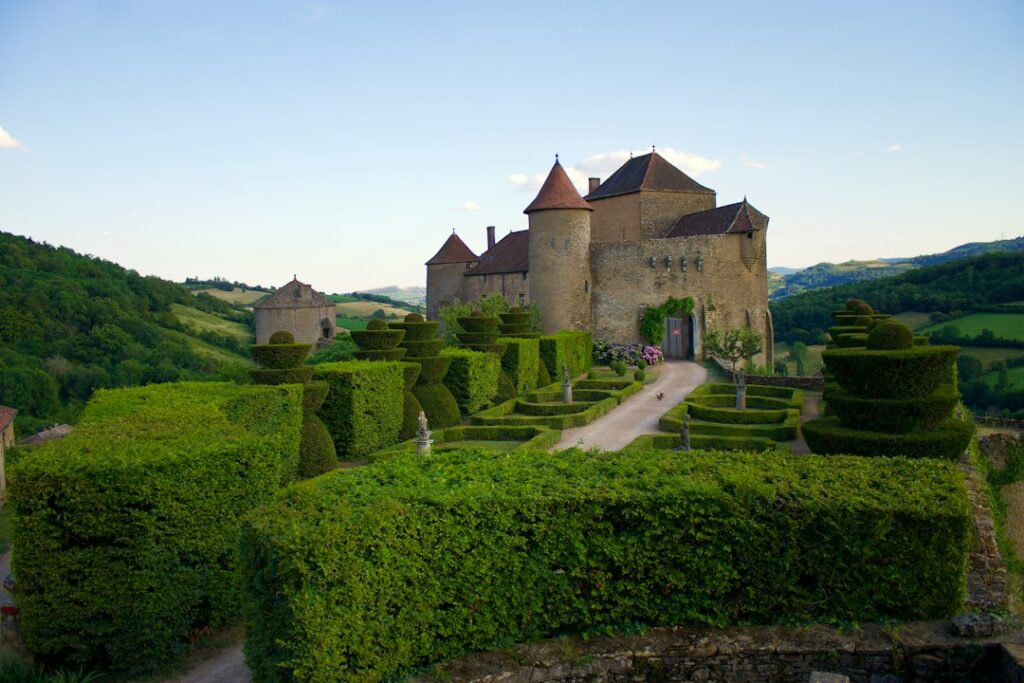
The estate sits in the Burgundy countryside in Charette-Varennes, a small village in the Saône-et-Loire department near the Doubs river. This is not the manicured, instantly photogenic landscape of Provence or the dramatic Mediterranean shore of the Côte d’Azur. Burgundy’s beauty is quieter and rewards a different kind of attention: rolling fields, stone farmhouses, and the sense that the land has been shaped by centuries of agriculture and viticulture rather than by tourism. For couples who want their guests to experience the real Burgundy, not a postcard version of it, this setting is authentic rather than performative.
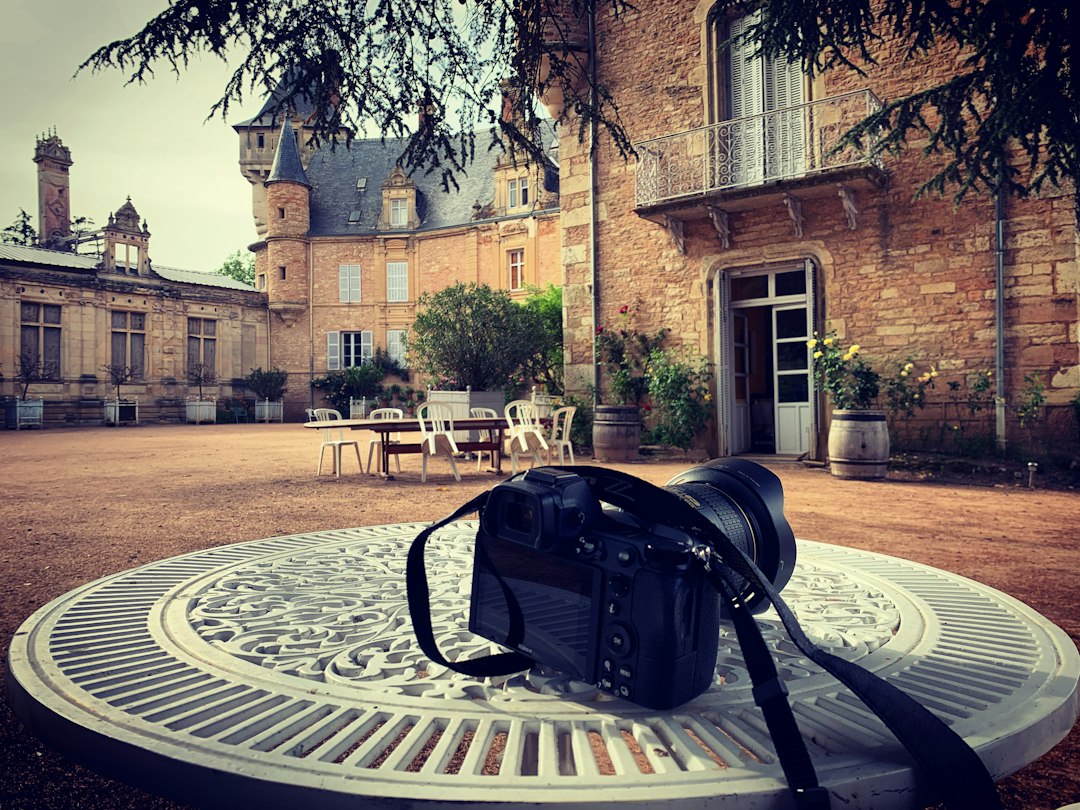
The château itself dates to the 18th century, built from 1730 to replace a former feudal fortress whose triple moat and medieval tower stood on the site until the late 1700s. The estate was enlarged between 1809 and 1829 by the de Truchis family, who have owned the property since the early 1600s. In 2021, the château was inscribed as a Monument Historique, recognizing its architectural and historical significance. The interiors have been fully refurbished with modern heating, plumbing, and electrical systems while preserving the ancient character of the stone walls, original frescoes, and period tapestries.
The five-hectare enclosed park is what gives the estate its sense of seclusion. Century-old sequoias and cedars of Lebanon tower over a French-style garden with a basin, fountains, and water jets. An organic vegetable garden and orchard supply the kitchen. A heated outdoor pool, tennis court, and children’s play area extend the estate beyond ceremony and dinner into a genuine weekend retreat. Lavender borders frame sections of the garden, giving the grounds a sensory register that shifts with the seasons: herbal and green in spring, golden and fragrant in high summer, amber and russet in autumn.
The chapel is the estate’s architectural surprise. Built between 1913 and 1923, it was designed in the Burgundian Romanesque tradition, drawing inspiration from Clunisian art, the same medieval monastic aesthetic that shaped the Abbey of Cluny a short drive away. It seats 80 guests and can host fully official Christian ceremonies (Catholic, Protestant, Orthodox) as well as symbolic blessings, both indoors and in the gardens. For couples planning a destination wedding where the ceremony venue and reception venue are the same place, eliminating the need for guest transport between church and château, this on-site chapel is a significant logistical advantage.
What to watch for: the château is about 30 minutes by car from the Beaune vineyards and roughly 45 minutes from the Côte Chalonnaise wine villages. The immediate surroundings are Burgundy countryside and the estate’s own parkland, not working vineyards. If your vision requires vineyard rows visible from the ceremony lawn, this property will not deliver that in the way a Médoc estate in Bordeaux would. What it delivers instead is a Burgundian estate experience rooted in gastronomy, wine culture, and a family’s 400-year stewardship of the land. For couples still weighing which French region matches their vision, our guide to choosing your wedding venue château region in France places Burgundy in context alongside Provence, the Loire, Bordeaux, and beyond.
Spaces for Your Ceremony, Reception & Stay
Château de Varennes offers a sequence of indoor and outdoor spaces that can be configured for celebrations from intimate gatherings of under 50 guests up to 200 seated for dinner. The estate operates on an exclusive-use basis: when you book, the entire property is yours, with no shared spaces or other events on-site. There is no time limit for parties, which is rare in France and means your dancing can run as late as your guests want it to.
The Orangery: Your Reception Hall
The Orangery is the estate’s primary reception space, recently renovated to seat up to 200 guests in a single room. This is one of the larger single-room seated capacities among French château wedding venues, and it means your dinner and dancing happen in one continuous space rather than fragmented across multiple salons. A ceiling-mounted video projector is available, and the room is heated and air-conditioned, making it viable for year-round use. For larger functions above 200, the estate can install a marquee in the gardens.
The Chapel: Ceremony On-Site
The Romanesque chapel seats 80 guests for a seated ceremony or holds 100 standing. It hosts Catholic, Protestant, and Orthodox ceremonies as well as secular and symbolic blessings. The estate can provide contact details for priests and celebrants who have performed ceremonies there before. Larger churches with 300+ seats are available in nearby villages for couples who need a bigger ceremony space. Having the ceremony on-site eliminates the logistics of transporting guests between a church and the reception venue, which in rural Burgundy can mean a 20-minute drive each way.
Gardens, Terraces & Outdoor Spaces
The gardens accommodate ceremonies for up to 200 guests and cocktails for unlimited numbers, with century-old trees providing natural shade. The pool terrace, adjacent to the Orangery, is the natural setting for welcome BBQs on Friday evening and farewell brunches on Sunday morning, with a heated pool available for guests throughout the weekend. A second terrace faces the Orangery and serves as an al fresco dining option for couples who want dinner outdoors. The main château lounges can also host ceremonies for up to 200, serving as a weather backup when the gardens are not viable.
Accommodation: 27 Bedrooms, 60 Guests
The estate has 27 bedrooms and 24 bathrooms across three building groups. The main château houses 17 bedrooms and 14 bathrooms, including an ultra-luxury honeymoon suite, two family suites (five bedrooms total), six Deluxe suites, three Superior double bedrooms, and two Classic rooms. The outbuildings add five rooms with marble bathrooms and Hermès fabrics. Six newer bedrooms with ensuite bathrooms in the cottages complete the capacity. With extra beds added to the most spacious rooms, the estate sleeps up to 60 guests.
Here is the accommodation gap that defines your planning: the château seats 200 for dinner but sleeps 60. A 60-guest wedding means everyone stays on-site, and the weekend becomes genuinely residential: welcome dinner Friday, celebration Saturday, brunch Sunday, all unfolding without anyone needing to drive. A 200-guest wedding means 140 people need hotel rooms elsewhere. The estate provides a list of nearby B&Bs and hotels, including two B&Bs within a five-minute walk (accommodating approximately 40 extra guests), a cousin’s château B&B in a nearby village (30 guests), and a four-star hotel with 40 rooms five minutes away by car. Burgundy is a touristy region, so the estate urges couples to have guests book overflow accommodation early.
For couples planning an intimate wedding where everyone stays on-site, this venue at 60 guests is structurally at its best. The spaces feel full rather than echoing, and the weekend unfolds as a private house party rather than a staged event. For a broader look at venues built for this scale, our guide to small luxury wedding venues for intimate French weddings profiles estates across France designed for 30 to 60 guests.
| Space | Type | Seated Capacity | Ceremony / Cocktail | Best For |
|---|---|---|---|---|
| Orangery | Indoor | 200 | 200 (cocktail) | Reception dinner, dancing, large-scale celebration |
| Chapel | Indoor | 80 | 100 (ceremony) | Religious and symbolic ceremonies |
| Gardens | Outdoor | 200 (ceremony) | Unlimited (cocktail) | Outdoor ceremony, cocktail hour, photos |
| Pool Terrace | Outdoor | Dining / cocktails | Cocktails, brunch | Welcome BBQ, farewell brunch, poolside lounging |
| Orangery Terrace | Outdoor | Dining / cocktails | Al fresco dining | Outdoor dinner, cocktail hour |
| Château Lounges | Indoor | 200 (ceremony) | Reception | Ceremony backup, receptions, indoor cocktail |
| Marquee (optional) | Outdoor | 200+ | Scalable | Guest counts above 200, large outdoor functions |
Burgundy at Your Table: Wine, Cuisine & Local Partners
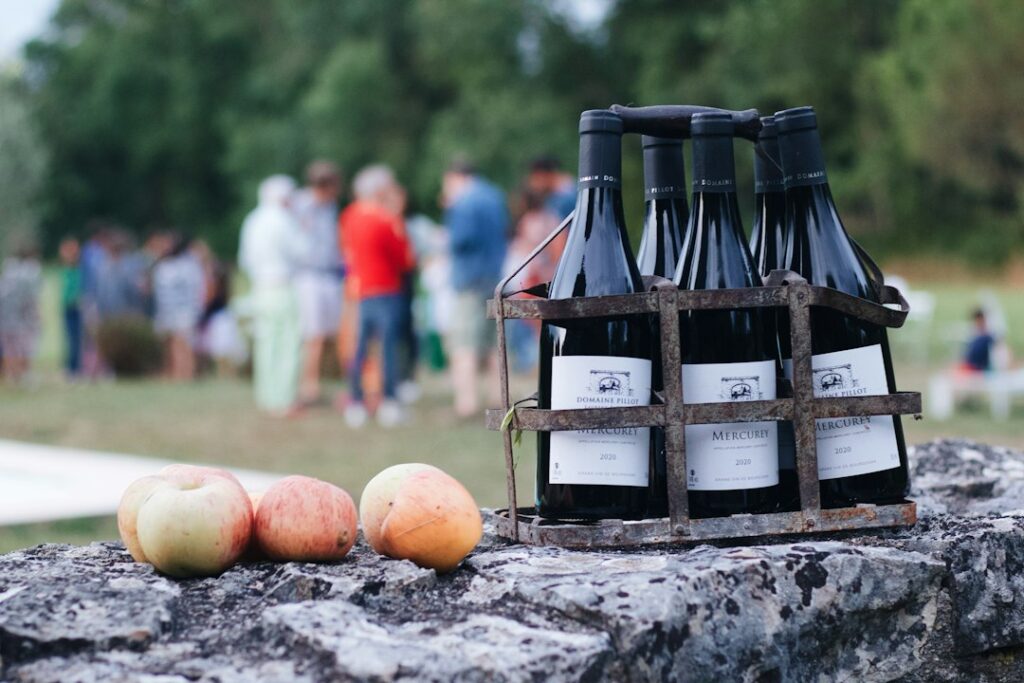
This is where Château de Varennes distinguishes itself from châteaux that treat food and wine as a logistical line item. The estate’s catering is managed in-house by a resident chef and brigade trained in Michelin-starred restaurants, using fresh produce from the estate’s own organic vegetable garden and orchard. You cannot bring an external caterer. But you can bring your own wine, with a corkage fee, and the estate provides a wine guidebook to help you navigate Burgundy’s appellations.
The Resident Chef: Garden-to-Table Catering
The estate’s head chef and team cook all meals on-site using fresh, often organic produce, some harvested directly from the estate’s own gardens. The kitchen can cater everything from a casual welcome BBQ to a sophisticated multi-course dinner, and accommodates all dietary requirements including vegan, gluten-free, and dairy-free. The chefs are also flexible in cuisine style: French, Mediterranean, fusion, Asian, and Indian menus are all within their repertoire. An all-inclusive full boarding package is available, giving couples complete visibility on food costs before the stay, with food charges billable to individual guests through the estate’s online platform.
What to watch for: the in-house catering model means you are locked into the estate’s culinary team. You cannot commission a specific outside chef or bring in a caterer of your choosing. The tradeoff is that the chef’s familiarity with the kitchen, the estate’s produce, and the venue’s logistics means the food quality is consistently high and the service is seamless. Guest reviews frequently cite the food as the best wedding food they have experienced. If having full creative control over your menu and chef is a priority, this model may feel restrictive. If you want a chef who knows the kitchen and cooks from the garden outside it, this is exactly the model that delivers.
Wine: Burgundy’s Appellations at Your Table
Burgundy is one of the world’s great wine regions, and the estate positions wine as a central element of the wedding experience rather than an afterthought. The château provides a detailed wine guidebook that helps couples choose wines for their reception, with guidance on pairing Burgundy’s Pinot Noir and Chardonnay with different menu types. For a hearty meat course, the guidebook suggests a robust Côte de Nuits red like Gevrey-Chambertin. For duck, chicken, or fish, a lighter Côte de Beaune red like Volnay or Savigny-lès-Beaune. For whites, richer styles from Chassagne-Montrachet or Puligny-Montrachet, or lighter options from Meursault or Saint-Aubin.
The estate can suggest wines to pair with your meals, or you can bring your own bottles if you are knowledgeable about wine, with a corkage fee. This is a significant advantage: Burgundy offers exceptional wines at cellar-door prices that are far below what you would pay for the same bottles through a venue’s wine program. The guidebook also recommends Crémant de Bourgogne, the region’s traditional-method sparkling wine, as a value alternative to Champagne for toasts and dessert pairings.
What to watch for: the corkage fee is not published in the estate’s publicly available materials. Always ask for the specific per-bottle charge before building your wine budget, and compare the total cost of buying wine directly from producers plus corkage against the estate’s suggested wine packages. For a 100-guest wedding consuming three glasses of wine per person, the difference between a low and high corkage fee can amount to hundreds of euros. The difference between a venue that lets you source your own wine and one that requires you to buy through its program is the difference between paying producer prices and paying hospitality markups.
VAT: The Hidden Cost in French Wedding Quotes
This is where most international couples get caught. French quotes are frequently presented HT (hors taxes, before VAT), and the VAT is added on the final invoice. The rates are not uniform across your wedding: venue hire, equipment rental, and all alcoholic beverages carry a 20% VAT rate, while catering and food service carry 10%. A venue quoting €19,500 HT becomes €23,400 TTC once the 20% VAT is applied. A caterer quoting €12,000 HT becomes €13,200 TTC at the food rate. Across 10 to 15 vendor invoices, the cumulative VAT typically adds several thousand euros that couples did not anticipate. Always confirm whether a price is HT or TTC before building your budget, and ask the estate to present all figures TTC so you are comparing real costs, not pre-tax ones.
Guest Experience: Exploring the Côte Chalonnaise
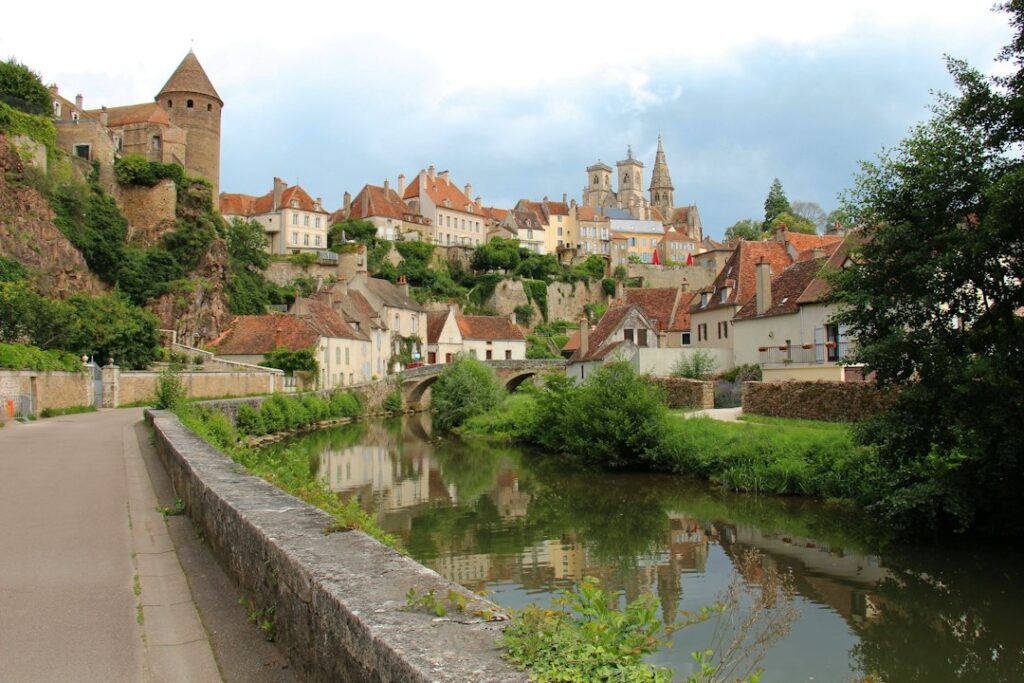
The Côte Chalonnaise, Burgundy’s quieter wine road, lies about 45 minutes by car from the château and makes an exceptional pre-wedding or post-wedding excursion for guests who want to experience Burgundy’s wine culture firsthand. Running 25 kilometers from north to south between the Côte de Beaune and the Mâconnais, the Côte Chalonnaise comprises five village appellations: Bouzeron, Rully, Mercurey, Givry, and Montagny. The region is known for having fewer visitors than the Côte d’Or and offering unhurried tastings at domaines where the winemaker may pour the wine personally.
Which Village for Which Guest
The five appellations each have a distinct character, and understanding the difference helps you plan a wine tour that matches your guests’ interests. Mercurey is the largest vineyard of the Côte Chalonnaise and its red-wine heart, producing Pinot Noirs known for structure and aging potential. Givry, by legend the favorite red of Henri IV, is a small wine town with 18th-century gates and a round market hall, ideal for a lunch stop paired with its supple reds. Rully produces crisp whites and is the cradle of Crémant de Bourgogne, with a 12th-century château overlooking the vines. Montagny, at the southern end, produces white wines only, Chardonnay grown on the hillsides around the walled town of Buxy. Bouzeron is the only village appellation in Burgundy made entirely from Aligoté, Burgundy’s other white grape, found nowhere else as a village-level wine.
Beaune: Burgundy’s Wine Capital
Beaune, about 30 minutes from the château, is the undisputed capital of Burgundy’s wine trade and a essential stop for any guest who wants to understand the region’s culture. The Hospices de Beaune, the 15th-century Hôtel-Dieu with its iconic multicolored tile roofs, is Burgundy’s most emblematic building and houses an internationally renowned wine estate whose cuvées are auctioned every year on the third Sunday of November. The Cité des Climats et vins de Bourgogne, opened in 2023, offers an immersive tour through Burgundy’s terroir with tasting workshops and a wine bar. The Climats du vignoble de Bourgogne, the region’s vineyard landscapes classified as a UNESCO World Heritage site since 2015, are accessible by bike from Beaune along the Voie des Vignes. For non-wine-focused guests, the Fallot mustard factory offers an interactive tour of Burgundy’s IGP-labeled mustard production, and Beaune’s medieval ramparts and half-timbered houses make the town worth a half-day stroll regardless of wine interest.
Designing the Weekend for Your Guests
The residential weekend format is where a Burgundy wedding at Château de Varennes outperforms a single-evening event. With a minimum two-night stay (three nights in high season), the celebration naturally extends across multiple days. A practical structure: Friday arrival with a welcome BBQ on the pool terrace, Saturday morning wine tour to the Côte Chalonnaise or Beaune for guests who want it, Saturday evening ceremony in the chapel or gardens followed by dinner in the Orangery, and Sunday brunch on the pool terrace before departure. The château’s welcome book includes detailed wine maps and local activity recommendations for guests who want to explore independently.
What to watch for: the château’s kitchen is fully equipped for up to 40 guests, which is the base catering capacity. For larger guest counts, specific equipment must be hired on top. This is not a hidden cost, but it is a cost that does not appear in the headline venue hire figure. Ask the estate what additional kitchen or equipment rental is required for your specific guest count before you build your budget.
Seasonal Planning: Best Months for a Burgundy Wedding
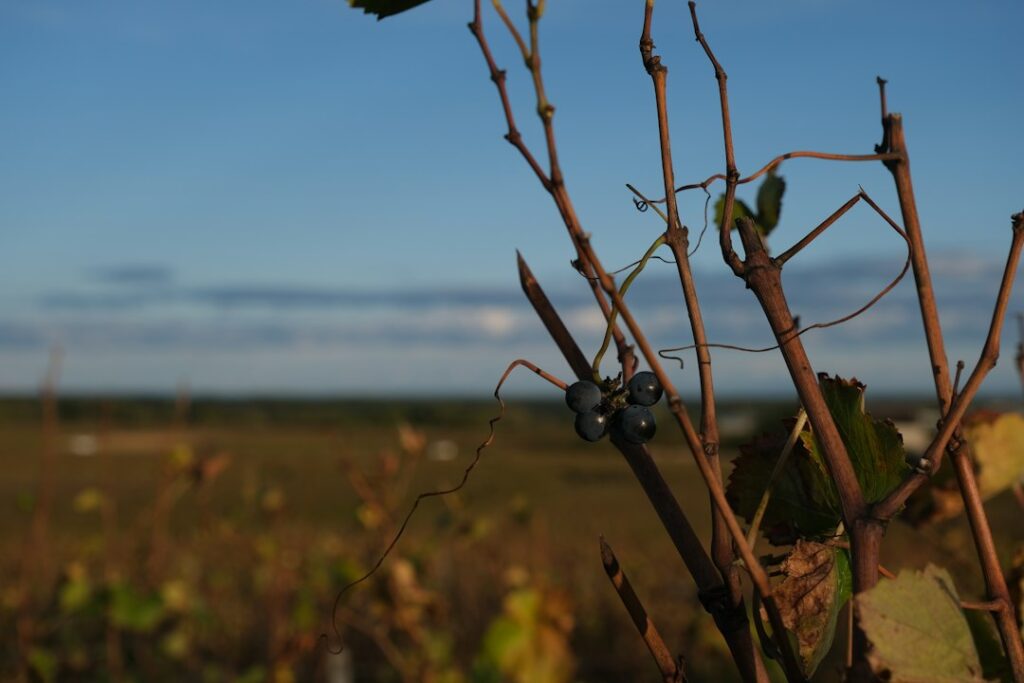
Burgundy’s continental climate gives a reliable outdoor season from May through October, with warm days and cool evenings that are ideal for al fresco dining. The château notes that air conditioning is usually not required in the main building because Burgundy benefits from a dry, warm but not excessively hot climate, though the outbuilding rooms are equipped with air conditioning as a precaution. June and September are the strongest months, each for different reasons.
June: Long Days and Fresh Vineyards
June delivers the longest daylight hours of the year, with sunset past 21:30 in Beaune, meaning your outdoor cocktail hour and dinner happen in full daylight well into the evening. The vineyards are in full leaf, deep green rows stretching across every slope, and the weather is warm without the peak heat of July and August. June is peak season, which means higher pricing and the need to book well in advance.
September: The Grape Harvest
September is the most atmospheric month for a Burgundy wedding. The grape harvest, or vendange, typically falls in September, and the vineyards are full of activity: tractors loaded with bins, workers in the rows, the smell of crushed fruit in the air at village cooperative cellars. The light turns golden, the afternoons are warm (around 20 to 24 degrees Celsius), and pricing drops noticeably from peak summer. For couples whose wedding is rooted in Burgundy’s terroir, celebrating during the harvest connects your wedding to the rhythm of the land itself. The estate is available in the off-season from November through March, with a fully modern heating system that makes winter weddings viable, though the outdoor spaces and gardens are at their least compelling during these months.
Months to Approach with Caution
July and August bring the warmest temperatures and the longest days, but they also carry peak tourist pressure in Burgundy, which affects overflow hotel availability and pricing for your guests. The Hospices de Beaune wine auction fills Beaune on the third weekend of November, making hotel rooms scarce and expensive for weeks around it. Burgundy’s continental climate also brings more rainfall than the Mediterranean south, so every outdoor ceremony plan needs a solid indoor alternative. The château offers indoor ceremony options in the Orangery and château lounges, but always confirm that your weather backup seats your full guest count before you commit to an outdoor plan.
The HT or TTC Question for Seasonal Pricing
The château’s published starting price of €19,500 for a peak-season all-inclusive wedding package may be quoted HT (before VAT). If the 20% VAT rate applies to venue hire, the TTC figure could be closer to €23,400. Always confirm whether the price you receive is HT or TTC, and ask specifically what the all-inclusive package covers: venue hire, accommodation, catering, or a combination. The minimum two-night stay in peak season (three nights in high season) means the residential weekend is built into the model, not optional. For couples comparing this venue against estates in other French regions, understanding what is and is not included in that starting figure is the first step in an accurate comparison. Our guide to wedding locations across France’s ten regions provides regional cost benchmarks that help contextualize Burgundy pricing.
Inquire About Availability at Château de Varennes
If Château de Varennes matches your vision of a Burgundy wedding rooted in terroir, gastronomy, and a family’s centuries-long connection to the land, the next step is enquiring about availability directly with the estate. The château’s rates depend on your dates, guest numbers, and the level of service required, and they prefer to arrange bespoke events tailored to your personality and budget rather than offering rigid packages. Ask for a quote that specifies whether the price is HT or TTC, what the all-inclusive package covers, what the corkage fee is per bottle, and what additional equipment or kitchen rental is needed for your specific guest count.
For couples still exploring whether Burgundy is the right region, or comparing this estate against châteaux in Provence, the Loire, or Bordeaux, the guides on Myfrancewedding walk through the regional tradeoffs, accommodation gaps, and cost structures that shape every French château wedding decision. The wine-obsessed pair may find Bordeaux’s dry-hire model more aligned with their priorities. The lavender dreamer belongs in Provence. The gastronomy lover belongs in Burgundy, and Château de Varennes is one of the estates that makes that belonging tangible.
Your French love story is waiting to unfold.
Frequently Asked Questions
How far is Château de Varennes from Beaune and the Burgundy wine regions?
The château is about 30 minutes by car from the Beaune vineyards and roughly 45 minutes from the Côte Chalonnaise wine villages. It is located in Charette-Varennes in the Saône-et-Loire department, in the Burgundy countryside near the Doubs river. The nearest TGV station is at Dole, about 30 kilometers away, with direct trains to Paris in approximately 2 hours. Lyon Airport is about 90 minutes away.
How many guests can sleep on-site at Château de Varennes?
The estate has 27 bedrooms and 24 bathrooms across the main château, outbuildings, and cottages, sleeping up to 60 guests with extra beds added. The château seats 200 for dinner in the Orangery, so a 200-guest wedding leaves 140 guests needing nearby hotels or B&Bs. Two B&Bs within a five-minute walk accommodate approximately 40 additional guests, and a four-star hotel with 40 rooms is five minutes away by car.
Can we bring our own wine to a wedding at Château de Varennes?
Yes. The estate allows you to bring your own bottles with a corkage fee, which is a significant advantage in Burgundy where you can source exceptional wines directly from producers at cellar-door prices. The château also provides a wine guidebook to help couples choose Burgundy appellations for their menu, and can suggest wines to pair with meals. Always ask for the specific per-bottle corkage charge before building your wine budget.
What is the best time of year for a Burgundy wedding at Château de Varennes?
June and September are the strongest months. June offers the longest daylight hours with sunset past 21:30 and fresh green vineyards. September brings the grape harvest, golden light, warm days around 20 to 24 degrees Celsius, and lower pricing than peak summer. July and August are warm but carry peak tourist pressure. The château is available year-round with modern heating for off-season weddings from November through March.
Is catering at Château de Varennes included or can we bring our own caterer?
Catering is managed in-house by the estate’s resident chef and team, who were trained in Michelin-starred restaurants and cook with fresh produce from the estate’s organic garden. You cannot bring an external caterer. However, all other vendors including photographers, florists, DJs, and wedding planners can be brought in freely. An all-inclusive full boarding package is available for complete food cost visibility.