Wedding Venue Château France: Choosing Your Region
-
myfrancewedding.com
- Wedding VenuesWeddings
- 19

You know the feeling: you want a wedding venue château in France, you have seen the photographs, and you cannot tell one stone pile from another. A Renaissance château reflected in a Loire moat, a Médoc estate where vines form the aisle, a restored Provençal bastide where lavender borders the ceremony lawn: all of them look extraordinary online, and all of them cost more than you expected once you understand what the quote does and does not include. The problem is not a shortage of beautiful châteaux. France has hundreds. The problem is that most couples start comparing individual venues before they have figured out which kind of château, in which region, actually fits their guest count, their budget, and the emotional tone they want their celebration to carry.
This guide is not another venue list. It is a decision-making framework that helps you move from “we want a château” to “we want this kind of château, in this region, for these reasons.” The framework rests on four tradeoffs that shape every château wedding in France: exclusive buyout versus shared grounds, on-site accommodation capacity, catering flexibility, and proximity to guest airports. Get these right and the venue choice almost makes itself. Get them wrong and you will spend months researching properties in the wrong part of France for who you are as a couple.
What Makes a Château Wedding Distinctive
A château wedding is not just a wedding that happens to take place in a castle. It is a specific format with its own cost structure, logistical demands, and emotional register. Three things set a château apart from a hotel wedding, a restaurant wedding, or a barn venue, and understanding these distinctions before you start comparing properties saves you from falling in love with a place that cannot deliver what you need.
Exclusive Buyout: The Whole Estate or Just a Room
The most fundamental decision is whether you are taking over the entire property or renting a portion of it. Most châteaux that host weddings operate on an exclusive-use model: you pay for the full estate from Friday afternoon through Sunday midday, regardless of how many bedrooms you fill or how many reception rooms you use. This is what makes a château wedding feel like a private world rather than a banquet-hall rental, but it also means you are paying for spaces you may not use. A château that seats 200 but sleeps 30 still charges you for the full 200-seat capacity even if your guest count is 80.
A small number of châteaux, particularly those near Paris and on the Côte d’Azur, operate on a room-hire or per-person model rather than a full buyout. You rent the Grand Ballroom or the courtyard for the evening, and the rest of the estate remains accessible to other guests or the public. The tradeoff is clear: lower cost, but no residential weekend, no waking up to breakfast in the château grounds, and no welcome dinner or next-day brunch on-site without additional hire fees.
On-Site Accommodation: The Gap That Defines the Budget
Every château in France seats more guests for dinner than it beds for the night. This gap is the single most consequential logistical fact of a château wedding, and it is the one most couples discover after they have already booked. A Provençal estate that seats 220 but sleeps 31 means 189 guests need hotel rooms elsewhere, plus shuttle transport between the venue and those hotels, which typically costs €3,000 to €6,000 for a weekend. A Loire château that seats 180 and sleeps 65 still leaves 115 guests off-site. The estates with the largest on-site capacity relative to their seated capacity, like Château de Fonscolombe in Provence (110 beds for 140 seated) or Château d’Ermenonville near Paris (55 rooms for 170 seated), minimize this gap and the costs it generates.
The practical question is not “how many guests can the château hold?” but “how many guests can the château sleep?” If the answer is close to your guest count, you get a residential weekend where everyone stays together, breakfasts on-site, and the celebration unfolds across multiple days naturally. If the answer is half your guest count, you are managing a split accommodation strategy, coordinating shuttles, and your guests experience two versions of the weekend: those who wake up in the château and those who wake up in a hotel 20 minutes away.
Catering Flexibility: Imposed, Recommended, or Dry-Hire
French châteaux operate three catering models, and the model determines both your food budget and your creative freedom. An imposed caterer means the estate’s own kitchen or an exclusive partner handles all food. You cannot bring in another chef, and pricing is set by the venue. A recommended list gives you a shortlist of approved caterers to choose from, which offers some flexibility but limits you to vendors who already know the kitchen. A dry-hire model means the venue provides the space and you bring in whoever you want, which gives full creative control but means you are building the food and beverage budget from scratch.
Dry-hire sounds like freedom, and it is, but it also means you are responsible for equipment rental, kitchen logistics, staffing, and service, all of which add cost. A château quoting €23,000 for venue hire on a dry-hire basis becomes a very different total once you add a caterer, wine, rentals, and service staff. Conversely, an imposed-caterer venue like Château de Sannes in Provence, where the estate’s culinary team handles everything at approximately €140 per head, simplifies planning but locks you into one culinary vision. Neither model is better. The question is which one fits your priorities: creative control or logistical simplicity.
Airport Proximity: The Transfer That Shapes the Weekend
The distance from the nearest airport to your château shapes your guests’ experience more than any decorative decision. A château 20 minutes from Bordeaux-Mérignac Airport means guests land, take a short taxi, and arrive ready. A Provençal estate 50 minutes from Marseille Provence is manageable. A Languedoc château 75 minutes from Montpellier with limited long-haul connections means US guests face a connection through Paris plus a 90-minute drive, which eats into the celebration before it begins.
This is where regional choice becomes strategic. The Loire Valley is under two hours from Paris by TGV, making it accessible for guests flying into CDG. Bordeaux has its own international airport 20 minutes from estates like Château Gassies. Provence relies on Marseille (50 minutes to the Luberon) or Nice (2.5 hours, impractical for most Provençal venues). The Dordogne uses Bergerac, which has seasonal flights from the UK and Paris but limited year-round international service. If your guests are flying from multiple continents, airport proximity is not a detail. It is a deciding factor.
The Four Regions: Loire, Bordeaux, Provence, and Beyond
Not all châteaux are the same kind of building, and not all regions deliver the same version of a French château wedding. A Renaissance Loire estate with tuffeau stone and a moat is architecturally and emotionally different from a Médoc wine château where the vineyard is the ceremony backdrop, and both differ from a restored Provençal bastide where honey-stone walls meet olive groves. Choosing your region first, before you compare individual venues, prevents the most common planning mistake: falling in love with a property in the wrong part of France for who you are as a couple. For a broader regional survey across all of France, our guide to wedding locations across ten French regions places these four in context alongside Burgundy, the Alps, and Paris.
The table below compares the four primary château wedding regions across the dimensions that actually shape a destination wedding: architectural character, typical venue hire, on-site accommodation, catering model, and nearest airport. Use it to shortlist by your constraints before you request a single brochure.
| Region | Architectural Character | Typical Venue Hire (Peak Weekend) | On-Site Beds (Typical Range) | Catering Model | Nearest Airport | Best For |
|---|---|---|---|---|---|---|
| Loire Valley | Renaissance tuffeau stone, moats, formal gardens, licensed chapels | €22,000 to €45,000 | 17 to 65 | In-house or recommended list | Tours (45 min), Paris TGV (under 2 hrs) | Castle traditionalist |
| Bordeaux | 18th-century wine estates, vineyard settings, darker stone | €23,000 to €28,500 | 43 (at anchor venues) | Dry-hire, external caterers, no corkage | Bordeaux-Mérignac (20 min) | Wine-obsessed pair |
| Provence | 17th-century honey-stone bastides, olive groves, lavender fields | €30,000 to €55,000 TTC | 15 to 110 | Often imposed caterer | Marseille Provence (50 min to 1 hr) | Lavender dreamer |
| Dordogne | Medieval châteaux, river valleys, wild meadows, restored barns | €9,500 to €12,000 | 17 to 38 | External caterers, blank canvas | Bergerac (30 min, seasonal) | Rustic romantic |
| Burgundy | Rolling vineyards, historic chapels, gastronomic heritage | €19,500+ | 60 (27 bedrooms) | Estate-managed meals, own celebrant | Lyon (2 hrs) or Paris TGV (1.5 hrs) | Gastronomy lover |
| Côte d’Azur | Medieval fortresses on the Mediterranean, sea-terrace receptions | €13,800 to €25,200 TTC | 0 (dry-hire only) | Approved vendor lists, Riviera pricing | Nice Côte d’Azur (30 min) | Glamour seeker |
Loire Valley: The Castle Traditionalist
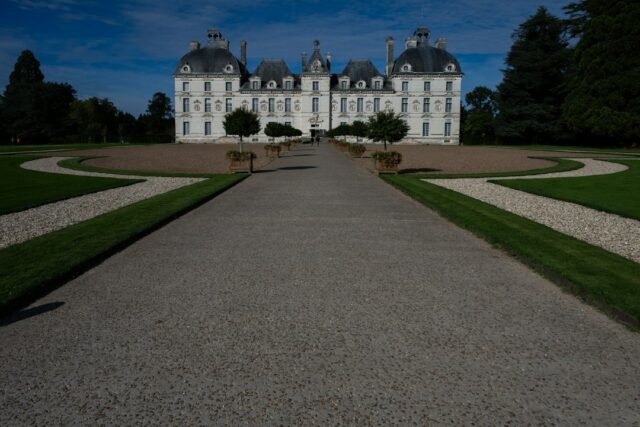
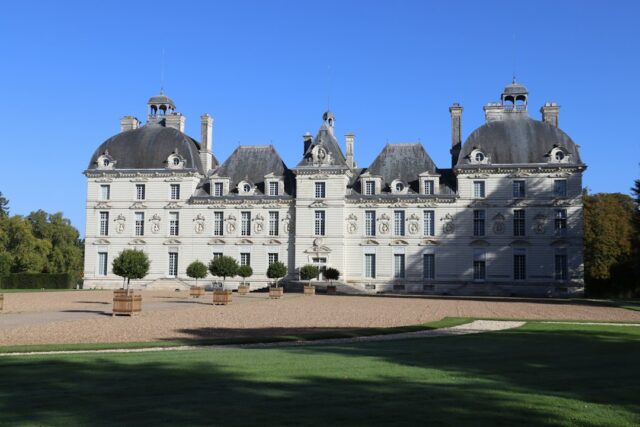
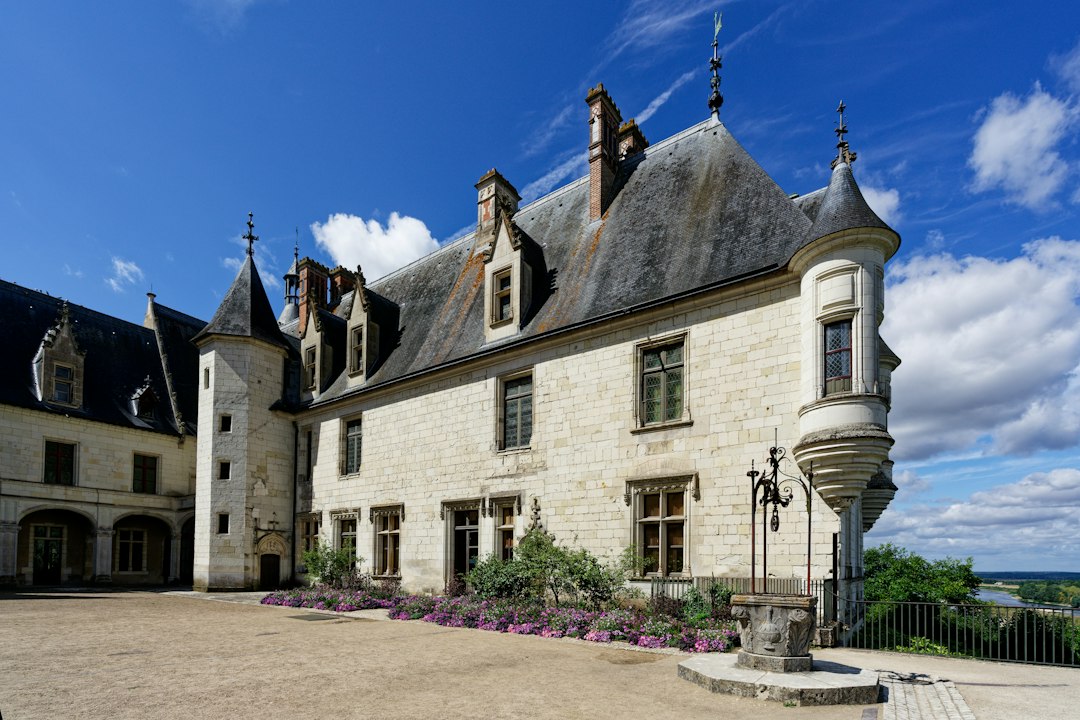
The Loire Valley whispers in softer hues: silvery river light, pale tuffeau stone, the tender green of centuries-old gardens. This is the region for couples who want turrets, a historic chapel, a grand banquet hall with crystal chandeliers, and the feeling of stepping into a French fairy tale. The Loire delivers this with more accessible pricing than Provence and proximity to Paris via TGV (under two hours from Paris to Tours or Angers), making it the strongest region for couples who want château grandeur without Provençal pricing.
The Loire Valley has the highest density of château venues in France, with over 300 along the UNESCO World Heritage river corridor. This density creates a competitive market that keeps pricing more moderate than the south. Venue hire for a two-night exclusive use package typically starts at €22,000, with more comprehensive packages including catering reaching approximately €45,000. On-site accommodation ranges widely, from 17 suites at smaller estates to 65 beds at larger properties. Many Loire châteaux include a licensed chapel for ceremonies, which simplifies the ceremony question that other regions leave open.
What the Loire does well: authentic Renaissance and medieval architecture, a licensed chapel option, formal gardens that photograph beautifully, and Paris proximity that makes guest travel straightforward. What to watch for: the region is flatter and more manicured than Provence, so if you are looking for rugged natural drama, the Loire may feel too tame. Catering is typically in-house or from a recommended list, which limits creative freedom compared to dry-hire regions. For a deeper look at châteaux within easy reach of Paris, our guide to seven château wedding venues within 90 minutes of the capital profiles estates where the Loire aesthetic extends into the Île-de-France.
Bordeaux: The Wine-Obsessed Pair
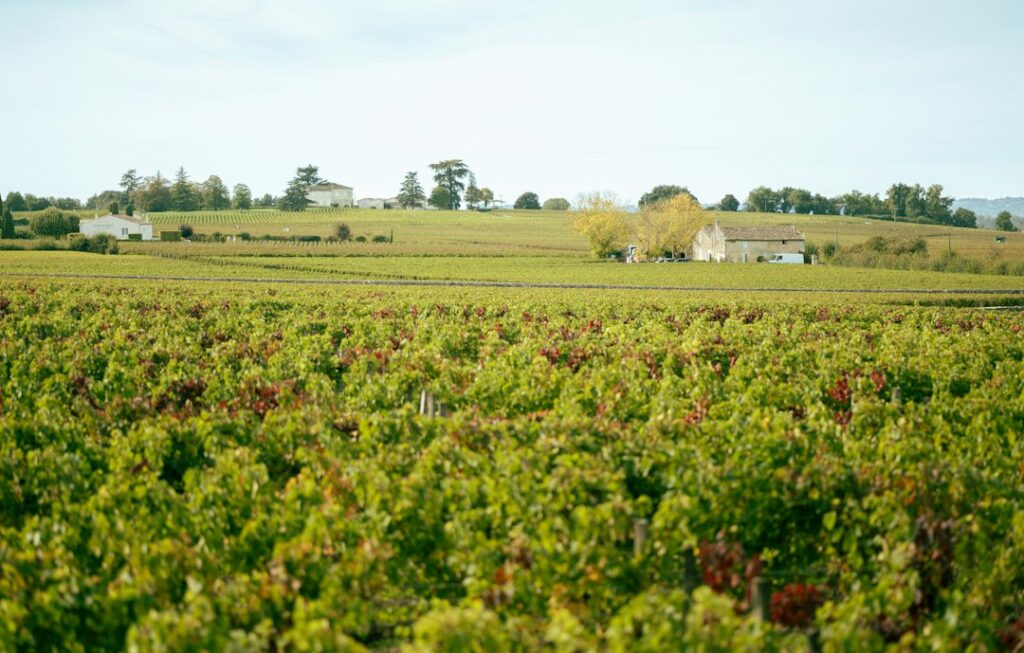
Bordeaux is the destination for couples who want the wine to be the story, not an afterthought. The wine-obsessed pair wants Margaux and Pomerol at dinner, a vineyard ceremony with rows of vines as the aisle, and a venue where the terroir is the architecture. Bordeaux delivers this with a sophistication that rivals Provence but at a different register: darker stone, deeper reds, and a gastronomic culture rooted in the world’s most prestigious wine appellation.
The dry-hire model is what sets Bordeaux apart. Estates like Château Gassies, an 18th-century hilltop property on 14 hectares overlooking the Garonne Valley, permit external caterers with no corkage charge, meaning you can bring in your own wine selections from surrounding châteaux. Weekend packages start at €23,000 including accommodation for 43 guests, exclusive estate use, pool, sauna, and a wedding coordinator. There is no music curfew, so dancing can run until 4 AM. Bordeaux-Mérignac Airport is 20 minutes away, the closest airport-to-venue ratio of any major château region.
What Bordeaux does well: the freedom to bring your own caterers and wine, panoramic vineyard views, and a dry-hire model that gives design-conscious couples full creative control. What to watch for: because venue hire does not include catering, you are building the food and beverage budget from scratch. A quality caterer and wine pairings for 100 guests add €12,000 to €25,000 on top of the venue hire. The creative freedom is real, but it requires you to be an active builder of your own wedding rather than a guest at a venue that handles everything.
Provence: The Lavender Dreamer
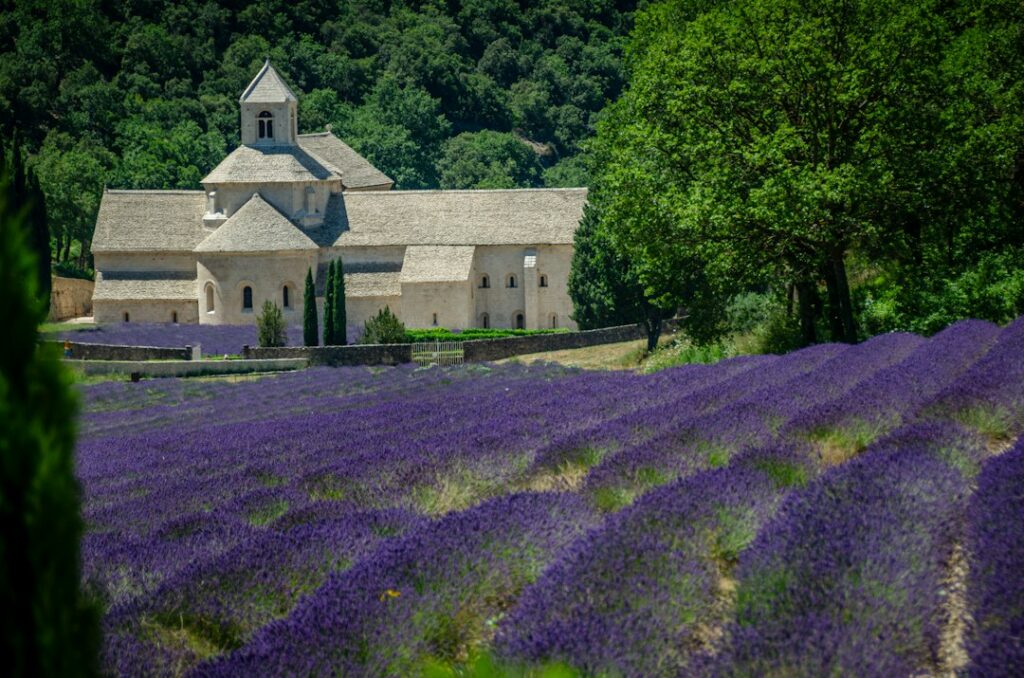
Provence speaks in warm, vivid tones: terracotta, saffron, deep purple lavender against an azure sky. The lavender dreamer is the couple who has been imagining this landscape since before the engagement, the one whose Pinterest board is a wall of honey-stone mas, olive groves, and long tables set for dinner beneath plane trees. Provence rewards that vision with the most visually distinctive wedding landscape in France, but it also demands the highest venue budgets outside of Paris and the Riviera.
Peak-season venue hire in the Luberon routinely starts at €30,000 to €40,000 TTC for a weekend exclusive use, with premium estates reaching €55,000. The best properties book 18 to 24 months ahead. On-site accommodation varies dramatically: some estates sleep as few as 15 or 29 guests while seating 150 to 220, which means most of your guests will need overflow accommodation. A few properties, like Château de Fonscolombe with 50 rooms sleeping 110, minimize this gap, but they command premium pricing to match. Catering is frequently imposed by the estate, which simplifies planning but limits culinary flexibility.
What Provence does well: outdoor ceremonies beneath century-old trees, golden-hour light that photographers prize, and a multi-day residential format where your guests inhabit the estate for the weekend. What to watch for: the Mistral wind, which can gust through the Rhône Valley from spring to early summer and will disrupt outdoor ceremonies. Venue hire is almost always quoted HT, so add 20% VAT before budgeting. July and August bring 35 to 40°C heat and peak tourist crowds; May, June, and September are the strongest months. For a detailed comparison of specific Provençal estates, our guide to eight southern French château venues covers Provence alongside Languedoc and the Côte d’Azur.
Beyond: Dordogne, Burgundy, and the Côte d’Azur
Three additional regions deserve attention for couples whose vision does not fit neatly into Loire, Bordeaux, or Provence. The Dordogne is where the château wedding becomes financially realistic. Venue hire starts at €9,500 for a three-night exclusive use minimum, catering averages €90 to €140 per person (lower than Provence’s €120 to €180 for comparable quality), and couples can bring in their own caterers. A full 100-guest destination wedding here typically runs €30,000 to €80,000 all-in, which is 30 to 50% below Provence for comparable properties. The tradeoff: the region is rural, accommodation beyond the on-site beds is limited, and Bergerac Airport has only seasonal service.
Burgundy serves the couple who believes the meal is the wedding. Estates like Château de Varennes, named by CNN among the top ten best wedding venues worldwide, seat 200 guests in an Orangerie with a historic on-site chapel seating 80 for ceremonies. On-site accommodation spans 27 bedrooms sleeping 60. Venue hire starts at €19,500 for peak season. The landscape is beautiful but understated: rolling hills and vineyards that reward intimate appreciation rather than delivering instant visual impact. If your guests expect the “wow” of a Provençal lavender field, Burgundy’s quieter beauty may need to be framed for them.
The Côte d’Azur is not for the budget-conscious, but for couples whose vision is pure Riviera glamour, no other region satisfies. Château de la Napoule, a restored medieval fortress on the Mediterranean shore, seats up to 450 guests with the bay of Cannes as backdrop. Evening hire starts at €13,800 TTC, with full-day hire at €25,200 TTC required for Fridays and Saturdays. The château has no on-site accommodation, which means hotel blocks in Cannes or Mandelieu and shuttle transport are structural costs, not optional add-ons. The Côte d’Azur carries a 20 to 40% premium on every vendor line. For couples who prioritize having guests stay on-site at the venue itself, the Riviera’s dry-hire model is a poor structural fit, and couples exploring total privacy should also consult our guide to exclusive wedding venues in France.
Essential Questions to Ask Before Booking
The difference between a château that looks beautiful online and a château that works for your wedding comes down to a handful of questions that most couples never think to ask until after the contract is signed. These are the questions that separate the right venue from a beautiful mistake. Ask them before you commit, not after.
Is the Quoted Price HT or TTC?
This is where most international couples get caught. French quotes are frequently presented HT (hors taxes, before VAT), and the VAT is added on the final invoice. The rates are not uniform across your wedding: venue hire, equipment rental, and all alcoholic beverages carry a 20% VAT rate, while catering and food service carry 10%. A venue quoting €25,000 HT becomes €30,000 TTC. A caterer quoting €12,000 HT becomes €13,200 TTC at the food rate. Across 10 to 15 vendor invoices, the cumulative VAT typically adds €3,000 to €8,000 that couples did not anticipate. Always confirm whether a price is HT or TTC before building your budget, and ask your planner to present all figures TTC so you are comparing real costs, not pre-tax ones.
Does the Hire Include Exclusive Use of the Entire Estate?
Exclusive use and exclusive hire are not always the same thing. Some châteaux advertise “exclusive use” but retain access to certain grounds, outbuildings, or public paths through the estate. A château that operates as a hotel or museum during the day may hand you the reception rooms for the evening while other guests or visitors remain on the property. Ask specifically: during our booking, will any other events, guests, or members of the public be on the estate? If the answer is yes, you are not getting a true buyout, and the price should reflect that.
How Many Guests Can Sleep On-Site, and What Happens to the Rest?
Ask for the exact bedroom count and the number of guests each room sleeps. Then ask what accommodation exists within 15 minutes of the estate for overflow guests, and whether the château has established partner relationships with nearby hotels or chambres d’hôtes. If the nearest quality hotel is 30 minutes away, your shuttle transport costs will be higher and your guests’ experience will be more fragmented. A château that can point to three partner properties within a 10-minute radius is far easier to manage than one where the closest beds are half an hour down a rural road.
What Is the Catering Model, and What Does It Include?
Ask whether catering is imposed, from a recommended list, or fully external. If imposed, request the per-head pricing and what it includes: does it cover service staff, table settings, linens, and glassware, or is it food only? If dry-hire, ask what kitchen equipment is provided and what you need to rent. Ask about corkage: some dry-hire venues charge no corkage fee, letting you bring in your own wine at cost, while others charge €15 to €30 per bottle, which can add thousands to a 150-guest wine budget. For a detailed example of how catering and venue costs combine, our Château de la Napoule cost breakdown shows the line-by-line structure of a Riviera wedding budget.
What Is the Weather Backup Plan, and Who Pays for It?
Every outdoor château wedding needs a rain plan, and the question is not whether the venue has one but whether it is included in the hire or billed separately. Some estates include an indoor reception room as a weather backup at no additional charge. Others require you to rent a marquee or pagoda, which can add €2,000 to €8,000 depending on size and season. Ask what the indoor capacity is, whether it seats your full guest count, and whether the transition from outdoor ceremony to indoor backup is logistically smooth or involves a 15-minute walk across the estate in the rain.
What Is Excluded from the Venue Hire?
The quoted venue hire rarely covers everything. Ask specifically about: security guards (mandated at many châteaux, typically €500 to €1,500), event liability insurance (€150 to €400, required by virtually every venue), cleaning fees, late-night surcharges, and heating supplements in winter. Ask whether furniture, sound systems, and lighting are included or rented separately. A château quoting €15,000 for venue hire may require €3,000 in additional equipment, security, and insurance before a single flower is ordered. These are not hidden costs; they are simply not in the headline number, and asking about them upfront is how you build an accurate budget.
Visiting Châteaux: What to Look For on Site
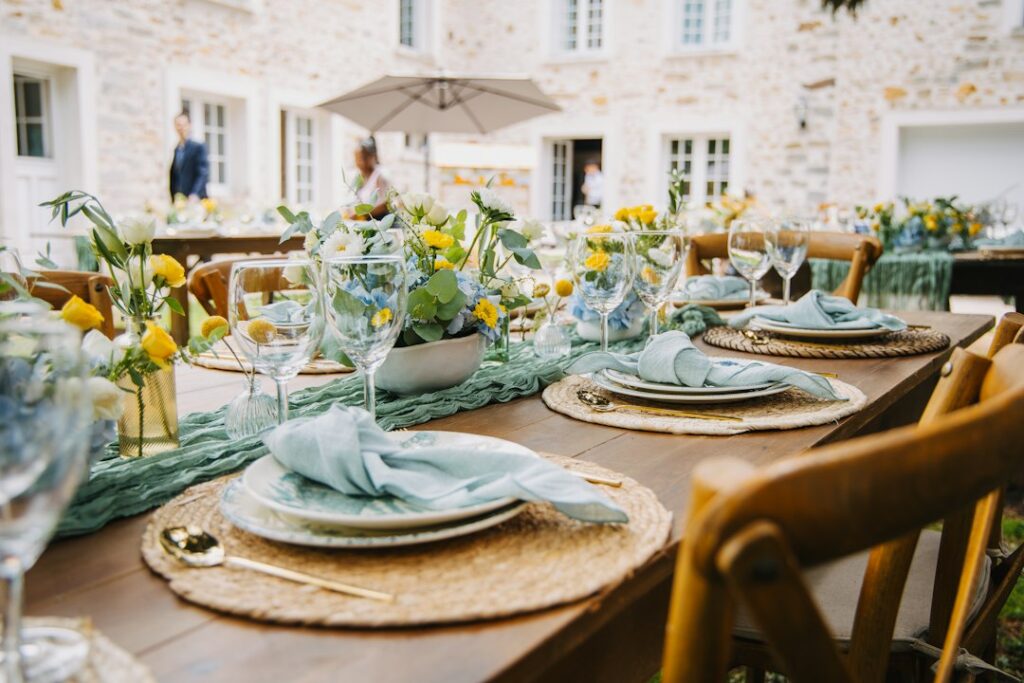
Photographs lie. Not deliberately, but because a camera frames out the service road behind the orangery, the mobile phone mast disguised as a cypress tree, and the fact that the beautiful reception room has no air conditioning in July. A site visit is where you discover what the brochure cannot show you, and it is the single most important step in choosing a wedding venue château in France. If you cannot visit in person, ask your planner to conduct a site survey on your behalf and report back on the points below.
Room Proportions and Flow
Stand in the reception room and count the doors. How will guests move from the ceremony space to the cocktail area to the dinner room to the dance floor? A château with four interconnected salons on the ground floor creates a natural flow where 120 guests drift from room to room. A château where the ceremony lawn is a five-minute walk from the dinner room, which is up two flights of stairs from the bar, creates bottlenecks that fragment the evening. Walk the route your guests will walk, and time it. If the logistics feel awkward to you at a leisurely pace, they will feel worse to your aunt in heels after two glasses of Champagne.
Climate Control and Ventilation
Ask to see the reception rooms in the condition they will be in on your wedding day. Many historic châteaux have thick stone walls that stay cool naturally, but rooms without air conditioning become ovens during a July dinner when 100 guests fill the space. Ask specifically: do the reception rooms have climate control? If not, what is the typical interior temperature in July and August? Are portable climate control units available, and at what cost? If the venue is non-air-conditioned and you are marrying in July, this is not a minor detail. It affects how long guests remain comfortable at the table.
Sound Curfew and Noise Restrictions
French châteaux in rural areas are subject to municipal noise regulations, and the curfew varies by property. Some estates allow music until 4 AM with no restrictions. Others impose a midnight curfew, or require outdoor music to stop at 11 PM with an indoor DJ permitted afterward. Ask what the curfew is, whether it applies to outdoor and indoor spaces equally, and whether the château has ever received noise complaints from neighbors. A midnight curfew is not a dealbreaker if you plan around it, but discovering it the night of your wedding is.
What Sits Outside the Frame
Walk the perimeter of the estate and look in every direction. Is there a working farm next door whose machinery starts at 6 AM? A departmental road with truck traffic visible from the ceremony lawn? A mobile phone mast or power line that will appear in every wide-angle photograph? These are the things that do not appear in the venue’s brochure and that you can only assess by standing on the property and looking around. If you cannot visit, ask your planner to take wide-angle photographs from every corner of the ceremony and reception spaces, specifically including the sightlines the brochure does not show.
The Bedroom Reality Check
Ask to see three or four bedrooms, not just the show suite. The principal suite may be magnificent, but the rooms your guests will actually sleep in are the ones that determine whether they enjoy the weekend. Check the bathroom quality, the bed sizes, and whether the rooms have been recently renovated or still carry the décor of a previous decade. If the château sleeps 30 but 12 of those beds are in outbuildings a 200-metre walk from the main house, that is a different residential experience from 30 beds all under one roof. For couples planning an intimate wedding where everyone stays on-site, this matters more than any decorative detail.
If you are working through these questions and feeling the weight of detail, that is normal. A French château wedding is a logistical undertaking as much as a romantic one, and the couples who end up with the celebration they imagined are the ones who pair the vision with the practical questions from the start. At Myfrancewedding, we help couples navigate this process from the first inquiry to the final invoice, ensuring that VAT structures, accommodation gaps, catering models, and transport logistics are accounted for before you commit to a property.
Begin Your Château Search
The right wedding venue château in France is not the one with the most beautiful photographs. It is the one whose region matches the emotional tone you want your celebration to carry, whose cost structure fits your budget without hidden VAT surprises, whose accommodation capacity matches your guest count, and whose logistics, from airport distance to catering model to sound curfew, you have understood before you sign a contract. The wine-obsessed pair belongs in Bordeaux. The lavender dreamer belongs in Provence. The castle traditionalist belongs in the Loire Valley. The rustic romantic belongs in the Dordogne. Each region has a specific cost structure, a specific set of tradeoffs, and a specific version of a French château wedding that aligns with one of these visions.
Contact Myfrancewedding to request dates, a tailored cost breakdown that distinguishes HT from TTC, and a curated shortlist of châteaux matched to your guest count, your budget, and the emotional tone you want your celebration to carry. We will confirm availability against your dates, map the guest arrival logistics from the nearest airport, and build the accommodation split between on-site suites and nearby partner hotels so no guest is left navigating rural France alone.
Frequently Asked Questions
What is the difference between exclusive buyout and shared grounds at a French château?
Exclusive buyout means you rent the entire estate, including all reception rooms, bedrooms, and grounds, for the duration of your booking. No other events or guests are on the property. Shared grounds or room-hire means you rent specific spaces while other guests or the public may access other parts of the estate. Exclusive buyout costs more but delivers a fully private experience; room-hire is less expensive but means no residential weekend and limited privacy.
How many bedrooms should a château venue have for our guest count?
Aim for on-site beds that cover at least 60 to 70% of your guest count. Every château seats more guests for dinner than it beds for the night, and the gap between the two numbers determines your overflow accommodation and shuttle transport costs. If the château sleeps 30 and your guest count is 100, you will need hotel rooms for 70 guests and shuttle transport costing €3,000 to €6,000 for the weekend.
Can we bring our own caterer to a French château wedding venue?
It depends on the venue’s catering model. Dry-hire venues like those in Bordeaux permit external caterers and sometimes allow you to bring your own wine with no corkage fee. Imposed-caterer venues, common in Provence, require you to use the estate’s own chef or exclusive partner. Recommended-list venues give you a shortlist of approved caterers. Always confirm the catering model before booking, as it affects both your food budget and your creative freedom.
What should we look for during a château site visit in France?
Check room proportions and guest flow between ceremony, cocktail, dinner, and dancing spaces. Ask about air conditioning in reception rooms, especially for July and August weddings. Confirm the sound curfew and whether it differs for indoor and outdoor spaces. Walk the perimeter to spot anything outside the frame of venue photographs, such as roads, farms, or utility infrastructure. View three or four guest bedrooms, not just the show suite, to assess the actual accommodation quality.
Can we legally marry at a château in France as non-residents?
French law requires at least one partner to reside in the commune where the civil ceremony takes place for 30 to 40 days before the wedding. Most international couples complete the legal civil marriage in their home country and hold a symbolic or religious ceremony at the château in France. This approach gives complete freedom to choose any venue and celebrant without administrative constraints, and the symbolic ceremony is the one your guests attend.