Luxury Outdoor Wedding Venues That Master the Elements
-
myfrancewedding.com
- ProvenceWedding VenuesWeddings
- 6

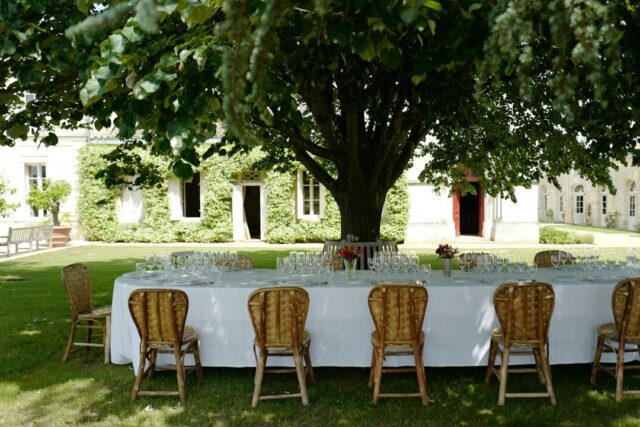
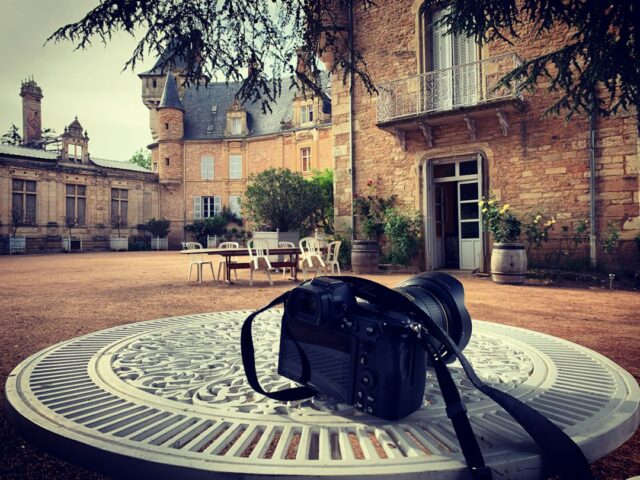
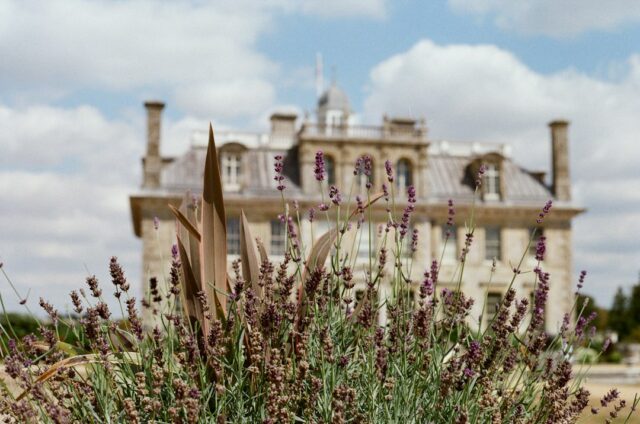
An outdoor ceremony is non-negotiable for many couples, but luxury outdoor wedding venues earn that designation through infrastructure, not scenery. The difference between a venue that treats outdoor space as the main event and one that treats it as an afterthought comes down to five things: a dedicated ceremony site designed for weddings, built-in sound systems engineered for open air, permanent weather contingencies that do not require a panicked phone call to a marquee company, lighting planned for the transition from golden hour to midnight, and a kitchen capable of executing a plated dinner on a terrace without compromising on temperature, timing, or presentation.
Most couples discover this distinction the hard way. They book a château with a beautiful lawn, assume the outdoor ceremony will be seamless, and then learn three weeks before the wedding that there is no power source near the ceremony spot, the caterer cannot plate outdoors because the kitchen is a five-minute walk through the house, and the rain backup is a tent the venue does not own. The venues profiled here are different. They were built or adapted with outdoor celebrations as the primary use case, and their infrastructure reflects that priority. For a broader view of how French regions compare beyond outdoor-specific criteria, our guide to wedding locations across ten French regions places each setting in its regional context.
What Sets Luxury Outdoor Wedding Venues Apart
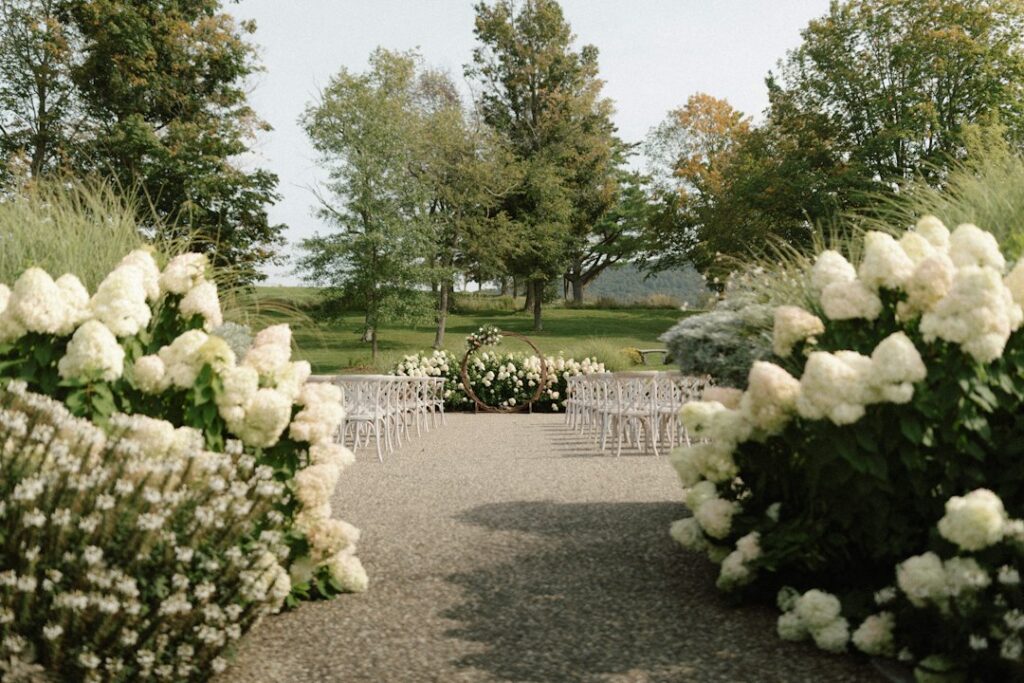
A true luxury outdoor venue is defined by what happens behind the scenes, not what appears in the photographs. Any estate can set chairs on a lawn and call it an outdoor ceremony space. The venues that deserve the “luxury” label have invested in the systems that make an outdoor celebration feel effortless from the first note of processional music to the last plate cleared at midnight.
Dedicated Ceremony Architecture
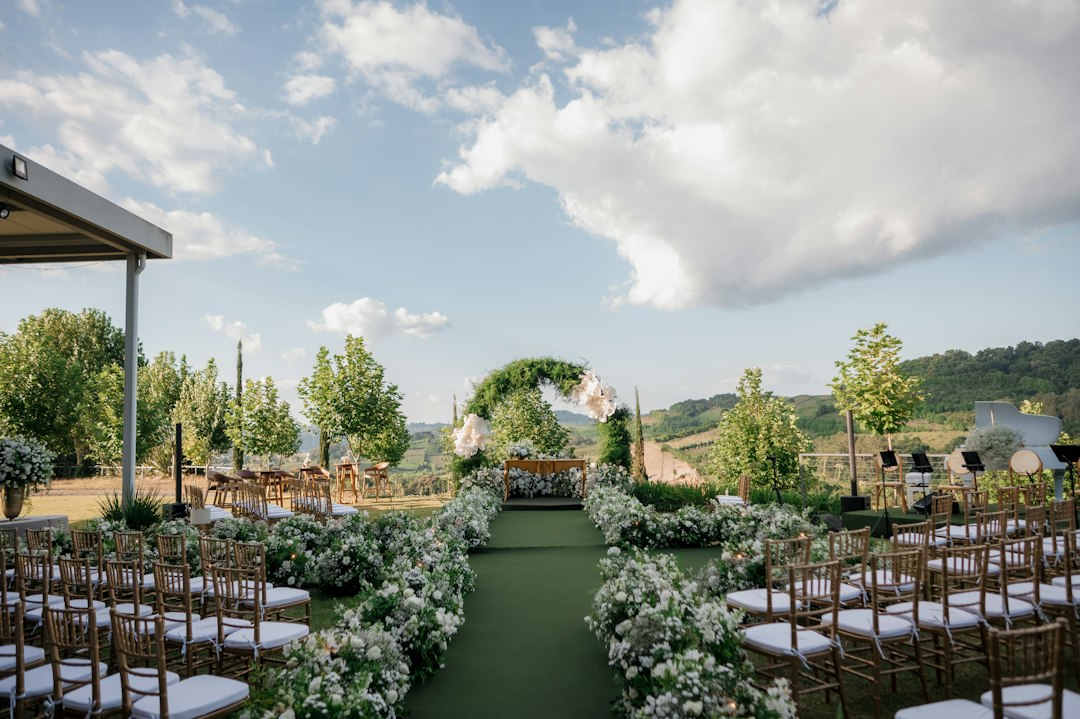
The first marker is a ceremony site that was designed as a ceremony site, not repurposed from a garden path or a spare patch of grass. Look for amphitheater-style grading so every guest has a sightline, a permanent altar or architectural focal point (a stone wall, a fountain, an allée of cypress), and enough separation from service areas that no guest watches a caterer unload chairs while vows are exchanged. Château de Sannes in the Luberon positions its ceremony among century-old magnolias with the vineyard as backdrop, a site chosen for shade, acoustics, and visual framing, not because it was the only flat surface available.
Built-In Sound Systems
Outdoor acoustics are unforgiving. Wind carries sound away from guests, open air absorbs it, and a portable speaker placed on a chair is the tell of a venue that has not invested in outdoor infrastructure. The estates that take outdoor sound seriously have permanently installed systems with weatherproof speakers, mixing consoles, and a sound engineer included in the hire. Château de Tourreau in the Vaucluse includes a DJ sound system with a dedicated sound engineer in its €55,000 peak-season hire, which means the transition from ceremony processional to cocktail jazz to dinner background music to dance floor happens through one integrated system, not three rented speakers duct-taped to trees.
Permanent Weather Contingencies
This is where most outdoor venues fail. The standard French venue approach to rain is to tell couples they can “move inside,” which means cramming 120 guests into a dining room designed for 80, or renting a marquee at the couple’s expense two days before the wedding. Luxury outdoor venues solve this structurally. Some have retractable roof systems or permanent pergolas that shelter the dinner table without enclosing it. Others have an adjacent indoor reception room of comparable scale, already dressed and ready, so the pivot from terrace to salon takes twenty minutes rather than a panicked afternoon. Château de Fonscolombe near Aix-en-Provence can seat 200 outdoors in the South Park and 140 in its restaurant Le Temps Suspendu, but the weather backup for receptions over 60 guests is the couple’s financial responsibility, which can add €2,000 to €8,000 in marquee costs. Always ask what the rain plan costs, not just what it is.
Lighting Designed for Evening Transitions
The golden hour photographs that fill your Pinterest board last approximately 45 minutes. After that, the venue’s lighting determines whether the evening feels magical or flat. Luxury outdoor venues have permanent architectural lighting: uplighting on stone walls, string lights strung across the terrace at a height that does not interfere with service, pathway lighting that guides guests without washing out the ambiance, and a dimmable system that lets the mood shift from dinner to dancing. Venues without installed outdoor lighting force couples to rent and install it, which adds €1,500 to €4,000 in production costs and requires a technical team the venue may not have on-site.
Terrace Kitchens That Execute Without Compromise
The infrastructure question that couples almost never ask until it is too late: can the kitchen plate a three-course dinner for 120 guests on a terrace? This requires a finishing kitchen or plating area near the outdoor dining space, not just a main kitchen inside the château. If the kitchen is a five-minute walk from the terrace, food arrives cold, service timing falls apart, and the chef cannot coordinate passes. Venues with in-house restaurants, like Château de Fonscolombe (Le Temps Suspendu, Michelin-caliber) or Château l’Hospitalet (Michelin Green Star kitchen), have the infrastructure to execute outdoor plated service at a high standard. Dry-hire venues without a kitchen facility depend entirely on the caterer you bring in, and not every caterer can plate 150 dinners outdoors without a prep kitchen on-site.
Vineyard and Countryside Settings

Vineyard venues offer the most visually immersive outdoor wedding experience in France: rows of vines as ceremony backdrop, cellar doors opening onto terraces, and estate-grown wine poured at dinner. The infrastructure quality varies dramatically between working wine estates with purpose-built event facilities and rustic properties that host weddings as a side business. The three below represent the strongest combinations of outdoor ceremony infrastructure, on-site accommodation, and kitchen capability in their respective regions.
Château de Sannes (Provence, Luberon)
A 17th-century Provençal estate on 73 hectares in the Vaucluse, where honey-hued stone meets rows of lavender and century-old magnolias cast shade over the ceremony site. The estate’s defining outdoor infrastructure is the Orangerie, a movable structure in the olive groves that seats up to 250 for dinner under cover while remaining fully open to the surrounding landscape. This is not a rented marquee. It is a permanent architectural feature designed for outdoor dining in all conditions. The heated outdoor pool, Bergerie (restored sheepfold with six bedrooms), and guest house create a residential weekend for 31 guests across 15 bedrooms.
Peak-season venue hire runs from approximately €40,000 TTC for a weekend exclusive use, dropping to around €30,000 TTC in shoulder season. Catering is handled by the estate’s imposed caterer, Roland Paix, at approximately €140 per head for 100 or more guests, which means the kitchen infrastructure is built in and tested. The ceremony site among the magnolias was chosen for its natural shade and acoustic properties, not improvised from a garden corner.
What it does well: the Orangerie is one of the best outdoor-to-covered dining structures in Provence, the imposed caterer eliminates kitchen logistics risk, and the 73-hectare estate provides genuine privacy. What to watch for: the Mistral wind, which gusts through the Rhône Valley from spring to early summer, can reach 80 km/h and will disrupt outdoor ceremonies. July and August temperatures routinely exceed 35°C, and the historic reception rooms lack air conditioning. A full 80-guest wedding here typically runs €112,000 to €156,000 all-in. Our detailed Château de Sannes wedding cost breakdown shows how that budget comes together line by line.
Château l’Hospitalet (Languedoc, Narbonne)
A five-star wine resort within the Natural Park of La Clape, surrounded by 1,000 hectares of biodynamic vineyards with views over the Mediterranean. The outdoor infrastructure here is exceptional: between May and September, a private beach club (l’Hospitalet Beach) hosts weddings for up to 150 seated or 300 standing with the Mediterranean at your feet. The in-house kitchen holds a Michelin Green Star, and wine comes from the estate’s 16 Gérard Bertrand properties across Occitanie. Indoor dining capacity reaches 120, with outdoor or marquee receptions for up to 300.
The estate sleeps 82 guests across 41 rooms and suites, including 28 at the recently renovated Villa Soleilla. Pricing starts from approximately €15,000 for peak-season wedding packages. Montpellier Méditerranée Airport is 1 hour 15 minutes by car; Béziers is closer at 45 minutes.
What it does well: the beach club is a purpose-built outdoor wedding space with permanent infrastructure, the Michelin Green Star kitchen can execute terrace service without compromise, and the 82 on-site beds minimize the accommodation gap. Air conditioning throughout. What to watch for: the all-inclusive model means less creative control over catering and design. The aesthetic leans contemporary luxury rather than historic grandeur, so couples seeking weathered Provençal stone will find a different visual register. For smaller weddings under 40 guests, the per-head economics may favor a smaller Languedoc estate.
Château Rieutort (Languedoc, Hérault)
A wine estate built in 1755 and restored in Neo-Baroque style, standing on the banks of the Hérault river within 30 hectares of vineyard. The 2.5-hectare park of mature plane trees provides natural shade for outdoor ceremonies, and the working winery means estate-grown Languedoc wines can be poured at dinner, a meaningful cost advantage over buying wine from outside suppliers. The estate hosts one wedding at a time with capacity for up to 300 guests, and accommodation for 60 across the château and seven gîtes.
Pricing for 2026 starts at €10,495 for a two-night stay in shoulder season, rising to €17,000 for two nights in early July and €22,500 for three nights in mid-July to late August. External caterers are permitted, which gives full creative freedom over the menu but means you must verify that your chosen caterer can execute outdoor plated service without an on-site finishing kitchen.
What it does well: the best value vineyard buyout in France, with estate wines that cut beverage costs substantially. The plane-tree park provides a natural outdoor ceremony setting. What to watch for: the region is rural, so accommodation beyond the 60 on-site beds requires nearby chambres d’hôtes. The gîte model means guests stay in self-catering cottages, which requires someone to manage logistics across seven buildings. The spa and pool facilities are genuine differentiators for a multi-day celebration. For couples exploring southern French châteaux in more detail, Rieutort represents the Languedoc value ceiling.
Classical Garden and Estate Venues
Garden and estate venues deliver a different outdoor experience: the formality of French gardens, the architectural framing of a château façade, and the sense of a designed landscape rather than a working agricultural one. These venues typically have the strongest permanent infrastructure because the gardens themselves are the venue’s primary asset, maintained year-round by a full-time grounds team. The tradeoff is that formal gardens often come with monument historique restrictions that limit what you can install, and weather backup costs may be passed to the couple.
Château de Fonscolombe (Provence, Aix-en-Provence Area)
An 18th-century Relais and Châteaux property on 12 hectares of classified parkland near Le Puy-Sainte-Réparade. Fonscolombe’s outdoor infrastructure is anchored by the South Park, which hosts outdoor dinners for up to 200, and the on-site restaurant Le Temps Suspendu, which seats 50 and provides the kitchen backbone for outdoor service. A chapel is available for ceremonies, but the parkland itself serves as the primary outdoor ceremony site for couples who want open-air vows. The 50 air-conditioned bedrooms and suites sleep up to 110 guests, which is exceptional for Provence and eliminates the accommodation gap that defines most Provençal estate weddings.
Venue hire starts from approximately €34,000 for peak-season exclusive use with a minimum two-night stay, including accommodation and daily gourmet breakfast. The in-house catering means the kitchen can plate outdoor dinners without bringing in external equipment.
What it does well: the strongest accommodation capacity of any Provençal estate, air-conditioned rooms for July and August weddings, and an in-house Michelin-caliber kitchen that eliminates outdoor plating risk. What to watch for: the weather backup for outdoor receptions over 60 guests is the couple’s financial responsibility, which can add €2,000 to €8,000 in marquee costs. The in-house catering means you cannot bring in an outside chef for the main dinner without a minimum spend.
Château de Bourron (Île-de-France, Fontainebleau Forest)
A 16th-century Renaissance château set within 42 hectares of walled grounds adjoining the Fontainebleau forest, classified as a Historic Monument since 1971. The formal French gardens, moats fed by natural springs, and linden-tree allée provide multiple outdoor ceremony and reception sites within a designed landscape. Up to 140 guests are accommodated across eight indoor and outdoor spaces, with 15 bedrooms sleeping 37 on site. A train station sits 200 metres from the estate, and CDG is about an hour away.
Venue hire starts from €15,000 for one night, one day, with a music curfew at 3 a.m. The family-home character means the gardens are maintained year-round by the estate team, not prepared for events on a one-off basis.
What it does well: the Fontainebleau-forest setting provides a designed landscape with multiple outdoor ceremony options, and the family-home character lends warmth that hotel venues cannot replicate. The 42-hectare walled grounds mean total privacy. What to watch for: the 3 a.m. curfew is earlier than estates with no time limit, and with 37 on-site beds for up to 140 seated guests, most celebrations need partner hotels. The Historic Monument classification may restrict outdoor installations. For couples comparing châteaux within reach of the capital, our guide to seven château venues near Paris profiles Bourron alongside six other estates.
Château d’Ermenonville (Île-de-France, Oise)
The final home of Jean-Jacques Rousseau and guardian of eleven centuries of history, 40 minutes from Paris and 20 from CDG. The estate functions as a full boutique hotel with 55 individually decorated rooms, a gastronomic restaurant (La Table du Château), and an 18-hectare English-style parkland with ornamental lake. The terrace overlooking the lake is the primary outdoor reception space, and the ceremonial courtyard provides a formal outdoor ceremony site. Seven reception rooms give the celebration room to unfold across multiple spaces.
Privatization pricing varies by season, with one-night hire from approximately €12,200 and two-night packages from €19,000 in low season, rising to €14,900 for one night and €21,500 for two nights in peak season. The château can be privatised for weddings up to 110 people, with the largest reception salon seating 170.
What it does well: the most on-site beds of any estate near Paris, an in-house gastronomic kitchen that can execute terrace service, and the lakeside terrace provides a purpose-built outdoor dining space. What to watch for: the 110-person privatization ceiling for exclusive events means larger celebrations need a different configuration. The English-style parkland is less formally structured than French gardens, which may not suit couples seeking geometric allées and parterres.
Coastal and Cliffside Celebrations
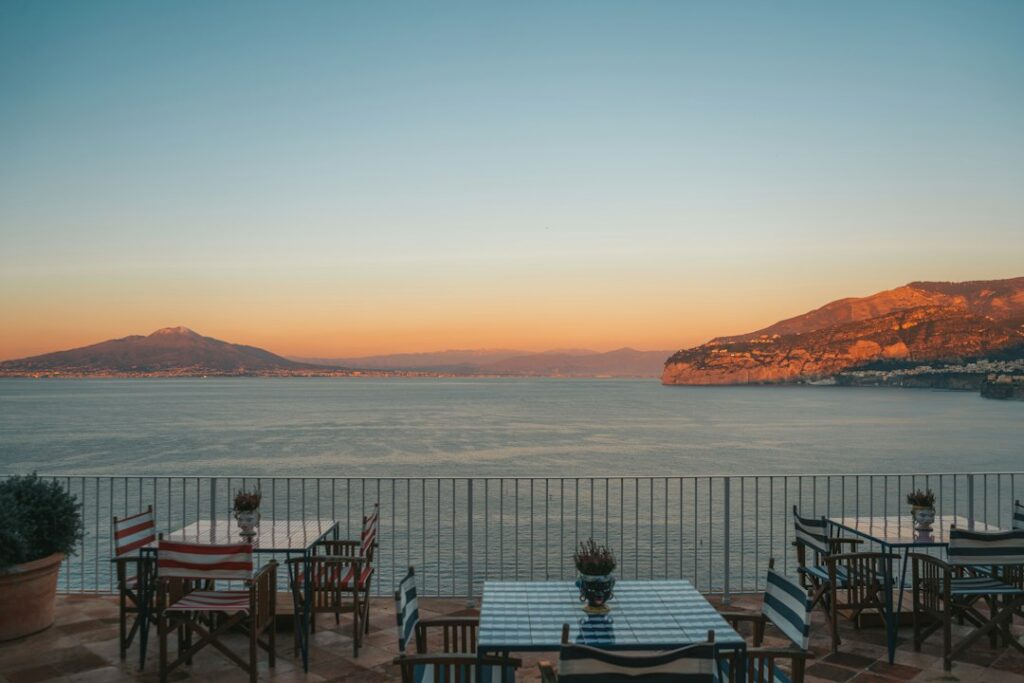
Coastal venues deliver the most dramatic outdoor ceremony backdrops in France: the Mediterranean as a direct backdrop rather than a distant view, medieval ramparts serving as seawalls, and terraces where the sound of waves provides natural ambiance. The infrastructure challenge is acute here, because Monument Historique classifications restrict permanent installations and the premium pricing structure means every infrastructure gap costs more to fill. The venues below represent the strongest coastal outdoor wedding infrastructure on the French mainland and in Corsica.
Château de la Napoule (Côte d’Azur)
A restored 14th-century fortress perched between Cannes and Mandelieu-la-Napoule, where ramparts serve as the seawall and seafront terraces hold 150 guests for sunset cocktails with the bay of Cannes and the Lérins Islands as backdrop. The Cour d’Honneur, a 550m² crenellated courtyard, seats up to 450 for dinner, the largest single seated capacity on the coast. The Lovers’ Garden hosts ceremonies for 200. No other southern French château delivers the Mediterranean as a direct backdrop rather than a distant view.
Evening venue hire starts at €13,800 TTC (Monday through Thursday); full-day hire costs €25,200 TTC and is required for Fridays, Saturdays, and groups over 200. Nice Côte d’Azur Airport is 25 to 30 minutes by car. The château has no on-site accommodation, so guests stay at hotels in Mandelieu-la-Napoule or Cannes.
What it does well: the most dramatic outdoor ceremony and reception spaces on the French coast, with the Lovers’ Garden, seafront terraces, and Cour d’Honneur providing three distinct outdoor settings. The TTC pricing is transparent. What to watch for: the château operates as a dry-hire venue managed by the La Napoule Art Foundation, meaning everything from catering to chairs to lighting must come from the foundation’s approved vendor lists at Riviera pricing. The Monument Historique classification means no permanent installations and no open flames in certain areas. The Cannes Film Festival in mid-May turns every hotel room into a premium commodity. A fully produced 120-guest wedding here typically runs €126,000 to €236,000 all-in. Our detailed Château de la Napoule cost guide breaks down the full budget.
Corsican Coastal Venues
Corsica offers outdoor wedding infrastructure that the mainland cannot match: cliffside ceremony sites where the mountains drop directly into the sea, pristine beaches accessible only by boat, and a landscape that combines alpine drama with Mediterranean light. The island’s venues range from boutique hotel estates in the Cap Corse to wild beach clubs on the western coast, and the outdoor infrastructure tends to be more rustic than the Riviera’s formal terraces. What Corsica trades in polish, it makes up for in raw visual impact and a cost structure that runs below the Côte d’Azur.
What to watch for: vendor infrastructure on the island is thinner than on the mainland, with quality florists and production companies concentrated in Bastia, Corte, and Ajaccio. Travel fees for mainland vendors are substantial. Ferry logistics or short-haul flights add complexity for guest arrivals. For couples considering this option, our guide to eight Corsica wedding venues profiles specific properties with their outdoor infrastructure, capacity, and access logistics.
Outdoor Venue Types Compared
The table below compares the three outdoor venue categories across the infrastructure criteria that determine whether an outdoor celebration feels seamless or stressful. Use it to identify which setting type matches your priorities before evaluating individual properties.
| Infrastructure Criterion | Vineyard and Countryside | Classical Garden and Estate | Coastal and Cliffside |
|---|---|---|---|
| Dedicated ceremony site | Vineyard rows, olive groves, parkland clearings | Formal garden allées, chapel forecourts, lakeside terraces | Cliffside terraces, seafront lawns, fortified courtyards |
| Built-in sound system | Varies. Tourreau includes DJ system and engineer. Most others require rental. | Varies. Fonscolombe has restaurant-grade AV. Most require rental. | Rare. Napoule is dry-hire, so all sound is couple-funded from approved vendors. |
| Weather contingency | Orangerie at Sannes (permanent structure). Hospitalet has indoor dining for 120. | Fonscolombe: couple funds marquee (€2,000 to €8,000). Bourron: indoor salons as backup. | Napoule: Cour d’Honneur is semi-covered. Most coastal venues rely on rented structures. |
| Evening lighting | Variable. Vineyards often need full rental lighting packages. | Stronger. Maintained gardens often have installed pathway and architectural lighting. | Often restricted by Monument Historique rules. Plan for rental with permits. |
| Outdoor kitchen capability | Strong at in-house caterer venues (Sannes, Hospitalet). Weak at dry-hire estates. | Strong at restaurant venues (Fonscolombe, Ermenonville). Varies elsewhere. | Weakest. Coastal dry-hire venues depend entirely on approved caterers’ mobile setups. |
| On-site accommodation | Strong. Sannes (31), Hospitalet (82), Rieutort (60). | Strong. Fonscolombe (110), Ermenonville (55), Bourron (37). | Weakest. Napoule (0 beds). Most coastal venues are dry-hire without lodging. |
| Cost band (venue hire, peak) | €10,000 to €55,000. Languedoc offers best value. | €12,200 to €34,000. Provençal estates carry premium. | €13,800 to €25,200+ TTC. Riviera premium on every line. |
| Best for | Couples who want wine, rural immersion, and residential weekends. | Couples who want formal gardens, architectural grandeur, and designed landscapes. | Couples who want the sea as direct backdrop and accept dry-hire logistics. |
French venue quotes are frequently presented HT (hors taxes, before VAT), and the rates are not uniform. Venue hire and equipment rental carry 20% VAT, while catering and food service carry 10%. A venue quoting €25,000 HT becomes €30,000 TTC. Always confirm whether a figure is HT or TTC before building your budget, and ask your planner to present all figures TTC so you compare real costs. Across 10 to 15 vendor invoices, the cumulative VAT surprise typically adds €3,000 to €8,000 that couples did not anticipate.
Outdoor Wedding Logistics: Weather, Sound, and Seamless Service
Even at venues with strong outdoor infrastructure, five logistical factors determine whether the celebration feels effortless or stressful. Each has a real cost implication, and each is easy to overlook when you are captivated by a venue’s photographs. Understanding them before you commit is the difference between a budget that holds and one that balloons by 25%.
Weather Planning Beyond the Rain Plan
Rain is the obvious concern, but wind and heat are the logistical factors that actually disrupt outdoor weddings in France. The Mistral, which gusts through the Rhône Valley from spring to early summer, can reach 80 km/h and will topple floral installations, scatter place cards, and make outdoor ceremonies physically uncomfortable for guests. Ask your planner about Mistral dates for your specific month and region. July and August in the south bring 35 to 40°C heat, and many historic châteaux lack air conditioning in their reception rooms, which means an outdoor dinner on a 38°C evening can become genuinely uncomfortable.
The strongest venues solve this structurally. Château de Sannes has the Orangerie, a permanent covered structure that shelters dinner without enclosing it. Château l’Hospitalet has air-conditioned indoor dining for 120 as a seamless backup. Château de Fonscolombe has air-conditioned rooms and the South Park for outdoor dining, but charges the couple for marquee backup over 60 guests. Always ask three questions: what is the rain plan, what does the rain plan cost, and is the indoor backup of comparable scale to the outdoor space? If the backup room seats 80 and your outdoor plan was for 150, the rain plan is not a plan.
Sound Systems for Open-Air Acoustics
Outdoor sound requires more power and better engineering than indoor sound, because open air absorbs audio and wind distorts it. A venue with a permanently installed outdoor sound system, like Château de Tourreau’s DJ setup with sound engineer, eliminates a category of risk and cost. Venues without installed systems require you to rent weatherproof speakers, a mixing console, cables, and a technician, which typically costs €1,500 to €4,000 depending on the number of zones (ceremony, cocktails, dinner, dance floor) and the complexity of the setup.
The specific failure mode to watch for: venues that claim to have a sound system but actually mean a single portable speaker for background music during cocktails. That is not a sound system. Ask whether the venue can support a live band or DJ with full frequency range across the outdoor dinner and dance floor areas, and whether power circuits in the garden are dedicated to audio or shared with kitchen and lighting loads. Shared circuits cause interference and, in extreme cases, tripped breakers that kill the music mid-song.
Lighting the Transition from Daylight to Midnight
A wedding that begins at 4 p.m. and ends at 2 a.m. spans five distinct lighting conditions: full daylight, golden hour, dusk, full dark, and late-night party. Venues with permanent outdoor lighting systems handle these transitions through dimmable circuits and programmable scenes. Venues without installed lighting require the couple to rent and install a full package, which typically runs €1,500 to €4,000 and must be coordinated with the venue’s electrical capacity.
The key question: does the venue have outdoor electrical infrastructure (weatherproof outlets, dedicated circuits, sufficient amperage) to support both lighting and sound simultaneously? Many historic châteaux have outdoor power that was designed for a single floodlight, not for a full event production. If the venue’s electrical system cannot support your lighting and sound requirements, you will need a generator, which adds €500 to €1,500 and introduces noise that can be heard during quiet moments of the ceremony.
Kitchen Infrastructure for Terrace Plated Service
The question that separates a seamless outdoor dinner from a logistical disaster: where does the food get plated? If the kitchen is inside the château and the dinner is on a terrace 100 metres away, the caterer needs a finishing kitchen or mobile plating station near the service area. Without it, food travels too far, loses temperature, and the timing between courses falls apart.
Venues with in-house restaurants solve this naturally: Château de Fonscolombe (Le Temps Suspendu), Château l’Hospitalet (Michelin Green Star kitchen), and Château d’Ermenonville (La Table du Château) all have professional kitchen infrastructure that can extend to outdoor service. Dry-hire venues without kitchen facilities depend on the caterer you bring in, and not every caterer arrives equipped for outdoor plated service at scale. When evaluating a dry-hire venue, ask your caterer whether they need a prep kitchen on-site, whether they bring their own, and what the additional cost is. A mobile kitchen rental typically runs €800 to €2,500 depending on capacity.
At Myfrancewedding, we help couples evaluate outdoor kitchen infrastructure during the venue shortlisting phase, not three weeks before the wedding when the caterer discovers there is no power for a hot box on the terrace. If you are comparing venues and want to understand which properties can genuinely execute outdoor plated service without compromise, we can assess the kitchen infrastructure against your menu and guest count.
Discover Your Outdoor Setting
The right luxury outdoor wedding venue is not the one with the most beautiful photographs. It is the one whose outdoor infrastructure, from ceremony architecture to sound systems to weather contingencies to terrace kitchens, matches the celebration you envision without forcing you to rent, improvise, or compromise at the last minute. The vineyard couple belongs in Languedoc or the Luberon, where estate wines and rural immersion create a residential weekend. The garden-estate couple belongs in Provence or Île-de-France, where formal landscapes and in-house restaurants provide designed outdoor spaces with kitchen backbone. The coastal couple belongs on the Côte d’Azur or in Corsica, where the sea is the backdrop and the logistics, from dry-hire vendor lists to hotel blocks, are the price of that view.
Each setting type has a specific cost structure, a specific set of infrastructure strengths and gaps, and a specific version of an outdoor French wedding that aligns with one of these visions. The venues profiled here are a starting point, not an exhaustive list, and the right one for your celebration is the one whose infrastructure, capacity, and cost structure align with your guest count, your budget, and the emotional tone you want your celebration to carry.
Contact Myfrancewedding to request dates, a tailored cost breakdown that distinguishes HT from TTC, and a curated shortlist of luxury outdoor wedding venues matched to your guest count, your budget, and the infrastructure requirements that will make your outdoor celebration feel effortless rather than improvised. We help couples navigate the French venue cost structure from the first inquiry to the final invoice, ensuring that VAT, weather contingencies, kitchen logistics, and sound and lighting infrastructure are accounted for from the start rather than discovered too late. For couples who prioritize total privacy alongside outdoor infrastructure, our guide to ten exclusive venues in France profiles properties where no stranger can wander through your celebration at any point during the day.
Frequently Asked Questions
What infrastructure should a luxury outdoor wedding venue have?
Five elements define true outdoor luxury: a dedicated ceremony site designed for weddings (not repurposed lawn), a built-in sound system with weatherproof speakers and a sound engineer, a permanent weather contingency (retractable cover or adjacent indoor room of comparable scale), lighting designed for the transition from daylight to midnight, and a kitchen or finishing area capable of executing plated dinners on a terrace without losing temperature or timing.
How do French wedding venues handle bad weather for outdoor ceremonies?
Approaches vary widely. Some venues have permanent structures like Château de Sannes’ Orangerie, which covers dinner without enclosing it. Others require the couple to fund a marquee, which can add €2,000 to €8,000. The key question is whether the indoor backup is of comparable scale to the outdoor space. If your outdoor plan seats 150 and the backup room seats 80, the rain plan is inadequate.
Can French châteaux execute a plated dinner outdoors without quality loss?
Only venues with in-house restaurants or purpose-built outdoor kitchen infrastructure can reliably plate dinners on a terrace. Château de Fonscolombe, Château l’Hospitalet, and Château d’Ermenonville all have professional kitchens that extend to outdoor service. Dry-hire venues depend on the caterer you bring in, and not every caterer is equipped for outdoor plated service at scale. A mobile kitchen rental may be needed, typically costing €800 to €2,500.
What is the HT vs TTC distinction for outdoor venue hire in France?
HT (hors taxes) means the price is before VAT. TTC (toutes taxes comprises) means VAT is included. Venue hire and equipment rental carry 20% VAT, while catering and food service carry 10%. A venue quoting €25,000 HT becomes €30,000 TTC. Always confirm which applies before budgeting, and ask your planner to present all figures TTC so you compare real costs. Across all invoices, cumulative VAT typically adds €3,000 to €8,000.
Which French region offers the best value for luxury outdoor weddings?
Languedoc offers the best value for outdoor weddings, with venue hire starting from €7,500 to €15,000 for weekend exclusive use and catering at €80 to €150 per person. Provence delivers the most visually distinctive landscape but at higher cost, with venue hire from €30,000 to €55,000. The Côte d’Azur carries a 20 to 40% premium on every vendor line and most coastal venues lack on-site accommodation.